How to Choose a Camping Tent That Won’t Fail You
A good camping tent can make or break your outdoor adventure. The wrong tent choice leaves you soaked, cramped, or dealing with broken zippers in the middle of nowhere.
This guide is for outdoor enthusiasts who want reliable shelter that performs when it matters most. From weekend car campers to serious backpackers, you’ll learn to pick a tent that handles real-world conditions.
We’ll cover how to match tent features to your specific camping style and environment. You’ll also discover which construction details separate durable tents from flimsy ones that fail after a few trips. Finally, we’ll walk through smart tent sizing decisions so you get the space you need without carrying extra weight.
The right tent keeps you comfortable and dry for years of adventures. Let’s find yours.
Assess the seasons and weather conditions you’ll camp in
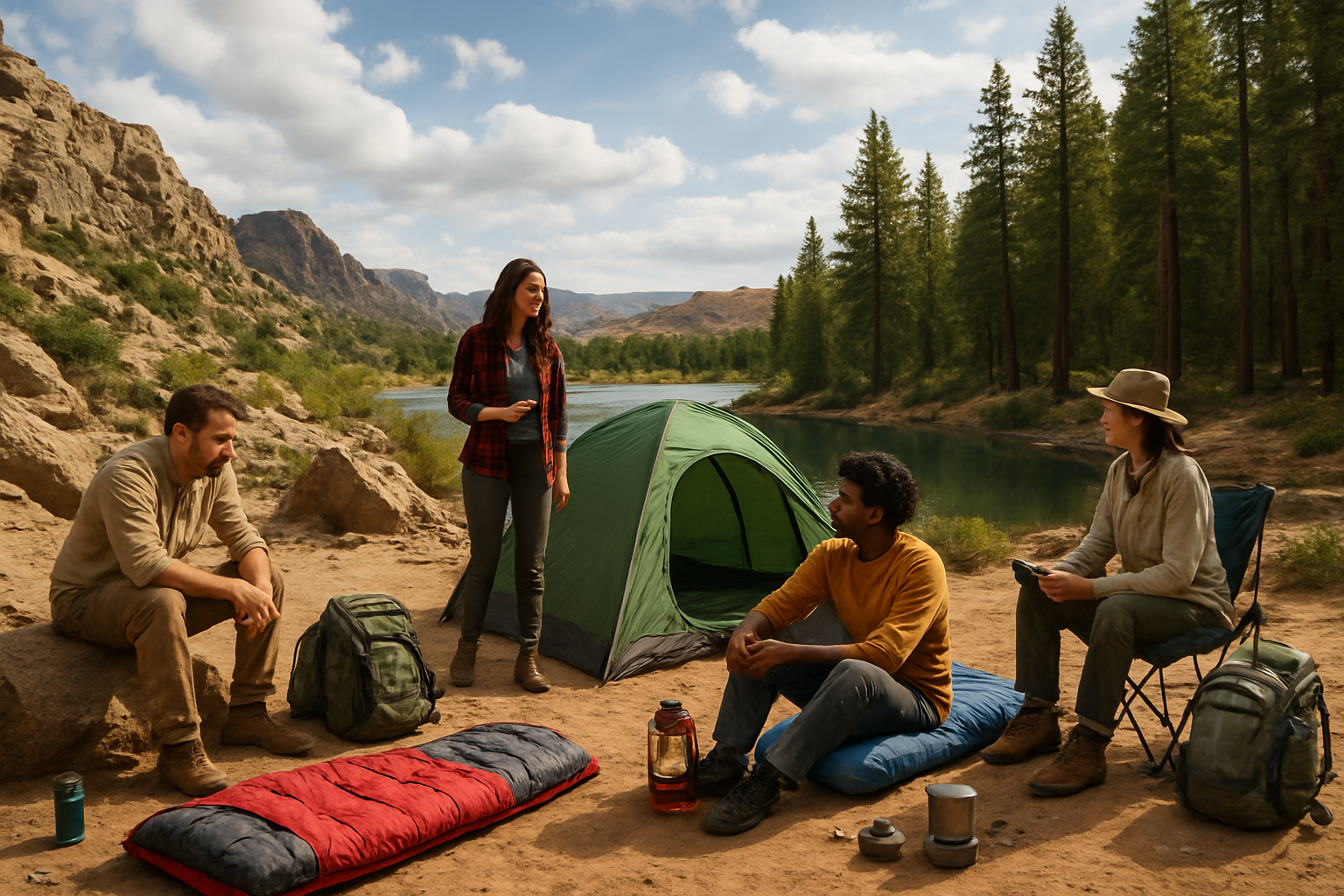
Weather conditions drastically shape your tent requirements. Spring camping brings unpredictable rain showers and mud, demanding waterproof floors and robust rain flies. Summer adventures call for excellent ventilation to prevent condensation buildup during humid nights. Fall camping means preparing for sudden temperature drops and potential snow, requiring tents with strong wind resistance and thermal efficiency. Winter camping pushes gear to its limits with heavy snow loads, freezing temperatures, and fierce winds.
Three-season tents handle spring through fall conditions but struggle in winter storms. Four-season tents tackle harsh winter weather but feel like ovens during summer heat. Convertible tents offer versatility through removable components, letting you adapt to changing conditions.
Consider regional climate patterns too. Desert camping demands UV protection and sand resistance. Coastal areas require superior wind resistance and salt-air corrosion protection. Mountain environments need alpine-rated construction to handle sudden weather changes and high winds.
Consider the number of people the tent needs to accommodate
Tent capacity ratings often mislead buyers. Manufacturers base their numbers on mathematical floor space, not real-world comfort. A “4-person” tent comfortably sleeps two adults with gear space. Three adults in a 4-person tent means cramped quarters and minimal storage.
Plan for actual sleeping arrangements and gear storage. Two people need space for sleeping pads, pillows, and personal items. Add 25-30% extra capacity if you’re claustrophobic or prefer spreading out. Families with children can pack tighter since kids occupy less space, but remember they bring extra gear.
Peak height matters for daily comfort. Tall campers need sufficient headroom for dressing and moving around. Low-profile tents save weight but force you to crawl everywhere. Vestibule space protects gear from weather and provides covered areas for cooking or relaxing during storms.
Evaluate the types of terrain you’ll be camping on
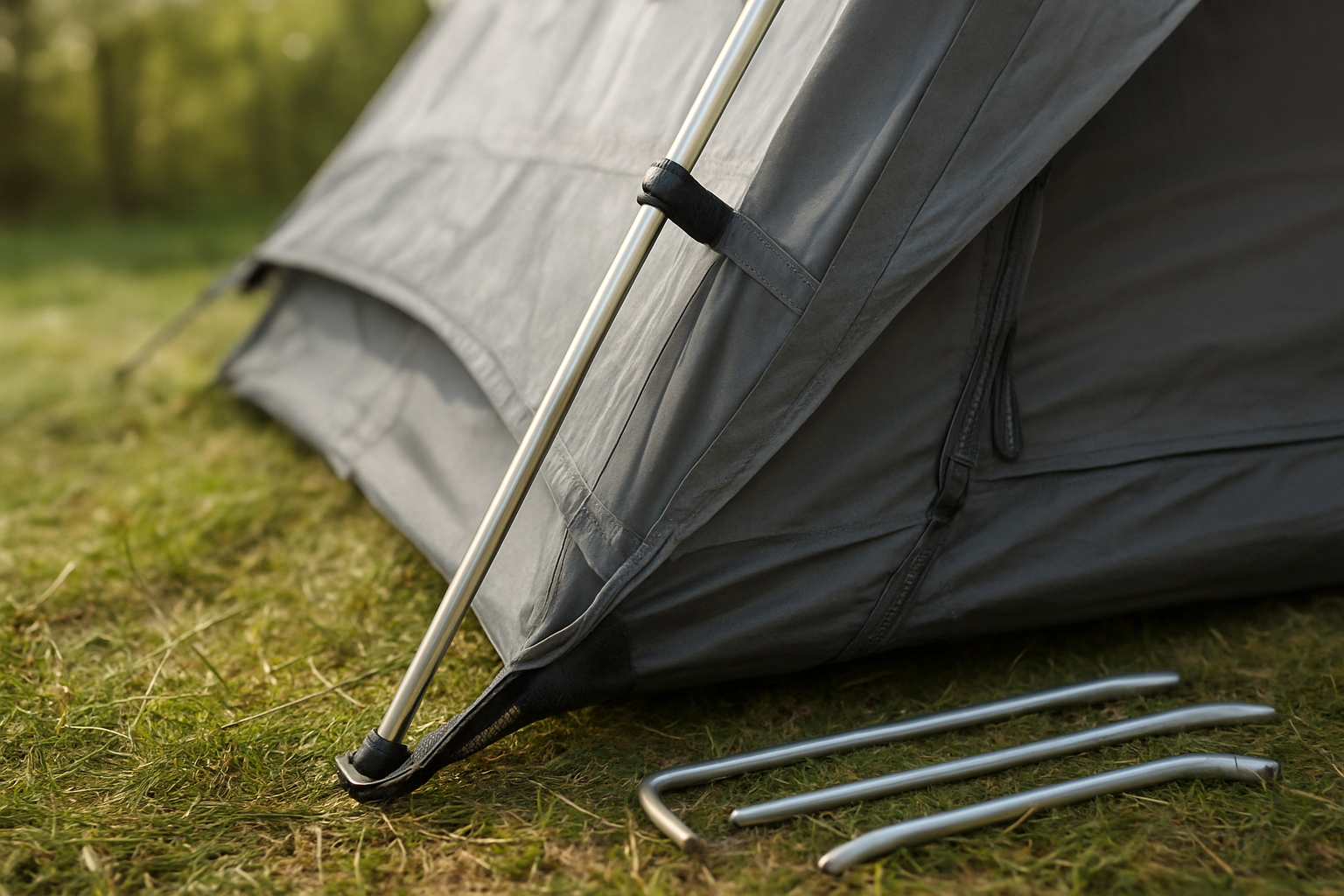
Rocky terrain demands reinforced tent floors and strong stakes that penetrate hard ground. Aluminum or titanium stakes work better than basic steel ones on rocky surfaces. Footprints become essential for protecting your tent floor from sharp rocks and extending its lifespan.
Sandy environments require specialized stakes and sand anchors. Regular stakes pull out easily from loose sand. Wide stakes or sand anchors with larger surface areas provide better holding power. Beach camping adds salt exposure concerns, requiring corrosion-resistant materials.
Soft ground like forest floors or meadows allows standard stakes but may require longer ones for secure anchoring. Root systems can complicate stake placement, so bring backup anchoring options. Sloped terrain needs careful site selection and possibly additional guy lines for stability.
Factor in your camping frequency and duration
Weekend warriors can prioritize comfort over weight since short hikes to campsites allow heavier gear. Car camping eliminates weight restrictions entirely, opening options for spacious family tents with multiple rooms and premium features.
Frequent backpackers need lightweight, durable construction that withstands regular setup and teardown. Quick-setup designs save time and energy after long hiking days. Look for color-coded components and intuitive pole systems that work even when you’re tired.
Extended expeditions demand bulletproof reliability and repairability. Remote camping means gear failures could become dangerous. Choose tents with field-repairable components and simple designs with fewer failure points. Bring repair kits including fabric patches, pole sleeves, and extra guy lines.
Multi-week adventures require easy cleaning and maintenance features. Removable floors and machine-washable components help manage hygiene during extended trips.
Understanding Essential Tent Construction Features
Learn the differences between single-wall and double-wall designs
Single-wall tents use one layer of fabric between you and the elements, while double-wall tents feature an inner tent body with a separate rainfly. This design difference dramatically affects your camping experience.
Single-wall construction keeps weight and pack size minimal, making them perfect for ultralight backpacking. The waterproof fabric eliminates condensation concerns between layers, but you’ll face more internal moisture since your breath and body heat have nowhere else to go. These tents work best in dry conditions or when weight savings matter most.
Double-wall designs excel at managing condensation through better ventilation. The inner tent typically uses breathable fabric, allowing moisture to escape, while the rainfly handles weather protection. This setup creates better temperature regulation and reduces that clammy feeling inside your tent. You get more living space too, since the rainfly often extends beyond the inner tent to create vestibules for gear storage.
Weather versatility strongly favors double-wall construction. You can pitch just the inner tent on clear nights for stargazing, or add the rainfly when storms threaten. Single-wall tents don’t offer this flexibility.
Recognize quality pole materials and their durability benefits
Tent poles determine structural integrity under wind loads and repeated setup cycles. Three materials dominate the market, each with distinct performance characteristics.
Aluminum poles, specifically 7000-series aluminum alloy, represent the gold standard for serious camping. These poles resist corrosion, handle temperature extremes without becoming brittle, and maintain flexibility under stress. Quality aluminum poles bend rather than snap when overloaded, often allowing field repairs with tape or splints. Their strength-to-weight ratio makes them ideal for backpacking applications.
Fiberglass poles appear in budget tents but bring significant limitations. They’re heavier than aluminum, prone to splintering rather than bending when stressed, and can become brittle in cold weather. However, they cost less and work fine for occasional car camping in mild conditions.
Carbon fiber poles offer the ultimate in lightweight performance but come with premium pricing. They’re incredibly strong and light, making them attractive for gram-counting backpackers. The downside? They can shatter catastrophically under extreme stress, and replacement costs are substantial.
Pre-bent poles and shock-cord systems enhance setup speed and reliability. Look for poles with thick shock cord that won’t stretch out quickly, and sleeve connections that won’t tear the fabric over time.
Identify superior fabric types for long-lasting performance
Tent fabrics face constant abuse from UV rays, moisture, abrasion, and temperature swings. Understanding fabric specifications helps you choose materials that will last seasons, not just trips.
Ripstop nylon dominates high-quality tent construction. The woven grid pattern prevents small tears from spreading into major failures. Denier ratings indicate fabric thickness – 20D works for ultralight applications while 30-40D provides better durability for general use. Higher denier fabrics resist punctures and abrasion better but add weight.
Polyester fabrics offer superior UV resistance compared to nylon, making them excellent choices for extended exposure or desert camping. They stretch less when wet and maintain color longer. The trade-off comes in weight and pack size, as polyester typically weighs more than equivalent nylon.
Coating types affect waterproofing and longevity. Polyurethane coatings provide excellent water resistance at reasonable cost but can delaminate over time, especially with UV exposure. Silicone coatings create more durable waterproofing that won’t peel or flake, though they require seam sealing with different techniques.
Look for hydrostatic head ratings above 1500mm for floor fabrics and 1000mm for walls. These numbers indicate water pressure resistance – higher ratings mean better waterproofing. Quality tents often exceed these minimums significantly, providing extra security in heavy rain.
Select the Right Tent Size and Layout
Calculate proper floor space for comfort and gear storage
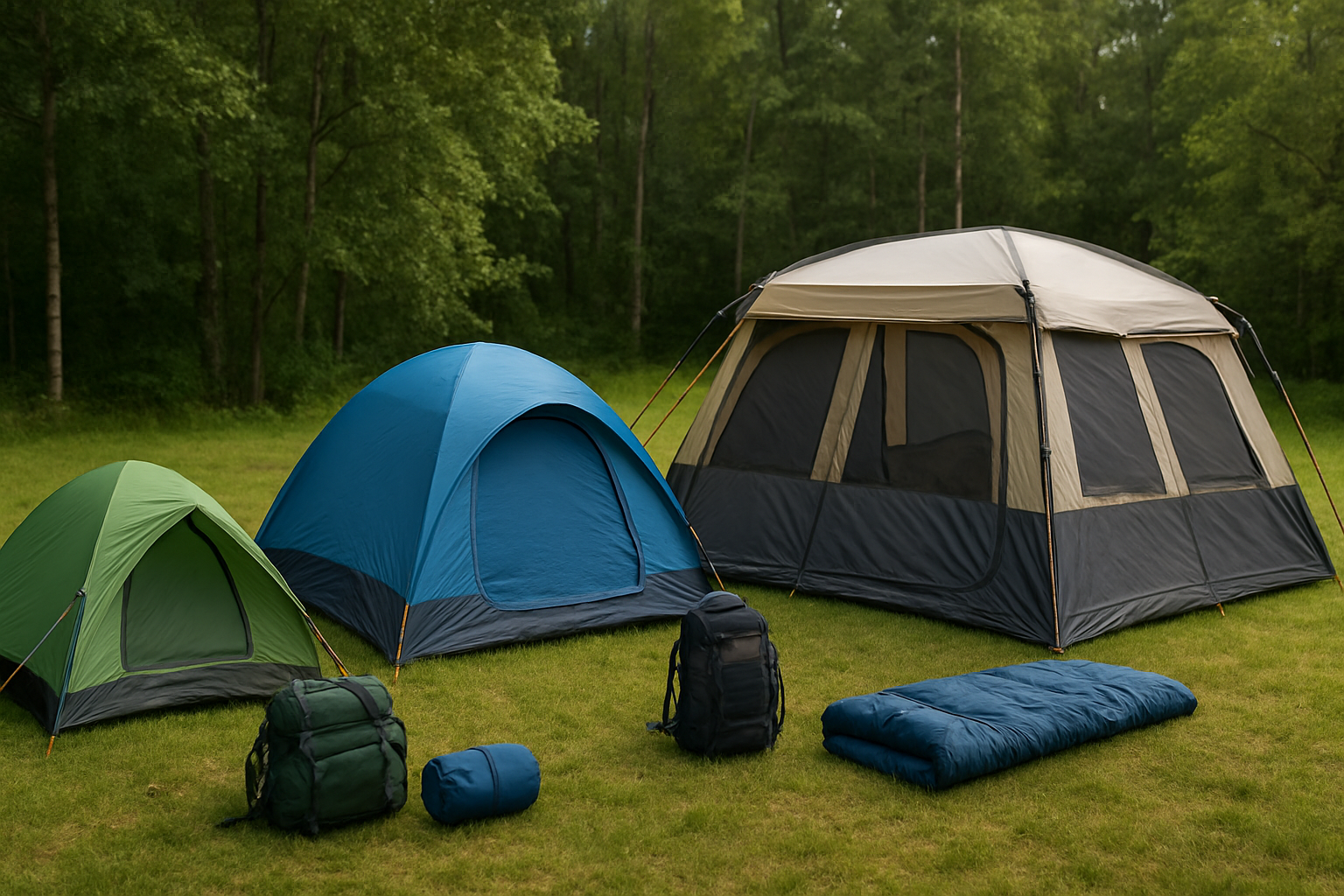
Getting the floor space right makes the difference between a comfortable night and feeling like you’re trapped in a sardine can. Start with 20-25 square feet per person for basic sleeping space, but add extra room if you’re car camping or planning extended stays. For backpacking, you can squeeze by with 15 square feet per person, though you’ll sacrifice comfort.
Think about your gear storage needs too. Sleeping bags, backpacks, clothes, and camp shoes need somewhere to go. If you’re camping in wet conditions, everything stays inside with you. A two-person tent should realistically accommodate two people plus their essential gear without everyone stepping on each other’s stuff.
Measure your sleeping pad and add 6-8 inches on each side for elbow room. If you’re a restless sleeper or prefer spreading out, bump up to the next size category. Many campers find that buying one size larger than the manufacturer’s recommendation pays off in comfort dividends.
Choose appropriate peak height for your camping style
Peak height affects your quality of life inside the tent more than you might expect. Taller tents (50+ inches) let you sit up comfortably, change clothes without contorting, and generally feel less claustrophobic. This extra height becomes crucial during bad weather when you’re stuck inside for hours.
Backpackers often accept lower profiles (40-48 inches) to save weight and improve wind resistance. These tents work fine for sleeping and quick clothing changes, but longer stays become uncomfortable. Weekend car campers should prioritize comfort and go with taller designs.
Consider your own height and camping habits. If you’re over six feet tall, low-profile tents become torture chambers. Families with kids need enough height for comfortable sitting since children spend more time playing inside the tent.
Evaluate vestibule space for equipment protection
Vestibules serve as your tent’s mudroom and gear garage. Even small vestibules (8-15 square feet) provide valuable space for boots, wet jackets, and cooking gear. Larger vestibules (20+ square feet) can house backpacks, camp chairs, and even allow for cooking during light rain.
Double-wall tents typically offer better vestibule designs than single-wall models. Look for vestibules with full-coverage rainflies and sturdy zippers. Some tents feature dual vestibules, giving each camper their own entry and gear space.
Weather conditions determine vestibule importance. Desert camping might not require much covered space, but Pacific Northwest adventures demand serious gear protection. Vestibules also provide privacy barriers at crowded campgrounds and extra living space during extended stays.
Consider interior layout features that enhance livability
Smart interior features transform basic shelter into comfortable temporary housing. Multiple doors prevent the middle-of-the-night crawl-over-your-partner routine and improve ventilation. Color-coded guy lines and pole sleeves speed setup in low light conditions.
Internal pockets and gear lofts keep small items organized and off the floor. Look for pockets placed at head level for easy access to headlamps, phones, and glasses. Gear lofts work great for clothes and light equipment but avoid overloading them.
Hub-style pole systems create more usable interior space than traditional A-frame designs. Vertical walls maximize floor space utilization, while sloped walls create dead zones where you can’t fully use the floor area. Some tents feature adjustable interior configurations, letting you customize the space for different situations.
Quality tents include thoughtful details like interior hang loops, cord management systems, and reflective guy lines for nighttime visibility.
Evaluate Weather Protection Capabilities
Understand waterproof ratings and what they mean for real-world use
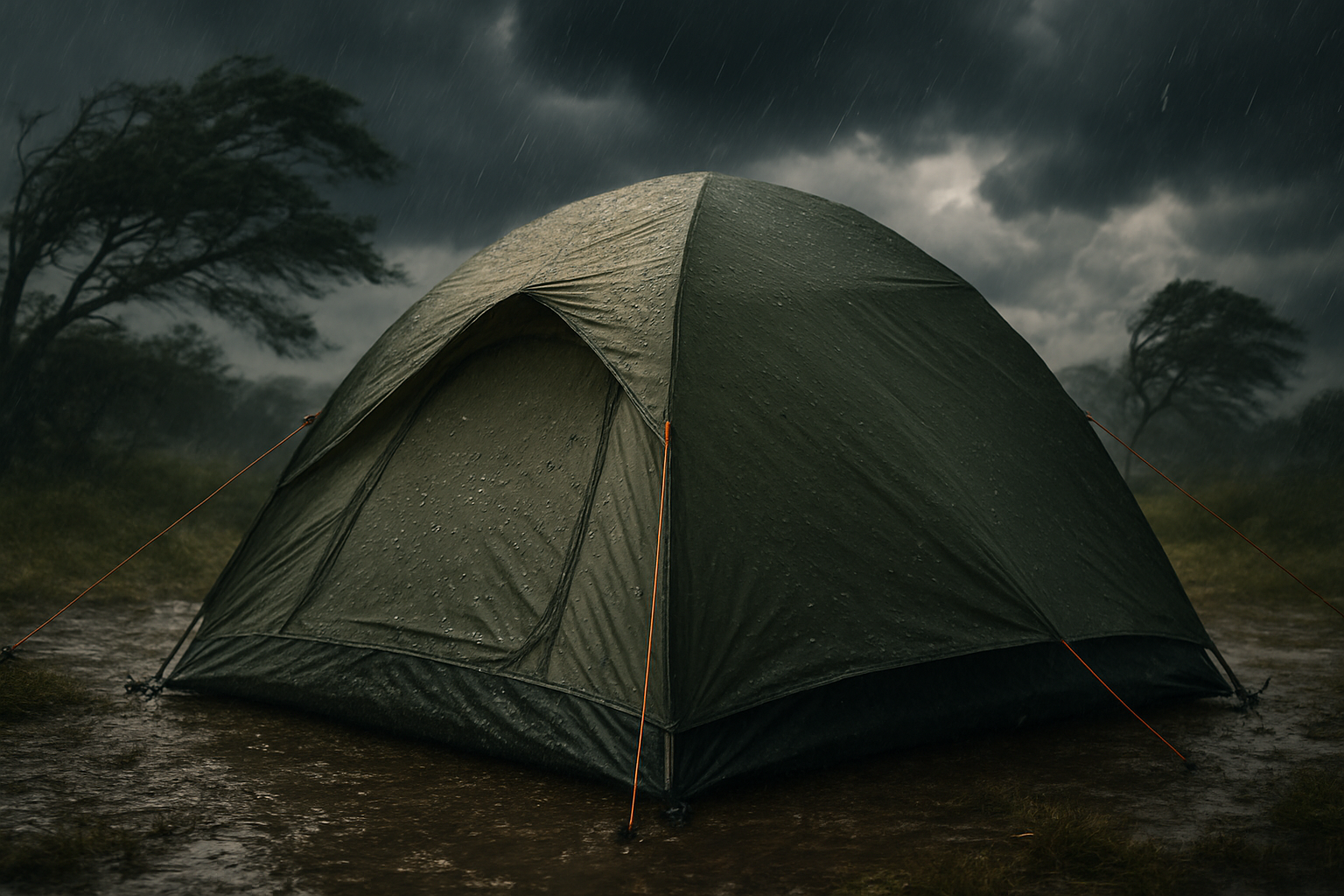
Waterproof ratings can make or break your camping experience, but the numbers on tent specifications don’t always tell the whole story. Most quality tents display hydrostatic head ratings measured in millimeters – typically ranging from 1,500mm to 10,000mm or higher. A 3,000mm rating means the fabric can withstand a 3-meter column of water before leaking through.
Here’s what these numbers actually mean in practice:
-
1,500-2,000mm: Light rain and moisture protection
-
3,000-5,000mm: Moderate to heavy rain resistance
-
5,000mm+: Heavy downpours and extended wet conditions
The catch? These ratings assume perfect conditions with new fabric. Real-world factors like seam stress, fabric wear, and temperature changes can reduce effectiveness. Pay attention to both floor and rainfly ratings – floors need higher protection since they face ground moisture and pressure from your body weight.
Seam sealing matters just as much as fabric ratings. Fully taped seams create continuous waterproof barriers, while unsealed seams become water highways straight into your tent. Check that critical stress points like corners and guy-out attachment areas receive extra attention.
Assess ventilation systems that prevent condensation buildup
Condensation kills more camping trips than rain ever will. When warm, humid air from your breathing meets cold tent walls, water droplets form and drip back down – creating a miserable, soggy mess inside your supposedly waterproof shelter.
Effective ventilation systems work by creating airflow that carries moisture away before it can condense. Look for these key ventilation features:
-
Mesh panels: Allow air circulation while keeping bugs out
-
Adjustable vents: Near the floor for intake and near the ceiling for exhaust
-
Vestibule ventilation: Prevents moisture buildup in gear storage areas
-
Double-wall construction: Creates air space between inner tent and rainfly
The best tents offer ventilation you can adjust based on conditions. Full mesh inner walls work great in summer but become useless in cold weather. Seek tents with zippered vents that let you control airflow without compromising warmth or weather protection.
Cross-ventilation makes the biggest difference. Single vents create dead air zones, while opposing vents establish airflow patterns that actively move moisture out of your sleeping space.
Look for wind resistance features and guy-out points
Wind turns lightweight tents into kites and heavyweight tents into pancakes if they’re not properly designed and deployed. Strong winds don’t just threaten to blow your tent away – they create sustained pressure that can snap poles, tear fabric, and turn your shelter into a noisy, sleep-destroying nightmare.
Aerodynamic tent shapes shed wind more effectively than boxy designs. Dome and tunnel shapes naturally deflect air around the structure, while cabin-style tents create flat surfaces that catch wind like sails. Low-profile designs stay more stable because they present smaller targets to wind forces.
Guy-out points distribute wind loads across the entire tent structure rather than concentrating stress on poles and corners. Quality tents provide:
-
Multiple guy-out loops: At least 6-8 attachment points around the tent perimeter
-
Reinforced attachment areas: Extra fabric layers prevent guy-line pullout
-
Pre-attached guy lines: Save setup time and ensure proper line lengths
-
Reflective guy lines: Prevent nighttime tripping hazards
Practice setting up guy lines before your trip. Proper tensioning creates a rigid structure that flexes with wind gusts instead of flapping violently. Slack lines allow fabric movement that generates noise and stress concentrations.
Check for UV protection to prevent fabric degradation
Ultraviolet radiation silently destroys tent fabrics every time you camp, breaking down synthetic fibers and causing colors to fade. This degradation weakens waterproof coatings and creates pinhole leaks that appear mysteriously after seasons of use.
UV-resistant fabrics include protective additives that absorb or reflect harmful rays before they can damage the base material. Ripstop nylon and polyester fabrics with UV inhibitors last significantly longer than untreated materials, especially in high-altitude or desert environments where UV exposure intensifies.
Dark-colored tents generally offer better UV protection than light colors, but they also absorb more heat. Silver-coated fabrics reflect both UV rays and heat, making them excellent choices for sunny conditions. Some premium tents feature specialized UV-blocking treatments that maintain effectiveness longer than basic coatings.
Store your tent properly between trips to minimize UV exposure. Even brief setup sessions for drying or practice can accumulate significant UV damage over time. When possible, choose campsites with natural shade during peak sun hours, and consider using a tarp for additional protection during extended stays in sunny locations.
Budget Wisely for Long-Term Value
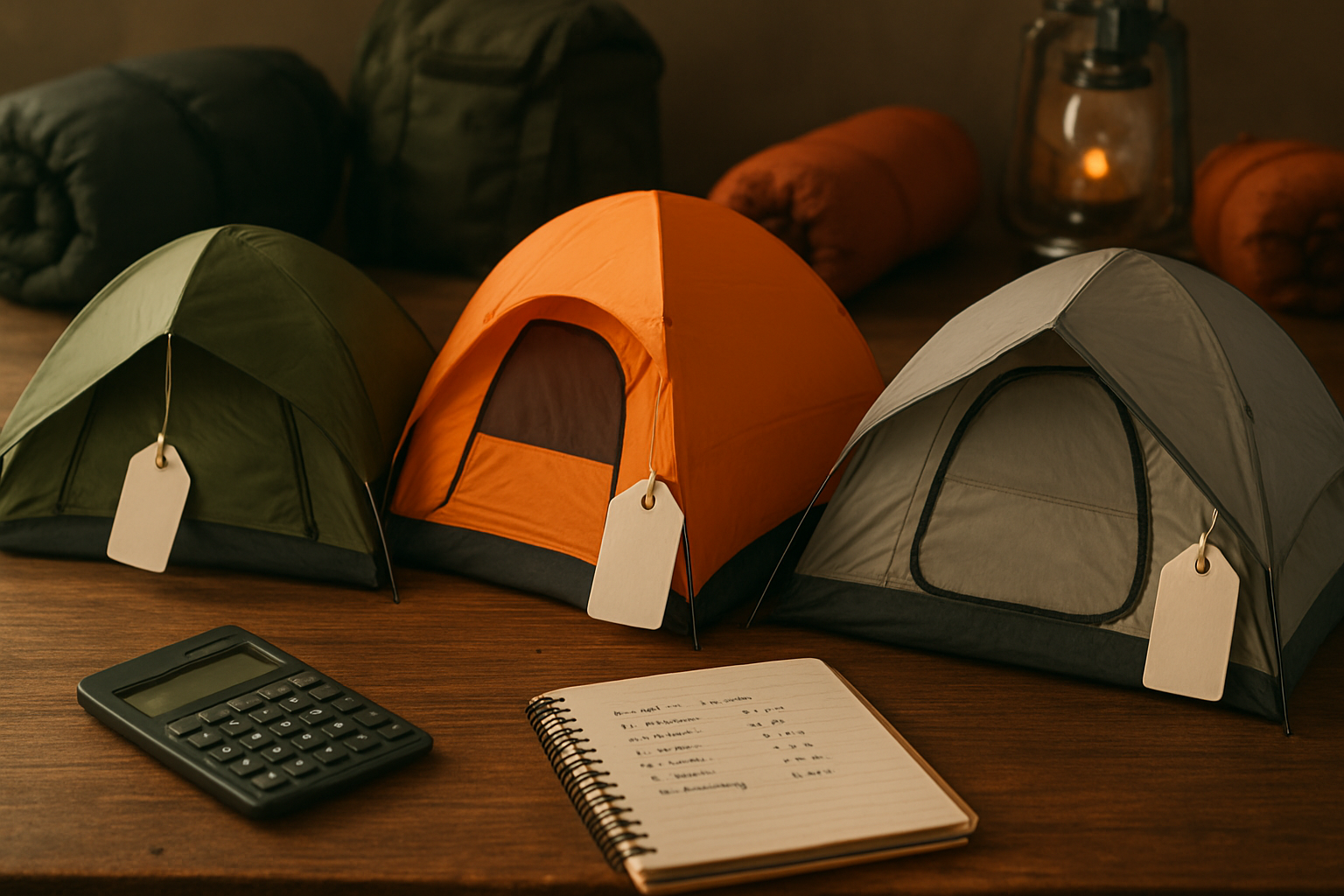
Balance upfront costs with expected lifespan and performance
Smart tent shopping means thinking beyond the price tag. A $300 tent that lasts eight years of regular camping costs you $37.50 per year. Compare that to a $100 tent that needs replacing after two seasons, and you’re spending $50 annually. The math becomes even more compelling when you factor in hassle and disappointment.
Quality tents offer measurable advantages that translate into real value. Premium materials resist UV degradation, maintain waterproofing longer, and handle temperature extremes without becoming brittle. Better zippers rarely jam or break, while reinforced stress points prevent catastrophic tears that can end a trip early.
Consider your camping frequency when calculating value. Weekend warriors who camp 5-10 times annually can justify higher upfront costs because they’ll see thousands of hours of use. Occasional campers might find excellent value in mid-range options that still offer durability without premium pricing.
Identify which premium features justify higher prices
Not all expensive features deliver proportional value. Focus your budget on elements that directly impact your camping experience and safety.
Premium features worth the investment:
-
Advanced fabric coatings: Silicone-treated nylons last longer than basic polyurethane
-
Full-coverage rainflies: Complete protection beats partial coverage every time
-
Color-coded components: Saves setup time and reduces mistakes in challenging conditions
-
Vestibule space: Protected gear storage prevents moisture damage and theft
-
Internal organization: Built-in pockets and gear lofts keep essentials accessible
Features that rarely justify premium pricing:
-
Excessive guy-line attachment points beyond what you’ll actually use
-
Ultra-lightweight materials when you’re car camping
-
Complex pole systems that offer minimal space gains
-
Integrated LED lighting systems that add weight and failure points
Recognize when budget options can meet your specific needs
Budget tents excel in specific scenarios where their limitations don’t matter. Car campers who prioritize space over weight can find excellent value in affordable family tents. Fair-weather campers in mild climates rarely need the weather protection that drives premium pricing.
Entry-level tents work perfectly for testing your camping commitment before investing heavily. Many budget options use the same basic designs as premium models, just with heavier materials and simpler features. You’ll get functional shelter without paying for performance you might not need.
Budget-friendly scenarios:
-
Established campgrounds with nearby facilities
-
Predictable weather conditions
-
Short trips where gear failure isn’t catastrophic
-
Youth camping programs where rough handling is expected
-
Backup/loaner tents for guests
Factor in warranty coverage and brand reputation
Warranty terms reveal manufacturer confidence in their products. Companies offering 3-5 year warranties typically build tents that last, while 30-day coverage suggests expect problems. Read warranty fine print carefully – some cover manufacturing defects but exclude normal wear, while others offer repair services for reasonable fees.
Established brands maintain reputations through consistent quality and customer service. They also stock replacement parts longer and offer repair guidance when issues arise. Lesser-known manufacturers might offer attractive pricing but disappear when you need support.
Brand reputation indicators:
-
Active customer service departments with real people
-
Readily available replacement parts and repair instructions
-
Consistent product reviews across multiple retail platforms
-
Long-term presence in outdoor retail markets
-
Transparent manufacturing information and material specifications
Research common failure points for specific models through user forums and long-term reviews. A tent with known zipper issues might still offer good value if replacement zippers cost $15 and installation is straightforward.

Finding the right camping tent comes down to matching your specific needs with the right features. Start by thinking about where you’ll camp most often and what weather conditions you’ll face. Look for quality construction details like reinforced seams, durable fabrics, and reliable zippers. Make sure the tent size gives you enough space without being too heavy to carry, and don’t forget about weather protection features like waterproof ratings and wind resistance.
Smart tent shopping means investing in quality hardware and setup components that will last through many adventures. While it’s tempting to go for the cheapest option, spending a bit more upfront on a well-built tent saves money and frustration in the long run. Take time to research brands, read reviews from actual campers, and consider visiting an outdoor gear store to see tents in person. Your future self will thank you when you’re staying dry and comfortable instead of dealing with a failed tent in the middle of nowhere.