What to Do If You Get Injured While Camping: A Step-by-Step Guide
Camping injuries happen when you least expect them, and knowing how to respond can make the difference between a minor setback and a serious emergency. This step-by-step guide is designed for outdoor enthusiasts, families, and anyone planning a camping trip who wants to be prepared for medical situations in remote locations.
When you get injured while camping, you’re often far from hospitals and professional help. Quick thinking and proper response become your best tools for managing the situation safely.
We’ll walk you through how to assess injury severity using simple techniques that work without medical training. You’ll also learn how to provide effective first aid with basic camping supplies and recognize when an injury requires immediate evacuation to professional medical care.
Check for life-threatening conditions requiring emergency evacuation
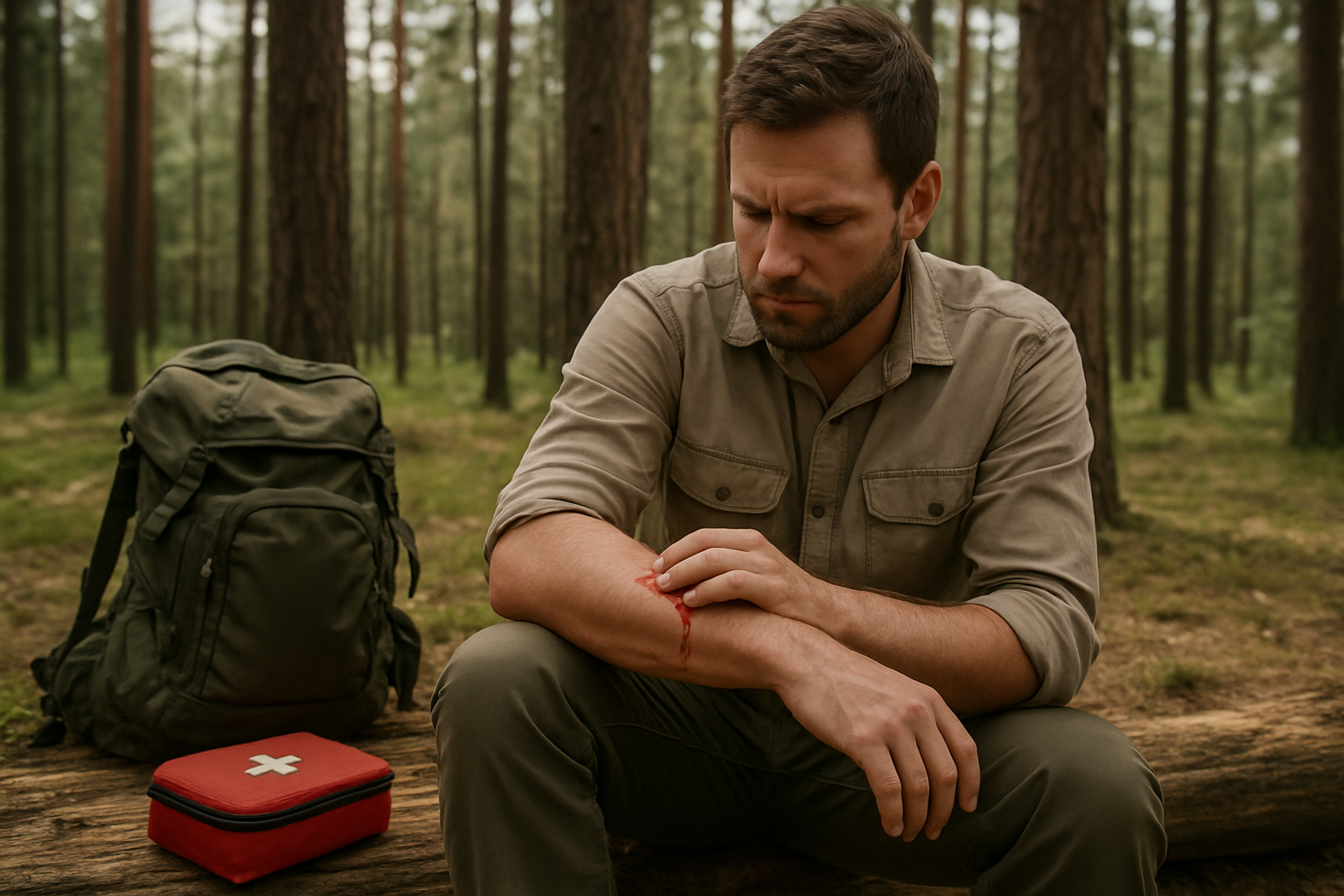
When an injury happens in the wilderness, your first priority is identifying conditions that could become deadly within minutes or hours. Start by checking if the person is conscious and breathing normally. Look for severe bleeding that won’t stop with direct pressure, signs of shock like cold and clammy skin, or breathing difficulties.
Head injuries demand immediate attention, especially if the person shows confusion, repeated vomiting, or loss of consciousness. Chest injuries that affect breathing, severe abdominal pain, or suspected spinal injuries also require emergency evacuation. If you’re dealing with hypothermia or heatstroke, these conditions can deteriorate rapidly without proper medical intervention.
Critical warning signs that require immediate evacuation:
-
Unconsciousness or altered mental state
-
Difficulty breathing or chest pain
-
Severe bleeding that won’t clot
-
Signs of internal injuries
-
Suspected spinal cord damage
-
Severe allergic reactions
Evaluate bleeding, broken bones, and head injuries
Bleeding assessment starts with determining whether it’s arterial (bright red, spurting), venous (dark red, flowing), or capillary (slow oozing). Arterial bleeding needs immediate pressure and elevation if possible. Don’t remove objects that might be embedded in wounds, as they could be preventing worse bleeding.
For suspected fractures, look for obvious deformity, inability to bear weight, or severe pain when moving the area. Check circulation below the injury site by pressing on fingernails or toenails to see if color returns quickly. Numbness or tingling could indicate nerve damage.
Head injuries require careful observation since symptoms can appear hours later. Watch for changes in pupil size, persistent headaches, nausea, or personality changes. Even seemingly minor head bumps can cause concussions, so monitor the person closely for at least 24 hours.
Fracture evaluation checklist:
-
Compare injured limb to uninjured side
-
Test sensation and movement below injury
-
Check for swelling and bruising patterns
-
Assess ability to bear weight
-
Look for bone protruding through skin
Document symptoms and pain levels for proper treatment
Creating an accurate record of symptoms helps medical professionals provide better treatment and helps you track whether the condition is improving or worsening. Use a pain scale from 1-10 and write down exactly what the injured person describes.
Note the time of injury, what activity caused it, and any immediate symptoms. Record vital signs if you know how to take them – pulse, breathing rate, and skin color. Take photos of visible injuries if possible, as swelling and bruising change over time.
Essential documentation includes:
-
Time and cause of injury
-
Initial pain level and location
-
Visible symptoms (swelling, deformity, bleeding)
-
Changes in symptoms over time
-
Any treatments already applied
-
Allergies or medical conditions
Determine if you can continue camping or need to leave
This decision depends on several factors: the severity of injury, your distance from medical help, weather conditions, and the injured person’s ability to participate in camping activities. Minor cuts, sprains, or bruises might allow you to continue with modifications to your plans.
Consider your group’s experience level and available supplies. A twisted ankle might be manageable for experienced campers with proper first aid gear, but could be dangerous for novices without adequate supplies. Weather plays a huge role – mild injuries become serious when combined with cold, wet conditions.
Think about evacuation routes and communication options. If you’re several days’ hike from the nearest road and don’t have satellite communication, even moderate injuries might require leaving immediately. Cell phone coverage, proximity to other campers, and time of day all affect your decision.
Factors favoring evacuation:
-
Injury affects mobility significantly
-
Poor weather conditions expected
-
Limited first aid supplies available
-
Long distance from medical help
-
Injured person has underlying health conditions
Make conservative decisions when in doubt. Wilderness injuries often worsen without proper medical care, and what seems manageable initially can become dangerous as fatigue and exposure take their toll.
Provide Essential First Aid Using Your Camping Supplies
Clean and disinfect wounds to prevent infection
When blood starts flowing from a cut or scrape in the wilderness, your first instinct might be to grab whatever’s closest. Hold that thought. The wrong approach here can turn a minor wound into a serious infection that ruins your entire trip and potentially threatens your health.
Start by washing your hands thoroughly with soap and water, or use hand sanitizer if water is scarce. This step matters more than you might think – dirty hands transfer bacteria directly into open wounds. If you’re dealing with heavy bleeding, apply direct pressure first with a clean cloth or bandana to control blood flow before moving to cleaning.
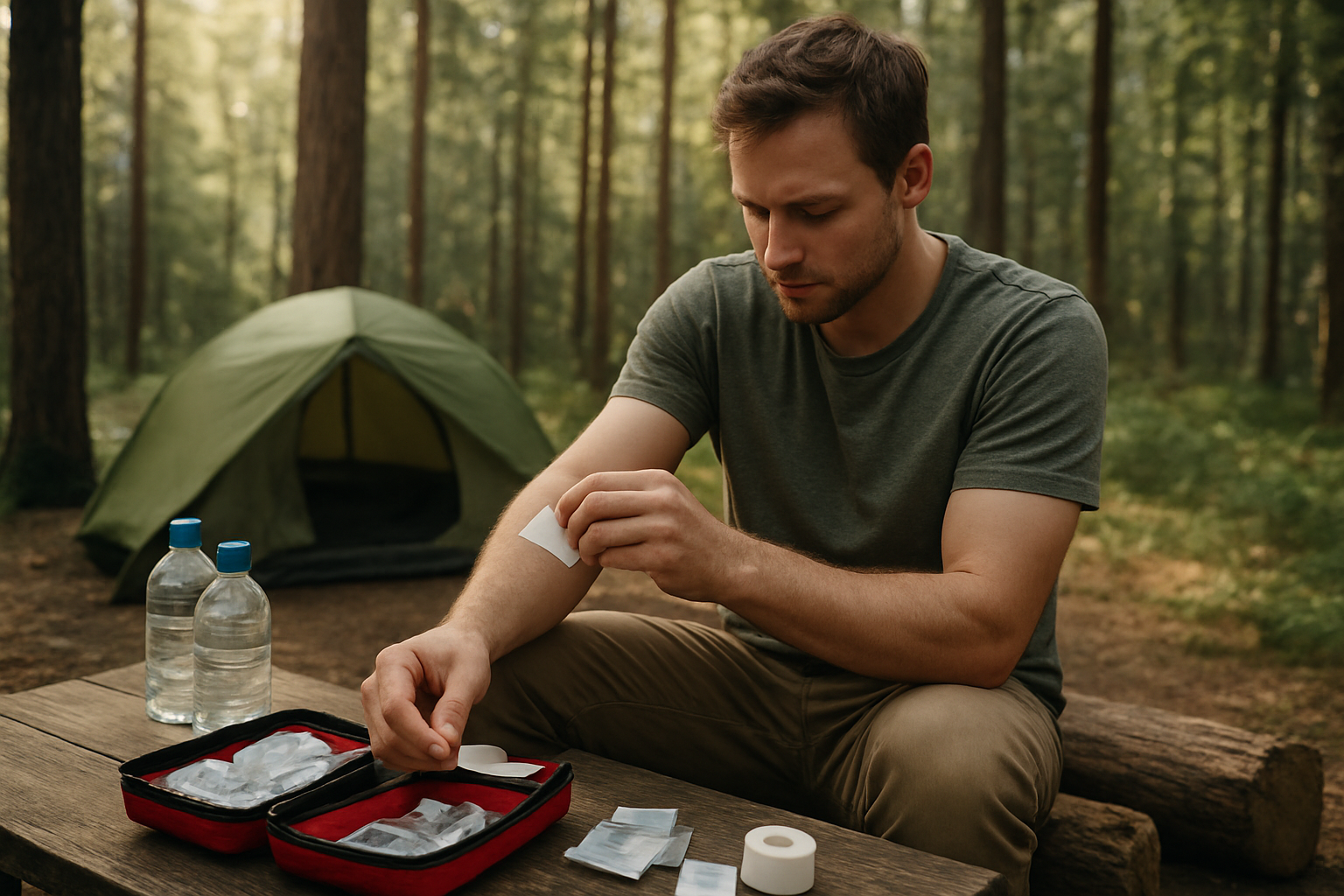
For cleaning the wound itself, clean water works as your primary tool. Bottled water beats stream water every time, even if that creek looks crystal clear. Rinse the wound gently but thoroughly, letting water flow over the area to remove dirt, debris, and bacteria. If you packed antiseptic wipes or iodine solution, now’s the time to use them. Apply the antiseptic around the wound edges first, then work inward toward the center.
Don’t scrub aggressively – gentle cleaning prevents additional tissue damage while still removing contaminants. Pat the area dry with a clean cloth or sterile gauze pad. Hydrogen peroxide can help with deeper cleaning, but use it sparingly since it can actually slow healing when overused.
Apply proper bandaging techniques with available materials
Your camping first aid kit should include sterile gauze pads, medical tape, and elastic bandages, but wilderness situations sometimes demand creative solutions. A clean cotton t-shirt can substitute for gauze in emergencies, and duct tape works surprisingly well as medical tape when applied over gauze rather than directly on skin.
Start with a sterile gauze pad that covers the entire wound with about an inch of overlap on all sides. Place the gauze gently – don’t press down hard enough to restart bleeding. Secure the gauze with medical tape, creating an “X” pattern across the bandage for better adhesion. The tape should stick to healthy skin around the wound, not to the gauze itself.
For wounds on joints or areas that bend frequently, use extra tape in a crisscross pattern to prevent the bandage from shifting during movement. Check circulation below the bandage by pressing on skin or nails and watching for color return – if it takes more than two seconds, loosen the bandage slightly.
Change bandages daily or whenever they become wet, dirty, or loose. This means packing extra supplies for multi-day trips. Keep the wound dry and check for signs of infection like increased redness, warmth, swelling, or pus.
Immobilize suspected fractures using improvised splints
A suspected fracture in the backcountry requires immediate immobilization to prevent further damage. Don’t try to straighten bent limbs or push bones back into position – your job is simply to keep everything still until professional help arrives.
Look for rigid materials around your campsite: tent poles, hiking poles, straight branches, or even a rolled-up magazine can work as splinting materials. The splint needs to be long enough to extend past the joints above and below the suspected fracture. For a forearm fracture, your splint should reach from the hand to above the elbow.
Pad the splint with clothing, towels, or sleeping bag material to prevent direct contact between rigid materials and skin. This padding also fills gaps and provides more comfortable support. Secure the splint with whatever you have available – rope, bandanas, strips of clothing, or elastic bandages work well.
Tie the splint in at least three places: above the fracture, below the fracture, and at both ends of the splint. Make the ties snug enough to prevent movement but not so tight that they cut off circulation. Check fingers or toes regularly for warmth, color, and sensation.
Manage pain and shock while awaiting further help
Pain management in the wilderness goes beyond just comfort – severe pain can lead to shock, which becomes a medical emergency itself. Over-the-counter pain relievers like ibuprofen or acetaminophen provide your first line of defense. Follow dosing instructions carefully and note any allergies.
Cold therapy helps with both pain and swelling. Use ice packs from your cooler, or create improvised cold packs by filling a plastic bag with cold stream water. Apply cold for 15-20 minutes at a time with breaks in between to prevent tissue damage.
Watch for signs of shock: pale, cool, clammy skin; rapid, weak pulse; shallow breathing; confusion; or extreme thirst. Keep the injured person lying down with legs elevated if possible. Cover them with blankets or extra clothing to maintain body temperature, but avoid overheating.
Keep the person calm and talking. Anxiety makes pain worse and can accelerate shock. Offer small sips of water if they’re conscious and not vomiting, but avoid giving food. Stay with them constantly and reassure them that help is coming.
Monitor vital signs if you know how – pulse rate, breathing rate, and responsiveness levels. Write down any changes you notice along with the time. This information helps medical professionals when they arrive.
Decide When to Seek Professional Medical Attention
Recognize Emergency Situations Requiring Immediate Evacuation
Knowing the difference between a minor injury and a life-threatening emergency can mean the difference between a successful rescue and a tragedy. Some situations demand immediate professional medical intervention, regardless of how prepared your first aid kit might be.
Head injuries top the list of camping emergencies that require immediate evacuation. Any blow to the head that results in loss of consciousness, confusion, repeated vomiting, or severe headaches needs urgent medical attention. Signs like dilated pupils, slurred speech, or memory loss signal potential brain injury that’s beyond camping first aid capabilities.
Severe allergic reactions, known as anaphylaxis, develop rapidly and can be fatal within minutes. Watch for difficulty breathing, swelling of the face or throat, rapid pulse, dizziness, or widespread hives. Even if someone carries an EpiPen and uses it, they still need immediate hospital care since the effects wear off.
Chest pain or difficulty breathing always warrants emergency evacuation. While these symptoms might seem obvious, many people dismiss chest discomfort as heartburn or overexertion. Heart attacks don’t discriminate based on age or fitness level, and altitude changes can trigger cardiac events in people with underlying conditions.
Deep cuts that won’t stop bleeding after 15 minutes of direct pressure, wounds that expose bone or tendons, or injuries with severe crushing damage require surgical intervention. Similarly, suspected spinal injuries from falls or accidents need professional stabilization before any movement occurs.
Signs of severe dehydration or heat stroke include altered mental state, hot and dry skin, rapid heartbeat, and body temperature above 103°F. These conditions can escalate quickly and require IV fluids and controlled cooling that’s impossible to achieve in wilderness settings.
Contact Park Rangers or Emergency Services When Available
Park rangers serve as your first line of professional help in most camping situations. They’re trained in wilderness first aid, familiar with local terrain and weather patterns, and equipped with communication tools and rescue equipment. Many rangers also have EMT or paramedic training, making them valuable allies during medical emergencies.
Before heading into any camping area, locate the nearest ranger station and note their hours of operation. Many stations close at sunset, but emergency contact numbers are typically posted prominently. Some parks have 24-hour dispatch services that can coordinate rescues even when rangers aren’t physically present at their stations.
When calling for help, provide clear, specific information about your location. GPS coordinates work best, but if those aren’t available, describe your position relative to marked trails, campgrounds, or notable landmarks. Rangers know their territories intimately and can often pinpoint your location with surprisingly little information.
Describe the injured person’s condition using simple, factual terms rather than medical jargon. State the mechanism of injury (how it happened), current symptoms, and any changes in the person’s condition since the injury occurred. This information helps rangers determine the appropriate level of response, from a simple hike-out assistance to helicopter evacuation.
Use Satellite Communication Devices for Remote Area Emergencies
Cell phone coverage disappears quickly in remote camping areas, making satellite communication devices essential safety equipment for wilderness adventures. These devices can literally save lives when traditional communication methods fail.
Personal Locator Beacons (PLBs) represent the most reliable emergency communication option. When activated, they transmit your exact GPS coordinates to rescue coordination centers worldwide. PLBs work anywhere on Earth with clear sky access and have batteries that last for years. However, they’re one-way communication devices – you can send a distress signal but can’t receive updates or communicate details about your situation.
Satellite messengers like Garmin inReach or SPOT devices offer two-way communication capabilities. You can send preset emergency messages, custom text messages to emergency contacts, and receive replies. These devices often include weather forecasts and navigation features, making them valuable throughout your trip, not just during emergencies.
Satellite phones provide full voice communication but come with significant drawbacks for most campers. They’re expensive to purchase and operate, require larger antennas, and work best when you’re stationary with a clear view of the sky. For most camping situations, a satellite messenger provides better value and reliability.
When using any satellite device, position yourself in an open area with the clearest possible view of the sky. Dense forest canopy, deep canyons, or overhanging rock formations can block satellite signals. Even a few minutes in an exposed location might be enough to send your emergency message successfully.
Test your satellite device before departing and ensure all emergency contacts have current information. Program important numbers and messages in advance rather than trying to type detailed explanations during an actual emergency. Keep backup batteries charged and protected from moisture, as these devices become useless when their power fails.
Safely Transport an Injured Camper to Safety
Create Improvised Stretchers Using Camping Gear
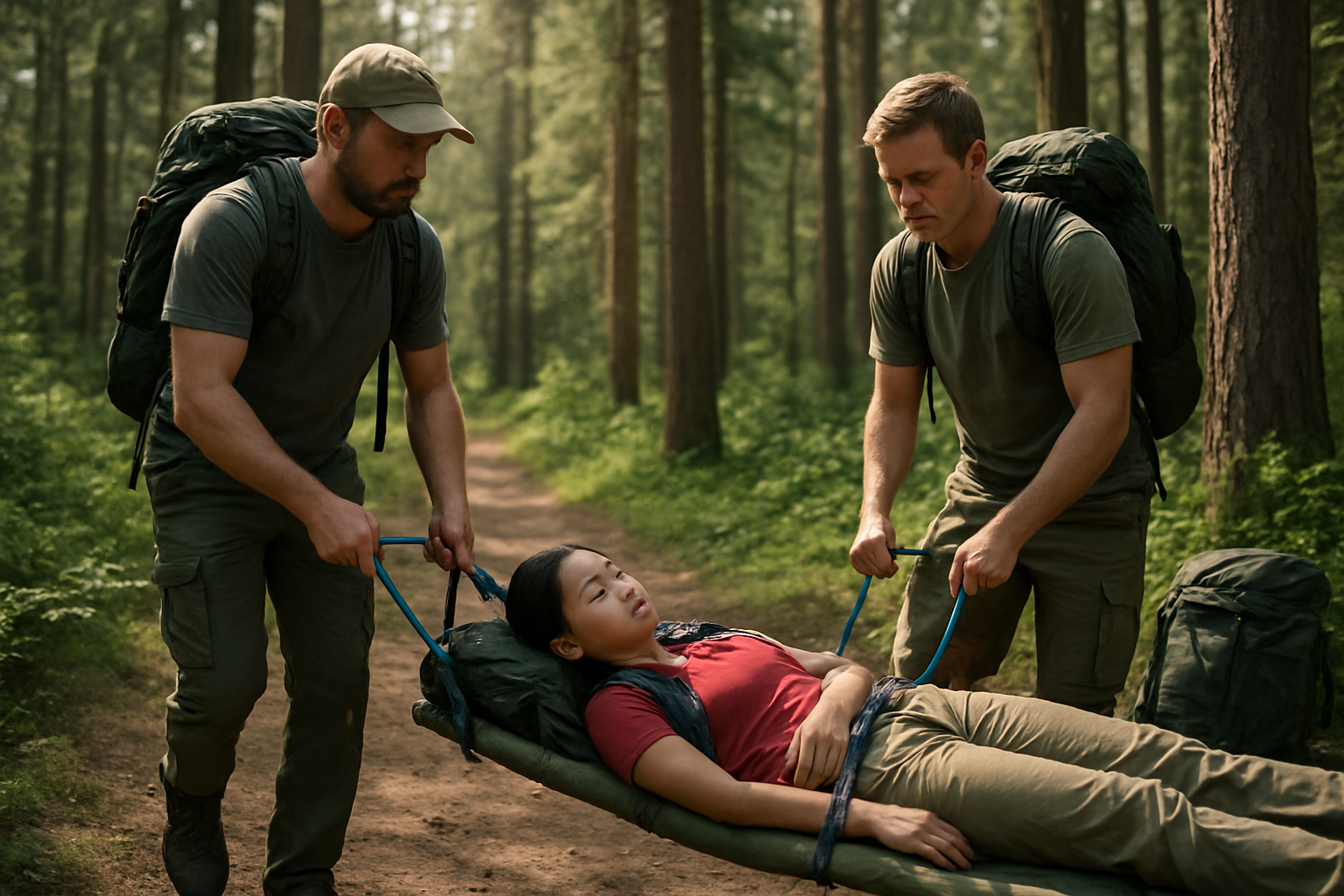
When an injured camper can’t walk, you’ll need to get creative with your available equipment. The most effective improvised stretcher combines two sturdy poles with a fabric surface that can support body weight without tearing.
Start by gathering two straight branches or trekking poles as your main support beams – they should be at least six feet long and thick enough to handle significant weight. If you’re using branches, remove any protruding twigs or rough bark that could snag fabric or injure the person being transported.
For the stretcher surface, your best options include:
-
Sleeping bags: Zip two bags together and thread the poles through the zipped seam
-
Tarps or rain flies: Fold the material in half and wrap it around each pole, securing with rope or carabiners
-
Jackets or shirts: Button or zip multiple garments together, threading sleeves around the poles
-
Emergency blankets: These work well for lightweight injuries but may tear under heavy loads
Testing Your Stretcher
Before placing an injured person on your makeshift stretcher, test its strength with a backpack or similar weight. Check all connection points and ensure the fabric won’t slip along the poles during movement. Add extra securing points with paracord or bungee cords if needed.
Plan the Safest Evacuation Route From Your Campsite
Scouting your exit strategy before an emergency strikes makes all the difference. Study your surroundings and identify multiple potential routes to the nearest road or medical facility.
Route Assessment Checklist:
-
Terrain difficulty and obstacles
-
Distance to your vehicle or help
-
Cell phone coverage areas
-
Weather-related hazards
-
Stream crossings or cliff edges
Choose the path with the most stable footing and fewest elevation changes. A longer route on level ground beats a shorter one with steep drops or loose rocks. Mark potential rest stops every 100-200 yards – carrying an injured person is exhausting work.
Water crossings present special challenges. Shallow streams with rocky bottoms work better than deep or fast-moving water. If you must cross water, have your strongest carriers go first to test depth and current strength.
Coordinate With Multiple People for Safe Carrying Techniques
Moving an injured person safely requires at least four people when using a stretcher – one at each corner. Designate a team leader to call out directions and coordinate movements.
The Four-Person Carry:
-
Head carrier: Controls direction and pace, watches for obstacles ahead
-
Foot carrier: Mirrors the head carrier’s movements, maintains rear stability
-
Side carriers: Provide stability and help navigate around obstacles
Before lifting, everyone should grab their corner and lift together on a three-count. Keep the stretcher as level as possible – the person at the injured individual’s head should move slightly slower when going downhill, while the foot carrier leads uphill movements.
Communication During Transport:
-
Use clear, simple commands: “Stop,” “Step left,” “Rest”
-
Rotate carriers every 10-15 minutes to prevent fatigue
-
Check in with the injured person frequently about pain levels
Protect the Injured Person During Transport
The person you’re carrying faces additional risks during evacuation. Hypothermia, shock, and worsening injuries top the list of concerns you can actively prevent.
Temperature Management:
Keep them warm with extra layers, but avoid overheating if they’re conscious and alert. Place insulation between their body and the stretcher – sleeping pads work perfectly for this. Cover them with a rain jacket or tarp if weather threatens.
Stabilizing Injuries:
Secure any splints or bandages before transport – movement will test every first aid measure you’ve applied. Use additional clothing or gear to pad around injury sites and prevent shifting during carry.
Monitoring During Transport:
-
Check breathing and consciousness every few minutes
-
Watch for signs of shock: pale skin, rapid pulse, confusion
-
Stop immediately if their condition worsens
-
Keep them talking if they’re conscious – it helps monitor their mental state
Position their airway properly throughout the journey. If they’re unconscious, slightly elevate their head and turn it to one side to prevent choking. For spinal injuries, immobilize the head and neck with rolled towels or extra clothing.
Prevent Common Camping Injuries Before They Happen
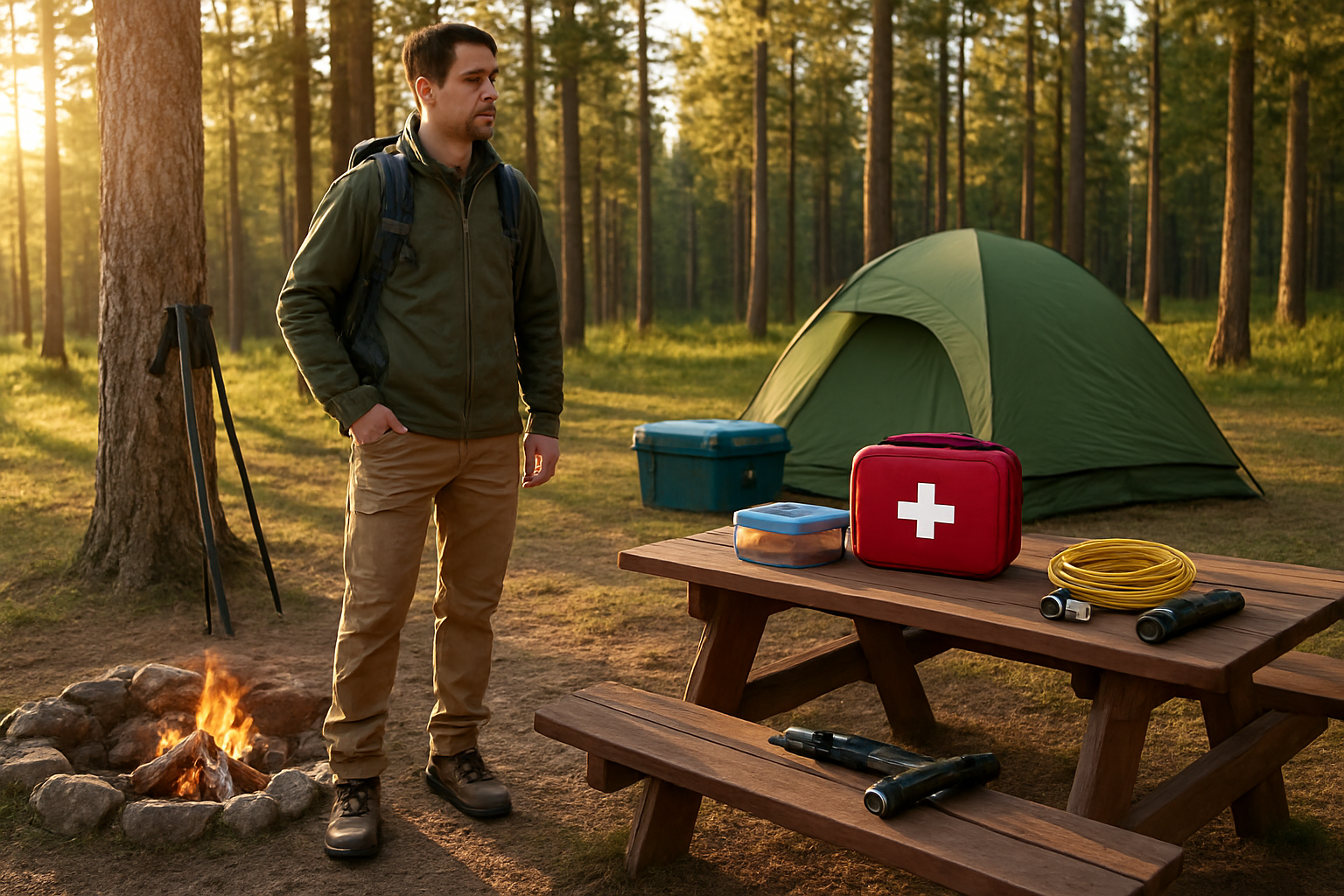
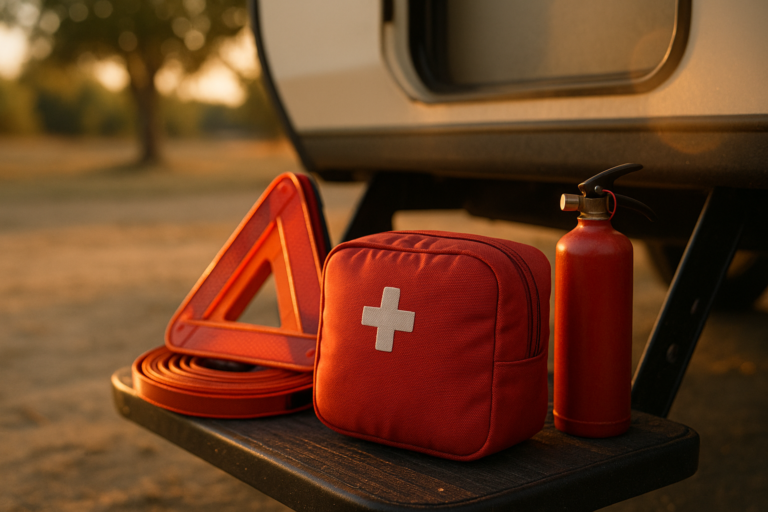
Pack a comprehensive first aid kit for wilderness emergencies
Your standard home first aid kit won’t cut it in the wilderness. Remote camping locations require specialized supplies that can handle everything from minor cuts to serious injuries when professional help is hours away.
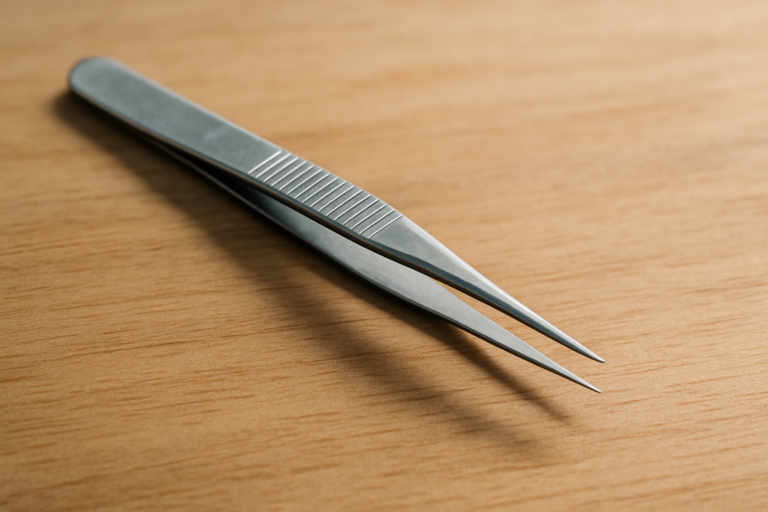
Start with the basics: sterile gauze pads, medical tape, antiseptic wipes, and adhesive bandages in various sizes. Add triangle bandages for sprains and slings, elastic bandages for compression, and instant cold packs for swelling. Include tweezers for splinter removal, scissors for cutting tape and bandages, and disposable gloves to prevent infection.
For medication, pack pain relievers like ibuprofen and acetaminophen, antihistamines for allergic reactions, and anti-diarrheal medication. Include any personal prescription medications plus extras in case your trip extends unexpectedly. Topical antibiotic ointment helps prevent wound infections, while hydrocortisone cream treats rashes and insect bites.
Wilderness-specific items make the difference between managing an injury and facing a crisis. Emergency blankets retain body heat during shock or hypothermia. A whistle signals for help when you can’t shout. Duct tape repairs gear and can even splint fractures in emergencies. Water purification tablets prevent waterborne illnesses if your regular filtration fails.
Consider adding a SAM splint for broken bones, butterfly closures for deep cuts, and irrigation syringes for cleaning wounds. A thermometer helps monitor fever, while emergency medications like epinephrine auto-injectors could save lives for those with severe allergies.
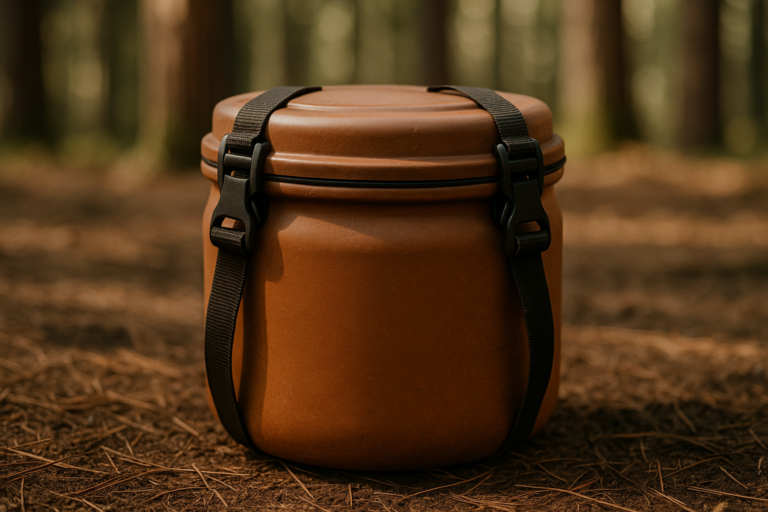
Store everything in a waterproof container with clear labels. Create a simple inventory list and check expiration dates before each trip. Practice accessing supplies quickly – you don’t want to fumble through your kit during an actual emergency.
Learn basic wilderness first aid skills before your trip
Having supplies means nothing without knowing how to use them effectively. Wilderness first aid differs significantly from urban first aid because you’re managing injuries for extended periods without immediate medical backup.
Take a wilderness first aid course from organizations like the American Red Cross, NOLS Wilderness Medicine, or Wilderness Medical Associates. These courses teach you to assess injuries systematically, prioritize multiple casualties, and make critical decisions about evacuation timing.
Focus on learning the SOAP method (Subjective, Objective, Assessment, Plan) for documenting injuries. This systematic approach helps you gather important information about symptoms, observe physical signs, assess the situation’s severity, and create an action plan. Emergency responders will need this information when you reach civilization.
Practice hands-on skills like wound cleaning and dressing, splinting fractures, and treating shock. Learn to recognize serious conditions like internal bleeding, spinal injuries, and severe allergic reactions. Understanding when someone needs immediate evacuation versus when they can continue with modified activities could prevent minor injuries from becoming major emergencies.
Study common camping injuries and their treatments. Cuts from camp knives, burns from campfires, twisted ankles on uneven terrain, and dehydration top the list. Know how to treat hypothermia, heat exhaustion, and altitude sickness if you’re camping in extreme environments.
Mental preparation matters just as much as technical skills. Practice staying calm under pressure and communicating clearly during mock emergencies. Panic spreads quickly in group situations, but confident leadership keeps everyone focused on solutions.
Choose appropriate gear and clothing for injury prevention
Smart gear choices eliminate many injury risks before they develop. Your equipment should match both your skill level and the environmental challenges you’ll face.
Footwear creates your foundation for safe camping. Sturdy hiking boots with ankle support prevent twisted ankles on rocky terrain. Break in new boots completely before your trip – blisters can end camping adventures quickly. Pack backup footwear like camp shoes for river crossings and evening comfort.
Clothing protects against environmental hazards. Long pants shield legs from thorny underbrush and insect bites. Moisture-wicking fabrics prevent chafing and temperature regulation problems. Layer systems let you adjust for changing weather conditions that could lead to hypothermia or overheating.
Choose tools that match your experience level. Sharp knives require proper technique and protective handling. Multi-tools with safety locks prevent accidental cuts. Quality camping stoves with stable bases reduce fire and burn risks. Well-designed tent stakes won’t bend and create frustrating situations that lead to rushed decisions and injuries.
Lighting equipment prevents nighttime accidents. Headlamps keep your hands free while illuminating potential hazards. Backup flashlights ensure you’re never left in darkness. Glow sticks mark tent guy-lines and potential tripping hazards around camp.
Weather protection goes beyond comfort – it’s about injury prevention. Quality rain gear prevents hypothermia in wet conditions. Sun hats and sunscreen stop dangerous sunburns and heat-related illnesses. Insulated sleeping systems maintain core body temperature during cold nights.
Inspect all gear before departure. Worn equipment fails when you need it most, often creating dangerous situations. Replace frayed ropes, patch holes in rain gear, and ensure zippers function properly. Reliable equipment gives you confidence to make smart decisions rather than risky compromises.
Getting hurt while camping doesn’t have to ruin your outdoor adventure or put you in serious danger. The key is staying calm, quickly figuring out how bad the injury really is, and knowing what to do next. Having basic first aid skills and the right supplies can make all the difference between a minor setback and a major emergency. Remember that some injuries need professional help right away, so don’t hesitate to call for backup or head to the nearest medical facility when things look serious.
The best approach is always prevention. Pack smart, stay aware of your surroundings, and take simple precautions to avoid common camping injuries in the first place. Keep your first aid kit stocked and easily accessible, learn basic emergency procedures before you head out, and always let someone know your camping plans. When you’re prepared and know how to respond, you can focus on what camping is really about – enjoying nature and making great memories with the people you care about.