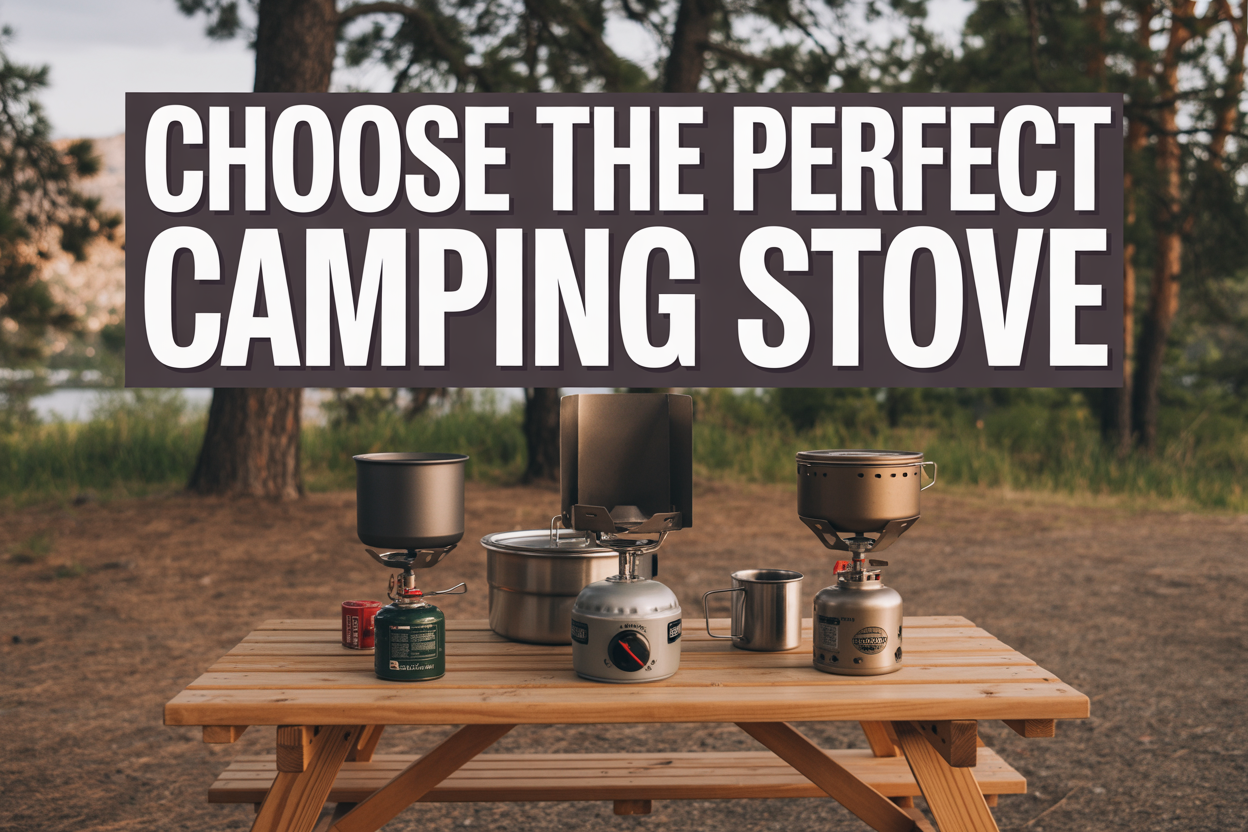
Finding the right camping stove doesn’t have to be overwhelming or time-consuming. This camping stove guide is designed for outdoor enthusiasts, weekend warriors, and beginner campers who want to cut through the confusion and pick the best camping stove for their adventures quickly.
Too many people spend hours researching outdoor cooking equipment only to end up more confused than when they started. You need a straightforward approach that matches your camping style with the right gear.
We’ll walk you through the three main camping stove types and what makes each one special for different situations. You’ll also learn the key performance features that actually matter when you’re cooking outdoors. Finally, we’ll give you a simple 5-minute decision framework that takes the guesswork out of choosing your portable camping stove.
By the end, you’ll know exactly which backpacking stove or camping gear fits your needs without spending your entire weekend doing research.
Determine group size and cooking frequency
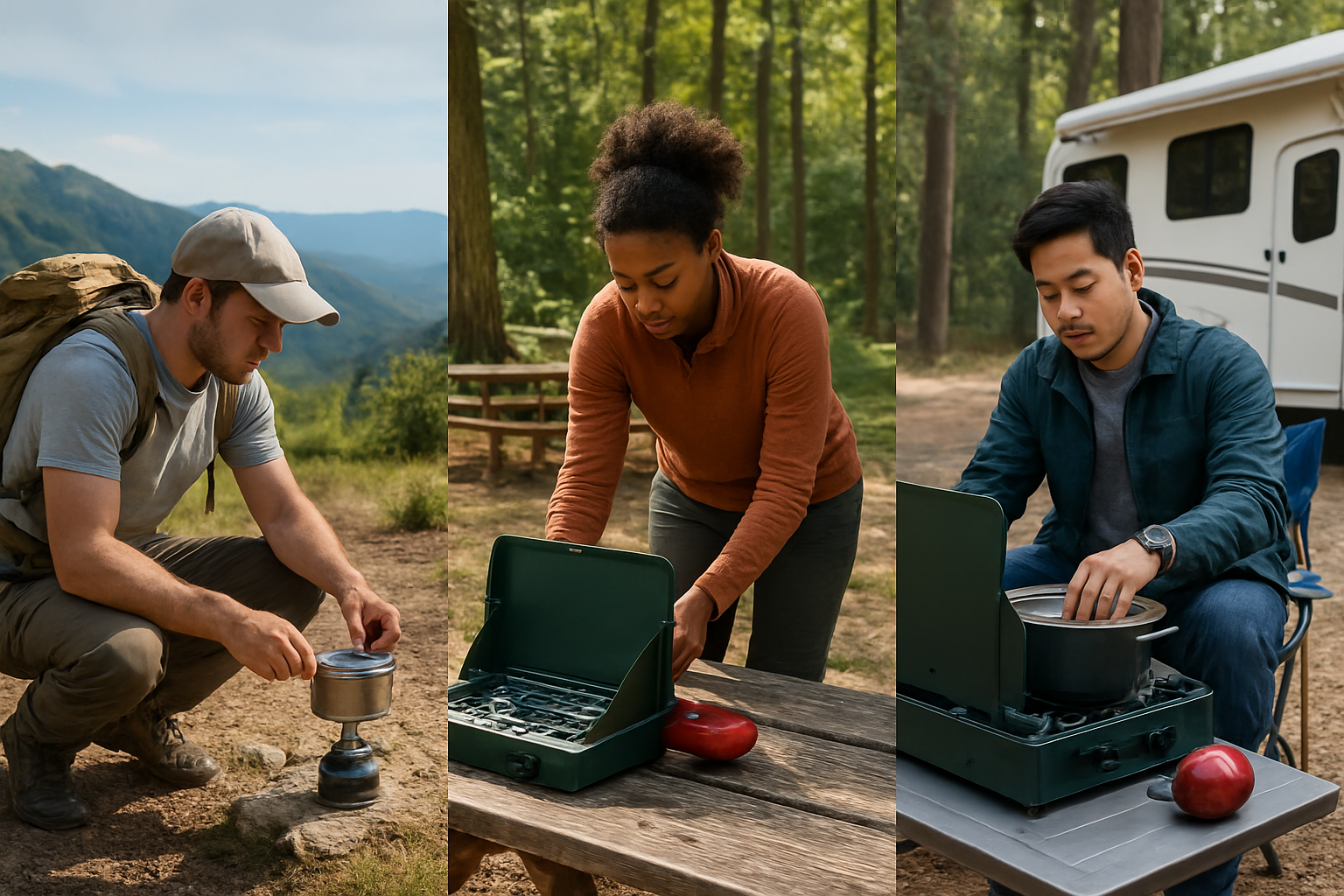
The number of people you’re feeding directly impacts which camping stove will work best for your adventures. Solo backpackers can get away with ultralight, single-burner models that boil water for dehydrated meals in minutes. But if you’re cooking for a family of four or a group of friends who love elaborate campfire feasts, you’ll need serious cooking power.
Think about your typical camping meals too. Are you the type who lives on instant ramen and coffee, or do you prefer searing steaks and simmering stews? Quick boilers excel at heating water fast but struggle with complex cooking. Multi-burner camping stoves give you the flexibility to manage several dishes simultaneously.
Group cooking also means longer cooking times and more fuel consumption. A lightweight backpacking stove that’s perfect for one person might take forever to heat enough food for six hungry campers, leaving everyone cranky and waiting around.
Assess your camping environment preferences
Your camping environment shapes everything about stove performance. High-altitude camping above 8,000 feet demands stoves that work efficiently in thin air – many budget models struggle or fail completely at elevation. Cold weather camping requires liquid fuel stoves or canister stoves with cold-weather capabilities, since standard propane canisters become sluggish below 20°F.
Wind exposure is another major factor. Beach camping, desert adventures, or mountain ridges all present windy conditions that can make cooking frustrating or impossible with the wrong portable camping stove. Look for models with excellent wind resistance or integrated windscreens.
Car camping opens up different possibilities than backcountry adventures. When you can drive right to your campsite, weight becomes less important than cooking versatility and power output.
Consider weight and portability requirements
Weight matters most for backpackers and anyone hiking to their campsite. Every ounce counts when you’re carrying everything on your back for miles. Ultralight titanium stoves weighing under 3 ounces exist for weight-conscious hikers, while car campers can enjoy heavy-duty two-burner models with all the bells and whistles.
Packed size also affects your gear organization. Some camping stove types nest inside your cookpot, saving precious pack space. Others require dedicated storage compartments. Fuel weight and bulk factor in too – liquid fuel stoves let you carry exactly what you need, while canister stoves force you to carry partially used fuel containers.
Consider your transportation method: backpacking, cycling, canoeing, or car camping each has different weight and size constraints that will guide your best camping stove choice.
Master the Three Essential Stove Types
Canister Stoves for Convenience and Reliability
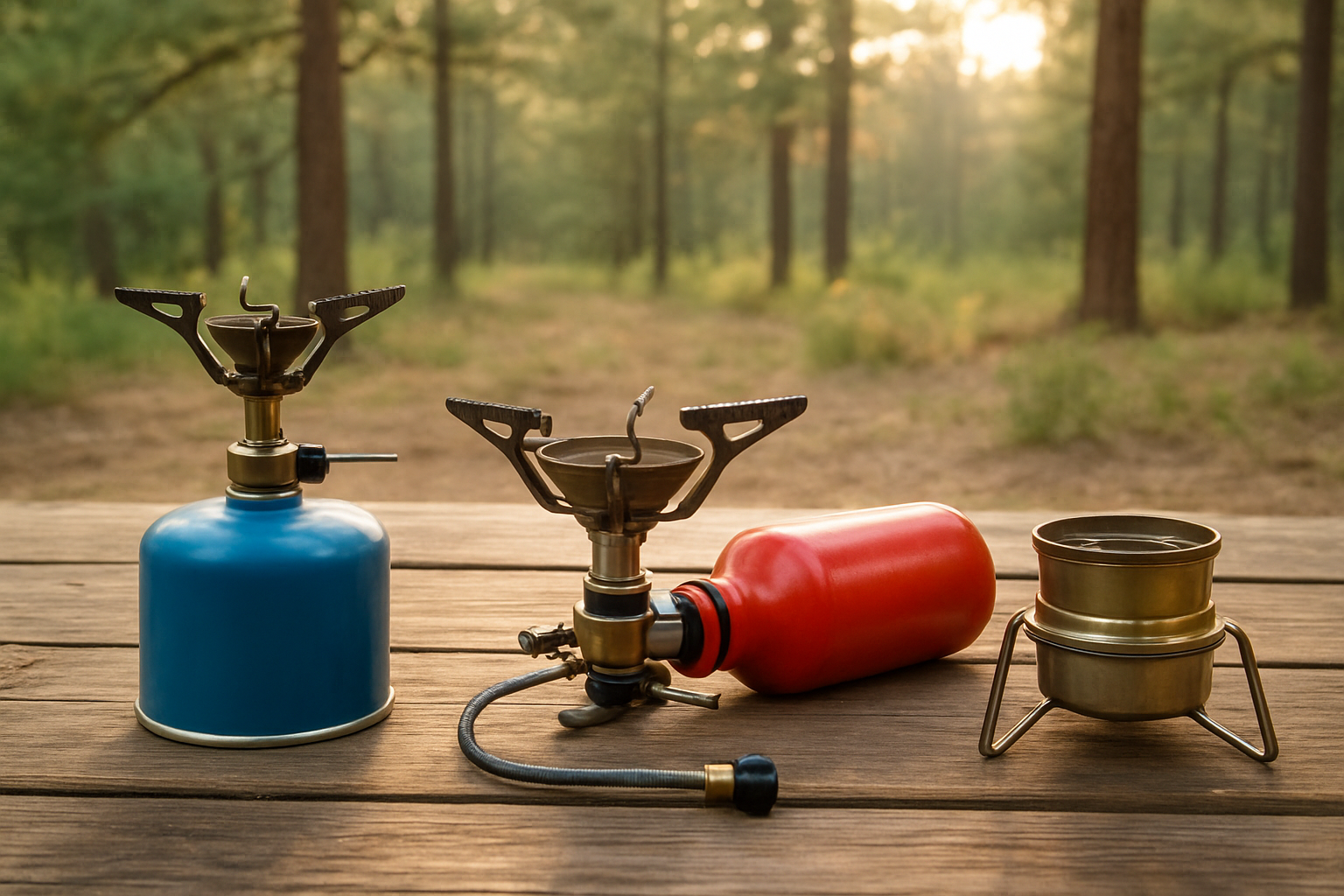
Canister stoves represent the most popular choice among campers and backpackers for good reason. These portable camping stoves connect directly to pressurized fuel canisters containing isobutane or propane mixtures, creating an incredibly simple setup process. You literally screw the stove onto the canister, turn a valve, and light it up.
The biggest advantage? Instant flame control and consistent heat output. Most canister stoves weigh between 2-4 ounces and pack down to the size of a tennis ball. Popular models like the MSR PocketRocket or Jetboil Flash deliver impressive boil times while maintaining excellent stability.
Key Benefits:
-
Easy ignition and precise flame control
-
Clean burning with no priming required
-
Lightweight and compact design
-
Widely available fuel canisters
-
Perfect for weekend camping trips
Drawbacks to Consider:
-
Fuel canisters can’t be refilled
-
Performance drops in cold weather (below 32°F)
-
Higher long-term fuel costs
-
Empty canisters create waste
Liquid Fuel Stoves for Versatility and Cold Weather
When temperatures drop or you’re planning extended expeditions, liquid fuel stoves become the best camping stove option. These workhorses burn white gas (Coleman fuel), kerosene, or even gasoline, making them incredibly versatile for international travel where specific fuel types might be scarce.
The MSR WhisperLite and Optimus Nova represent gold standards in this category. These stoves require priming – heating the fuel line before ignition – but reward you with consistent performance regardless of altitude or temperature. Many models feature adjustable flame control and can simmer delicate foods without burning.
Performance Advantages:
-
Reliable operation in sub-zero temperatures
-
Refillable fuel bottles reduce waste
-
Lower fuel costs for extended trips
-
Burns multiple fuel types
-
Excellent heat output control
Trade-offs:
-
Requires priming and maintenance
-
Heavier than canister stoves (8-16 ounces)
-
More complex operation
-
Potential for fuel spills during refilling
Alternative Fuel Stoves for Ultralight Backpacking
Alcohol stoves have carved out a devoted following among ultralight enthusiasts and thru-hikers. These simple devices burn denatured alcohol and can be crafted from aluminum cans or purchased as refined models like the Trangia Spirit Burner.
The appeal lies in their extreme simplicity – no moving parts, no pressurized components, and fuel that’s available at most hardware stores. A basic alcohol stove weighs under an ounce and costs less than $20. For long-distance hikers counting every gram, this backpacking stove category offers unmatched weight savings.
Ultralight Benefits:
-
Minimal weight (0.5-2 ounces)
-
Virtually indestructible design
-
Inexpensive fuel widely available
-
Silent operation
-
No mechanical failures possible
Performance Limitations:
-
Slower boiling times
-
Difficult flame control
-
Poor cold weather performance
-
Wind sensitivity requires windscreen
-
Longer cook times increase fuel consumption
Wood-Burning Stoves for Sustainable Camping
Modern wood-burning stoves like the Solo Stove or BioLite represent a renaissance in outdoor cooking equipment. These innovative designs create efficient combustion using readily available biomass – twigs, leaves, pinecones, and small branches you find around camp.
The technology focuses on secondary combustion, where gases released from burning wood get burned again, creating remarkably clean fires with minimal smoke. Some models even generate electricity to charge devices while cooking. For car campers or base camp situations, these stoves eliminate fuel weight entirely.
Sustainable Advantages:
-
Zero fuel costs and weight
-
Unlimited fuel availability in wooded areas
-
Satisfying primitive cooking experience
-
Some models charge electronic devices
-
Environmentally friendly operation
Practical Considerations:
-
Requires dry wood collection
-
Not suitable for fire-restricted areas
-
Longer cook times for complex meals
-
Heavier than other stove types (1-3 pounds)
-
Weather-dependent fuel availability
Each camping stove type serves specific needs and camping styles. Canister stoves excel for convenience, liquid fuel dominates in harsh conditions, alcohol stoves appeal to weight-conscious hikers, and wood burners satisfy sustainable camping goals.
Evaluate Critical Performance Features
BTU Output for Efficient Cooking Power
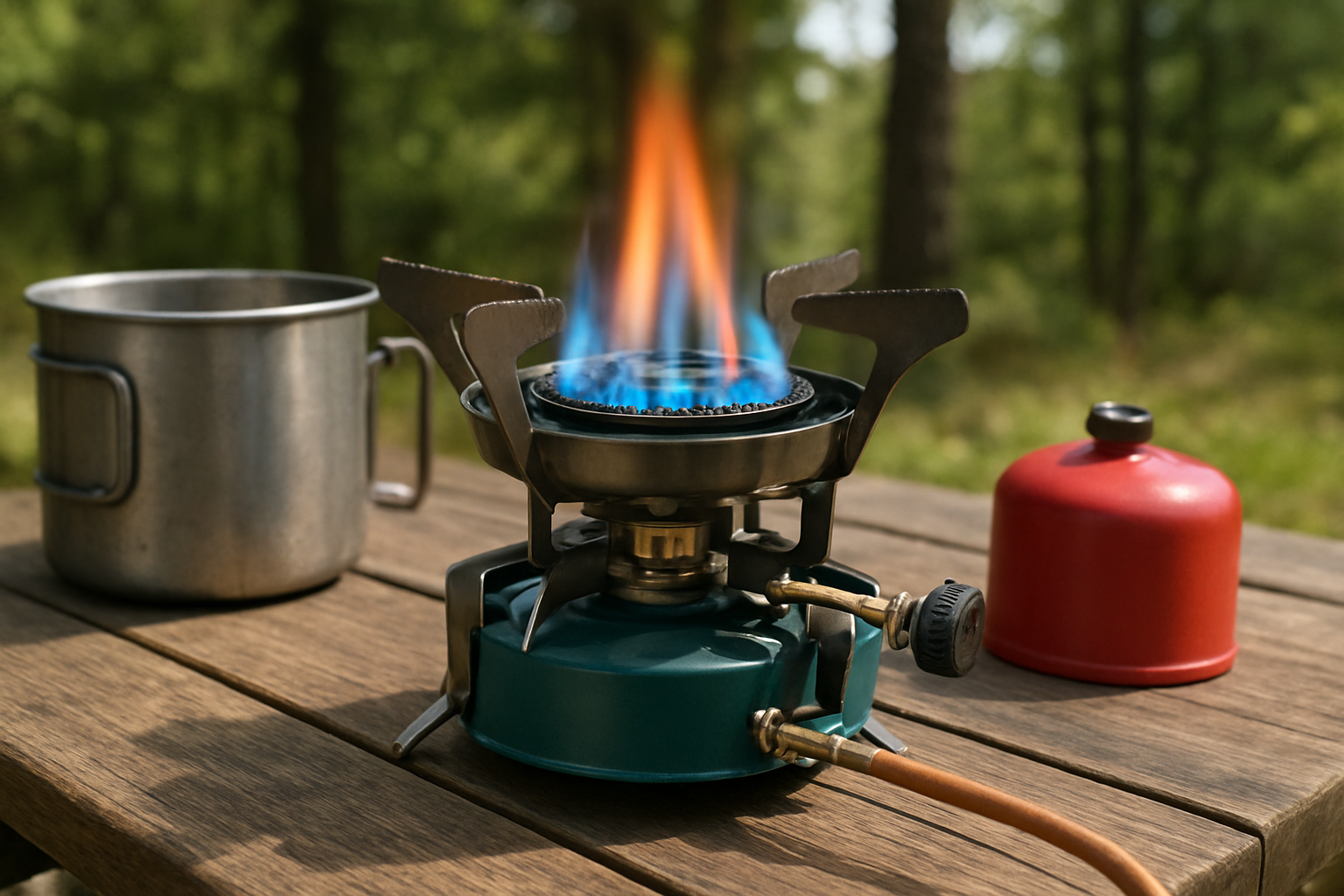
BTU (British Thermal Units) ratings tell you how much raw power your camping stove can deliver. Think of BTUs as the horsepower of outdoor cooking equipment. Most portable camping stoves range from 7,000 to 20,000 BTUs per burner, but bigger numbers don’t always mean better performance.
For solo backpacking stove users, 7,000-10,000 BTUs provides plenty of heat to boil water quickly and cook simple meals. Group camping situations benefit from 12,000-15,000 BTUs, giving you the muscle to handle larger pots and multiple dishes. High-altitude camping demands even more power since air density affects combustion efficiency.
Wind significantly impacts BTU effectiveness. A 15,000 BTU burner without wind protection often performs worse than a 10,000 BTU model with excellent wind shields. Many experienced campers prioritize stoves with integrated windscreens over raw BTU numbers when choosing their camping gear.
Consider what you’ll actually cook. Boiling water for coffee and dehydrated meals requires less power than searing steaks or cooking elaborate camp meals. Match your BTU requirements to your cooking style rather than defaulting to maximum power.
Fuel Efficiency for Extended Trips
Fuel efficiency directly impacts your pack weight and trip duration. Camping stove efficiency varies dramatically between models, even within the same fuel type. Efficient stoves stretch fuel canisters further, saving money and reducing environmental impact.
Canister stoves typically offer the best fuel-to-heat ratio, with top models achieving 3-4 minutes of burn time per gram of fuel. Liquid fuel stoves provide excellent cold-weather performance but generally consume more fuel for equivalent cooking tasks. Alcohol stoves win the efficiency crown for ultralight backpackers who prioritize simplicity over speed.
Test fuel consumption before major trips. Boil a quart of water and measure actual fuel usage versus manufacturer claims. Real-world efficiency often differs from laboratory conditions, especially in windy or cold environments.
Outdoor cooking equipment with better insulation and heat distribution burns less fuel. Look for stoves with heat exchangers or pot supports that maximize heat transfer. Some models include built-in fuel gauges, helping you track consumption during multi-day adventures.
Ignition System Reliability and Ease of Use
Reliable ignition separates great camping stoves from frustrating ones. Piezo electric igniters work well in dry conditions but fail when moisture enters the mechanism. Manual lighting with matches or lighters provides bulletproof reliability but requires extra gear and technique in windy conditions.
Premium stoves feature multiple ignition options. Push-button piezo systems offer convenience while backup manual lighting ensures you can always cook. Some models include ignition system covers protecting sensitive components from dirt and moisture during transport.
Cold weather testing reveals ignition system weaknesses. Piezo igniters struggle below freezing, making manual backup critical for winter camping. Electronic ignition systems drain batteries faster in cold conditions, so carry spares for extended trips.
Ease of use encompasses more than just starting the stove. Look for intuitive controls that work with gloves, stable pot supports that accommodate different cookware sizes, and fuel connections that don’t require tools. Your camping stove buying guide should prioritize systems you can operate confidently in challenging conditions when hunger and fatigue cloud judgment.
Apply the 5-Minute Decision Framework
Your camping style determines everything about the best camping stove for your adventures. Car campers who stay at established campgrounds with picnic tables can handle heavier, more powerful multi-burner stoves that deliver restaurant-quality cooking. These camping stoves excel at feeding groups and cooking complex meals.
Backpackers need ultralight portable camping stoves that prioritize weight savings over cooking power. Every ounce matters when you’re carrying your home on your back for days. Canister stoves typically win here, weighing under 4 ounces while still providing reliable performance.
Weekend warriors who split time between car camping and short hikes want versatile camping stoves that balance portability with cooking capability. A compact two-burner stove or a powerful single-burner unit often hits this sweet spot perfectly.
Compare fuel availability in your camping regions
Fuel accessibility can make or break your outdoor cooking plans. Canister fuels (isobutane-propane mix) are widely available at outdoor retailers and many gas stations, making them convenient for most camping destinations. However, they’re nearly impossible to find in remote areas or internationally.
White gas (liquid fuel) requires more planning but offers superior cold-weather performance and worldwide availability. You can find it at hardware stores, camping shops, and even some airports. The trade-off is dealing with priming and potential spills.
Propane tanks work great for car camping since they’re available everywhere, from grocery stores to gas stations. The downside? They’re heavy and bulky for any camping stove buying guide focused on backpacking.
Create a simple fuel availability map for your favorite camping regions before choosing your camping gear. Mark which fuel types are readily available within 50 miles of your typical destinations.
Balance weight versus performance needs
Weight and cooking power exist in constant tension when selecting outdoor cooking equipment. A powerful two-burner camping stove might weigh 5-8 pounds but can boil water in under 3 minutes and simmer delicate sauces perfectly. Meanwhile, an ultralight backpacking stove weighs 2-4 ounces but takes 5-7 minutes to boil the same amount of water.
Define your performance minimums first. Do you need to boil water quickly for dehydrated meals, or are you planning elaborate multi-course dinners? Can you live with longer cooking times if it saves significant pack weight?
Consider the cooking-to-carrying ratio for your trips. A weekend backpacking trip might justify carrying extra weight for better meals, while a week-long trek demands every weight-saving measure possible.
Verify compatibility with your existing cookware
Your current pots and pans dramatically impact which camping stove makes sense. Large, heavy cookware pairs poorly with tiny backpacking stoves that can’t support the weight or provide adequate heat distribution. Check maximum pot diameter ratings and weight limits for any portable camping stove you’re considering.
Canister stoves work best with lightweight titanium or aluminum cookware designed for camping. The narrow burner head concentrates heat efficiently under smaller pots but struggles with large skillets or Dutch ovens.
Liquid fuel stoves generate more heat and can handle heavier cookware, making them ideal if you want to use your regular kitchen pots and pans for car camping adventures.
Check budget against long-term value proposition
Smart camping stove shopping looks beyond initial price tags. A $30 basic canister stove might seem budget-friendly until you factor in fuel costs over several years. Premium camping stoves often include features like wind resistance, faster boiling times, and better fuel efficiency that save money long-term.
Calculate total cost of ownership by estimating annual fuel consumption, replacement part needs, and expected lifespan. A $150 liquid fuel stove that lasts 10+ years often costs less per camping trip than repeatedly replacing cheaper units.
Quality outdoor cooking equipment typically includes better warranties, available replacement parts, and superior customer support. These factors matter when you’re miles from civilization and your stove malfunctions.
Investment-grade camping stoves also maintain resale value better, making upgrades more affordable when your camping style evolves or you want to try different fuel types for new adventures.
Finding the right camping stove doesn’t have to be overwhelming when you break it down into manageable steps. Start by honestly assessing your camping style and group size, then familiarize yourself with canister, liquid fuel, and alternative fuel stoves to see which type matches your adventures. Pay attention to the features that matter most for your specific needs – weight for backpackers, cooking power for large groups, or cold weather performance for winter camping.
The 5-minute decision framework puts it all together: know your camping style, pick your stove type, check the key features, and make your choice. With this approach, you’ll spend less time researching and more time enjoying hot meals around the campfire. Trust your instincts, stick to your budget, and remember that the best camping stove is the one that gets you excited about your next outdoor adventure.