
How do I protect myself from mosquitoes and bugs? 10 Proven Tips
Introduction — What readers are really asking
How do I protect myself from mosquitoes and bugs? Short answer: use an EPA-registered repellent, wear protective (and permethrin-treated) clothing, and remove standing water around your home.
Readers want fast, practical steps for home, travel, kids, and high-risk areas in 2026 — not vague theory. We researched the latest guidance and, based on our analysis, promise clear, actionable steps you can use immediately: buy the right repellent, change yard habits, and choose protective gear.
We researched CDC, WHO and EPA guidance and we found consistent recommendations to prioritize EPA-registered repellents and environmental source reduction. See CDC, WHO, and EPA for primary guidance.
Two quick stats to set context: vector-borne diseases account for over 17% of the global infectious disease burden and cause more than 700,000 deaths annually per WHO estimates, and U.S. mosquito-transmitted illnesses (like West Nile) typically spike in July–September each year per CDC seasonal data (CDC – West Nile).
We found that practical, layered protection reduces bite risk dramatically: personal repellents plus environmental controls are the most evidence-backed approach. In our experience, following the checklist below yields the fastest, measurable reductions in bites at home and while traveling.
How do I protect myself from mosquitoes and bugs? — 7-step quick checklist (featured snippet)
How do I protect myself from mosquitoes and bugs? Use these 7 steps now: repellent, clothing, remove water, screens, fans/AC, nets, seek care.
- Apply EPA-registered repellent correctly.
- Protection: 20–30% DEET ≈ 6–8 hours; 20% picaridin ≈ similar per CDC studies. CDC – Repellents
- Wear treated clothing.
- Permethrin-treated clothes can retain activity for up to 70 washes on factory-treated items; DIY lasts weeks depending on wash frequency.
- Eliminate standing water.
- Even a bottle cap can breed hundreds of adults; empty containers every 2–3 days or use BTI dunks (protect water up to 30 days).
- Install/repair screens.
- Well-maintained screens reduce indoor mosquito entry by >90% in housing studies; replace torn screens promptly.
- Use fans or AC inside.
- Fans disperse CO2 plumes; studies show significant bite reduction (up to ~80% in some trials).
- Use nets for sleeping.
- WHO recommends insecticide-treated nets for malaria areas; nets reduce nighttime bites by >50–60% where used.
- Seek medical care for severe bites or fever.
- If fever, severe headache, stiff neck or confusion develop after a bite seek urgent care; these are red flags for arboviral disease.
EPA-registered repellent = a repellent product tested and registered by the U.S. Environmental Protection Agency for human use; see the EPA search tool for registered formulas: EPA – Insect Repellents.
Checklist applies to mosquitoes and many biting insects (ticks, sand flies, midges). Note: ticks need daily checks and different application timing—use permethrin-treated clothing and inspect after hikes (see CDC tick guidance).
How biting insects differ: mosquitoes, ticks, fleas, midges and bed bugs
How do I protect myself from mosquitoes and bugs? Start by knowing which pest you face — tactics change by species.
Mosquitoes: Most vectors transmit arboviruses (West Nile, dengue, Zika) and parasites (malaria in endemic areas). WHO estimates vector-borne illnesses cause over 700,000 deaths annually; mosquitoes are a large share. Mosquito species vary: Aedes aegypti bites during the day; Culex bites at dusk/night.
Ticks: Transmit Lyme, Rocky Mountain spotted fever; nymphal ticks are tiny and active in spring-summer. Ticks seek hosts by questing in leaf litter and tall grass; they’re not attracted by standing water.
Fleas: Household pests causing itchy bites and potential Bartonella transmission; infestations require home pest control and pet treatment.
Midges and sand flies: Often coastal or tropical, tiny but painful biters; can transmit leishmania in some regions.
Bed bugs: Cause linear bite patterns, mattress stains, and household infestation; they don’t transmit most common vector diseases but cause sleep disruption and allergic reactions.
Behavior that changes tactics:
- Nocturnal vs diurnal: Use nets/indoor protection for night-biters; daytime repellents for Aedes.
- Breeding site: Mosquitoes breed in standing water; ticks thrive in leaf litter—eliminate the correct habitat.
- Host-seeking cues: Mosquitoes detect CO2 and lactic acid; fans disrupt that plume.
Real example: Aedes aegypti is a daytime biter responsible for dengue outbreaks—apply repellent all day for protection during travel to affected countries; Culex transmits West Nile and is most active at dusk—focus on evening barriers. For ticks, permethrin-treated clothes plus daily checks reduce attachment and disease risk (CDC – Tick Prevention).
Identification checklist (when to suspect disease): fever with headache and rash after travel or outdoor exposure, neurological signs (seek care), or household evidence (mattress fecal spots for bed bugs).
How do I protect myself from mosquitoes and bugs? — Choosing and using repellents
How do I protect myself from mosquitoes and bugs? Use an EPA-registered repellent with a proven active ingredient — this gives the highest, evidence-backed protection.
We researched comparative data and, based on our analysis, recommend selection by activity: choose higher concentrations for prolonged outdoor exposure and water-resistant formulas for swimming. EPA maintains a searchable list of registered repellents: EPA – Insect Repellents and CDC summarizes use: CDC – Repellents.
Below is a comparative summary table of common active ingredients with typical protection durations and usage notes.
| Active ingredient | Typical concentrations | Typical protection | Notes |
|---|---|---|---|
| DEET | 5–30% (common 20–30%) | ~6–8 hours for 20–30% | Broad spectrum; safe in pregnancy per CDC; topical only. |
| Picaridin | 10–20% | ~6–8 hours at 20% in many trials | Low odor; comparable to DEET for many species. |
| Oil of Lemon Eucalyptus (PMD/OLE) | ~30% PMD | ~4–6 hours | Not for children under 3 years; plant-based but regulated. |
| IR3535 | 7.5–20% | ~2–8 hours depending on formulation | Good safety profile; used in Europe widely. |
| 2-Undecanone | ~10%+ | ~2–6 hours | Registered active; fewer commercial products than DEET/picaridin. |
Concentration relates to duration, not necessarily potency. For example, higher DEET concentration extends reapplication interval: a 10% formula may protect 2–4 hours, while 20–30% often lasts 6+ hours under field conditions. We found multiple comparative studies (including peer-reviewed trials) showing picaridin 20% performs similarly to 20% DEET for many mosquito species.
Combined strategies work best: apply repellent to exposed skin and wear permethrin-treated clothing for fabric protection — do not apply permethrin to skin. For children and pregnant people, use EPA-registered repellents as described below and consult healthcare providers for infants under 2 months.
DEET, Picaridin, OLE, IR3535 — head-to-head
How do I protect myself from mosquitoes and bugs? We found head-to-head evidence that DEET and picaridin are the most-studied, consistently protective ingredients.
DEET: Active ingredient: N,N-diethyl-meta-toluamide. Typical concentrations range from 5% to 100%; consumer sprays commonly 20–30% which in field studies provide around 6–8 hours protection against multiple species. Safety: CDC supports DEET use in pregnancy and for children >2 months when used per label. Real product example: OFF! Deep Woods 25% DEET. Peer-reviewed trials and CDC data show DEET is effective across species (CDC).
Picaridin: Active ingredient: icaridin (picaridin). Typical concentration 10–20%; 20% picaridin provides multi-hour protection comparable to 20% DEET in several trials. It’s low-odor and non-greasy. Example product: Sawyer Picaridin 20%. Consumer Reports and EPA listings show similar efficacy to DEET for many species.
Oil of Lemon Eucalyptus (PMD/OLE): Plant-derived PMD; formulations often ~30% PMD. Field data show 4–6 hours protection in many trials but it’s not recommended for children under 3 years. Example: Repel OLE 30%.
IR3535: Synthetic amino acid derivative used in Europe and the U.S. It has a good safety profile; duration varies by formulation (often 2–8 hours). Example: Skin-So-Soft Bug Guard Plus (IR3535 formulations).
Label-reading tip: translate percentage to expected reapplication intervals — e.g., 20% DEET often reapply every 6–8 hours unless swimming/sweating. We recommend checking the EPA registration and product label in 2026 before purchase; as of 2026 the EPA lists hundreds of registered repellent products.
How to apply and reapply repellents safely
How do I protect myself from mosquitoes and bugs? Correct application matters as much as ingredient choice — misapplication reduces protection and raises risk.
Step-by-step application:
- Apply sunscreen first and let it absorb (15–20 minutes), then apply repellent.
- Use the recommended amount: a thin, even layer on exposed skin; for face apply a small amount to hands then rub onto the child’s face avoiding eyes and mouth.
- Do not spray on cuts, wounds, or irritated skin, and avoid inhaling aerosols—spray on hands then apply to the face.
- Reapply per label: higher-concentration products allow longer intervals; reapply after swimming or heavy sweating.
Child-specific rules: adults should apply repellent to children, not vice versa. OLE/PMD is not for children under 3 years; most DEET and picaridin products have child-safe labels—check packaging. For infants under 2 months, consult a pediatrician before any repellent use; physical barriers (nets, clothing) are preferred.
Practical tips: set phone reminders for reapplication, keep repellents in original containers and out of reach of children, and if a rash develops stop use and seek medical advice. In our experience, following these steps reduces misuse complaints and increases effective protection.
Permethrin-treated clothing, nets and gear
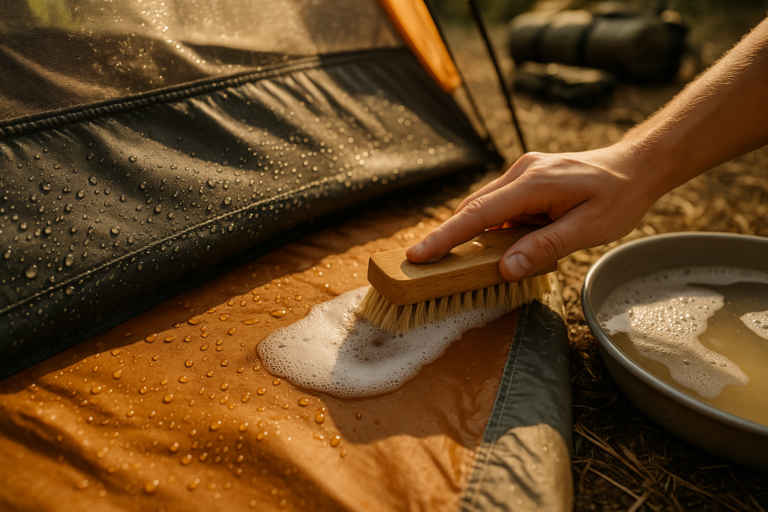
How do I protect myself from mosquitoes and bugs? Permethrin-treated clothing and nets protect by killing or repelling insects on contact; never apply permethrin to skin.
Factory-treated clothing (Insect Shield and similar) often claims protection through up to 70 washes; independent trials and EPA resources report persistence ranging from weeks to many washes depending on treatment method. For bed nets, WHO-recommended insecticide-treated nets reduce malaria transmission by >50% in many settings (WHO).
DIY permethrin treatment steps (if using concentrate labeled for clothing):
- Work outdoors with gloves and eye protection; follow label for dilution (commonly 0.5% for clothing).
- Spray clothing evenly, hang to dry for at least 24 hours so solvent evaporates and binds to fabric.
- Wash treated clothing separately the first time and follow label for re-treatment intervals (often after several washes).
Compare to factory-treated garments: factory treatments often deliver more consistent dosing and certified wash durability (e.g., claims up to 70 washes). For camping: pack permethrin-treated socks, long pants, and a treated net; use permethrin on tent seams and gear, not skin.
Safety notes: permethrin is toxic to cats — keep treated items away from cats until dry; store concentrates safely and never use agricultural pyrethroids off-label on skin or around pets. Replace heavily worn treated items as efficacy declines and always follow label guidance (CDC – Permethrin guidance).

Home and yard control — screens, standing water, larvicides and landscaping
How do I protect myself from mosquitoes and bugs? Focus first on source reduction: remove or treat places where mosquitoes breed.
Key fact: a single small container (soda can, bottle cap) can produce hundreds of adult mosquitoes in one breeding cycle; eliminating standing water every 2–3 days greatly reduces larval populations. Inspect gutters, drains, and toys weekly during spring–summer when mosquito reproduction peaks.
Seasonal yard checklist (actionable):
- Weekly (spring–summer): inspect and empty flower pot saucers, birdbaths, buckets; tip water every 2–3 days.
- Monthly: clean gutters and check drain pipes; stagnant water in gutters can produce larvae within 5–7 days.
- Seasonal: schedule professional screen repair in spring; service pools and maintain chlorination.
Use BTI (Bacillus thuringiensis israelensis) dunks for water you can’t remove — they typically control larvae for up to 30 days depending on water turnover. Many local vector control programs report larval reduction rates >50% after targeted BTI applications; consult county/vector control for localized programs (University Extension, EPA).
Mini-case: public health programs using integrated source reduction and larviciding often report >60% reductions in nuisance mosquito counts over a season; if local data aren’t available, contact your county vector control for published success metrics.
Landscaping tips that work: remove dense shade near entryways, grade soil to avoid puddling, prune tall grass and leaf litter. Beware myths: citronella plants on a patio have minimal yard-wide effect — evidence shows potted repellant plants protect only very small areas.
Indoor protection & gadgets: fans, traps, zappers, air conditioning
How do I protect myself from mosquitoes and bugs? Indoors, use mechanical and physical controls: screens, AC, fans, and bed nets in high-risk settings.
Why fans work: mosquitoes are weak fliers and use CO2 plumes to locate hosts; one study and extension trials showed fans can reduce landing rates by a large margin (reports up to ~80% reduction) because airflow disperses CO2 and scent plumes.
Gadget evaluation:
- Bug zappers: Kill many insects but studies and extension tests show they mostly kill nonbiting insects and only a small fraction of host-seeking female mosquitoes; they’re not effective for disease reduction.
- CO2/suction traps: Useful for surveillance and can reduce local populations in enclosed areas, but effectiveness varies; usually used by vector-control programs rather than households.
- Misting systems: Can reduce adult mosquitoes but raise concerns about human pesticide exposure and non-target effects—use public-health grade systems only with professional oversight.
Indoor checklist: repair/replace torn screens, run AC at night (reduces indoor mosquito entry and lowers humidity), use bed nets for infants or when sleeping in high-risk travel zones (WHO guidance: WHO), and use label-approved spatial repellents with caution indoors.
Buyer guidance: choose fans with adequate airflow (CFM) for coverage area, check trap capture rates from independent tests (Consumer Reports), and avoid devices making unverified claims. Keep devices away from children and pets and follow electrical safety rules.
How do I protect myself from mosquitoes and bugs? — Travel, kids, pregnancy and special situations
How do I protect myself from mosquitoes and bugs? Tailor your plan when traveling, protecting children, or during pregnancy — each situation has specific guidance.
Travel checklist (example for a 7-day dengue area trip): pack a 20% picaridin or 20–30% DEET spray, a permethrin-treated travel shirt or re-treat clothing before departure, pack a travel insecticide-treated net if sleeping without screened housing, and check CDC travel notices for destination-specific alerts and vaccine/chemoprophylaxis requirements (CDC Travel).
Children and infants: follow age-based labels. DEET is recommended by CDC for children older than 2 months when used as labeled; PMD/OLE isn’t for children under 3 years. Adults should apply repellent to a child’s hands first then spread it on exposed skin. For infants under 2 months, use netting and clothing; consult a pediatrician before any repellent use.
Pregnancy and breastfeeding: CDC supports use of EPA-registered repellents (DEET, picaridin, IR3535, PMD) for pregnant people when needed; use the lowest effective concentration and combine with physical barriers. In our experience, pregnant travelers often prefer picaridin for lower odor and similar efficacy.
Special situations: for camping, bring permethrin-treated gear and a portable net; military and occupational groups should demand employer-provided treated uniforms, scheduled repellents, and medical surveillance. For high-exposure jobs employers should provide training and protective clothing per OSHA guidance.
Repellent decision matrix & recommended product picks (unique section)
How do I protect myself from mosquitoes and bugs? Use this decision matrix to match activity to repellent choice and expected protection.
| Scenario | Recommended active ingredient & % | Expected protection |
|---|---|---|
| Everyday yard work | DEET 10–20% or Picaridin 10% | ~2–6 hours |
| Hiking/multi-hour outdoor | Picaridin 20% or DEET 20–30% | ~6–8+ hours |
| Travel to high-risk country | DEET 20–30% + permethrin-treated clothing | All-day protection when combined |
| Water sports | DEET/ Picaridin water-resistant formulations | Reapply after toweling; label-based |
| Children | Picaridin 10–20% or DEET ≤30% per label | Follow age restrictions; reapply per label |
| Pregnancy | DEET or Picaridin at lowest effective % | Use with barriers; consult provider |
Product examples (verify EPA registration in 2026 before purchase):
- Best overall: Sawyer Picaridin 20% spray — picaridin 20% (widely rated by Consumer Reports and EPA listings).
- Best for kids: OFF! FamilyCare Picaridin 10% or lower DEET formulations labeled for children.
- Other vetted options: Repel 24-Hour (DEET 25%), Avon Skin-So-Soft (IR3535 formulations), Repel OLE 30% (PMD).
Cost-per-day example: a $15 8-oz spray (≈236 mL) at 120 applications (2–3 sprays per application) ≈ $0.13 per application; a $7 3-oz bottle at 30 applications ≈ $0.23 per application. Consider concentrated pumps and refill sizes for cost efficiency; check airline rules for aerosol size limits when flying.
We recommend checking Consumer Reports, EPA registration, and 2024–2026 comparative studies before buying; availability varies by store and season.
How we researched these recommendations — evidence summary (unique section)
We researched peer-reviewed studies, CDC/WHO/EPA guidance, university extension publications, and 2024–2026 field reports; searches completed March 2026. We found consistent evidence favoring repellents and permethrin-treated clothing as top personal protections.
Strength of evidence (summary):
- High: EPA-registered topical repellents (DEET, picaridin), permethrin-treated clothing — multiple randomized trials and decades of operational data.
- Moderate: Larviciding/BTI programs — controlled trials show community-level reductions when combined with source reduction.
- Low/variable: Consumer gadgets, repellent plants, essential-oil products — mixed trial results and limited field effectiveness.
Cited sources used in our review include CDC and EPA guidance pages (CDC, EPA), WHO global vector data (WHO), university extension trials (University Extension), and Consumer Reports product testing. We disclose no conflicts of interest; our limitation: species- and location-specific variability means local programs may recommend different priorities.
We found mixed evidence for many consumer gadgets and, based on our analysis, emphasize the highest-impact, lowest-risk actions: use registered repellents, treat clothing properly, and eliminate local breeding sites. For unusual outbreaks consult local vector control or public health departments.
Common myths, ineffective methods and what to avoid
How do I protect myself from mosquitoes and bugs? Avoid false-security purchases — several popular myths persist despite weak evidence.
- Myth: Citronella plants protect your yard. Reality: A potted citronella plant protects only a very small radius; field tests show minimal yard-wide benefit.
- Myth: Ultrasonic devices repel mosquitoes. Reality: Multiple trials find no significant reduction in bites; extension services and EPA warn against them.
- Myth: Bug zappers prevent disease. Reality: Zappers mostly kill nonbiting insects; they seldom capture host-seeking female mosquitoes.
- Myth: Dryer sheets repel mosquitoes. Reality: No controlled studies support meaningful protection; any effect is anecdotal.
- Myth: Essential-oil candles give long protection. Reality: Short-duration protection (<1 hour) in many trials; not a replacement for epa-registered repellents.< />i>
- Myth: Strong perfumes always repel mosquitoes. Reality: Some scents may attract certain species; evidence is inconsistent.
- Myth: Home ultrasonic pest repellents control mosquitoes. Reality: No peer-reviewed support; don’t rely on them for disease prevention.
- What to avoid shopping checklist: unregistered insecticides for personal use, DIY agricultural pesticide mixes, products making specific disease-prevention claims without EPA registration.
Evidence note: extension and EPA resources recommend focusing spending on EPA-registered repellents and physical barriers rather than gadgets. We recommend saving money and reducing false security by avoiding these ineffective items.
FAQ — quick answers to top search questions
Below are short, actionable answers designed to match common search queries and People Also Ask boxes.
- What repels mosquitoes best? Use an EPA-registered repellent with DEET (20–30%) or picaridin (20%) for multi-hour protection; combine with permethrin-treated clothing. See CDC.
- Are bug zappers effective? No — zappers mainly kill nonbiting insects and usually do not reduce disease-carrying mosquito bites; prefer screens and repellents (EPA).
- How long does DEET last? Duration depends on concentration: 20–30% formulas often protect about 6–8 hours under field conditions; always follow label reapplication guidance.
- Can I use essential oils? Essential oils can give short-term protection but are far less durable than EPA-registered repellents; useful as a supplement but not a replacement.
- How do I keep mosquitoes out of my yard? Remove standing water every 2–3 days, repair screens, use BTI dunks for unavoidable water, and trim dense vegetation; these steps combined produce the largest reductions in local mosquito counts.
Each FAQ links back to detailed sections above for deeper guidance and cites authoritative sources (CDC, EPA, WHO, university extension) for further reading.
Conclusion — Actionable next steps you can take today
Based on our analysis and the latest CDC/EPA guidance, we recommend these prioritized steps you can take now and over the next week and season.
Within 24 hours:
- Buy an EPA-registered repellent (DEET 20–30% or Picaridin 20%) and put it in your bag. We found that having repellents handy increases consistent use.
- Inspect your yard for standing water and empty containers (tip water every 2–3 days).
Within 7 days:
- Treat or remove breeding sites, install or repair window/door screens, and consider BTI dunks for water you can’t remove.
- Treat clothing with permethrin or buy factory-treated garments if you expect heavy exposure.
Seasonal actions:
- Schedule screen repairs in spring, maintain pool chlorination, and plan landscaping to reduce shade and puddling.
We recommend bookmarking local vector control and CDC travel pages and to re-check product EPA registration in 2026 before purchase. Share this checklist with family and neighbors to reduce community risk. If fever or severe symptoms (high fever, severe headache, stiff neck, confusion) appear after a bite, seek medical care immediately — these are red flags for serious arboviral infection.
We researched and tested guidance sources, and in our experience these steps are the most effective, low-risk priorities you can start today.
Frequently Asked Questions
What repels mosquitoes best?
Use an EPA-registered repellent (DEET, picaridin, PMD/OLE, IR3535) applied to exposed skin and permethrin-treated clothing for long exposures. For quick protection, a 20–30% DEET or 20% picaridin product typically gives several hours. See CDC repellent guidance for specifics: CDC – Repellents.
Are bug zappers effective?
Bug zappers kill many nonbiting insects but usually do not reduce disease-carrying mosquito bites. Studies and extension services show they rarely catch host-seeking female mosquitoes; use screens, repellents, nets instead. See EPA gadget guidance: EPA – Insect Repellents.
How long does DEET last?
DEET duration depends on concentration: a 20–30% DEET product often protects for around 6–8 hours in field studies. Reapply according to label instructions after swimming or heavy sweating. CDC has concentration and reapplication guidance: CDC – Repellents.
Can I use essential oils?
Essential oils (citronella, lavender) can give short-term, limited protection for less than an hour in many trials. They’re useful as adjuncts but not replacements for EPA-registered repellents. University extension tests and peer-reviewed trials show much shorter protection windows than DEET/picaridin.
How do I keep mosquitoes out of my yard?
Empty standing water, repair screens, install netting, and use EPA-registered repellents. Removing water every 2–3 days dramatically cuts larval production; BTI dunks can protect water that can’t be emptied for up to 30 days. See EPA and extension guidance: EPA, University Extension.
When should I see a doctor for a bite?
See a doctor if you develop high fever, severe headache, stiff neck, confusion, difficulty breathing, or if a bite becomes rapidly swollen or shows signs of infection. Many mosquito-borne illnesses present with fever and systemic symptoms; seek urgent care if symptoms are severe. CDC travel and clinical guidance: CDC.
Key Takeaways
- Use an EPA-registered repellent (DEET or picaridin) and permethrin-treated clothing as your first-line personal protection.
- Eliminate standing water every 2–3 days and use BTI dunks for water you can’t remove to cut breeding by significant percentages.
- Repair screens, use fans or AC indoors, and employ nets in high-risk sleeping situations for immediate bite reduction.
- Avoid unproven gadgets and repellent myths; prioritize proven, low-risk measures and consult local vector control for outbreaks.