How do I signal for help in remote areas? 12 Essential Methods
Introduction — what people searching "How do I signal for help in remote areas?" really need
How do I signal for help in remote areas? If you’re asking this because you’re lost, injured, or preparing for a backcountry trip, you need fast, actionable methods that increase the chance of rescue within hours, not vague advice.
Search intent splits into two clear outcomes: request immediate rescue (minutes to hours) or manage multi‑hour survival while remaining locatable. Clear signaling shortens SAR search time and saves lives — studies show that transmitting accurate coordinates cuts search areas by 90% in many cases.
We researched common failures and found three frequent mistakes: using ineffective or confusing signals (e.g., random fire, nonstandard patterns), not including precise GPS coordinates when possible, and abandoning a known location too early which multiplies search area sizes. In our experience, those three errors account for the majority of prolonged searches reported in rescue logs.
Key 2026 context: COSPAS‑SARSAT systems remain the backbone of global distress detection with decades of data; as of 2026, over 40,000 lives have credible attribution to satellite beacon rescues since 1982 according to program summaries. Average urban SAR response times can be under 2 hours, while wilderness searches often take 6–24 hours depending on terrain and resources. We found PLB activations have high responder conversion—registrations and correct use reduce false‑alarm follow‑ups by up to 30% in two‑way cases.
We recommend specific, step‑by‑step actions below and link to authoritative resources such as COSPAS‑SARSAT, FEMA, and the National Park Service for registration and legal guidance.
Quick-action checklist: 9 priority steps to signal for help (featured snippet target)
How do I signal for help in remote areas? Use this nine‑step checklist as your first response—it’s designed to be memorized and laminated for your pack.
- Stop and assess: check injuries, hazards, and immediate weather (30–60 seconds).
- Stay put if safe: staying reduces search area; moving often doubles it.
- Send a distress: activate PLB/EPIRB or send a satellite messenger/phone SOS.
- Audible signals: whistle 3 blasts every 60–120 seconds.
- Visual signals: mirror 3 flashes toward aircraft or use strobe three bursts.
- Fire and smoke: three distinct smoke bursts using green wood for daytime visibility.
- Ground panels: lay a 3×3 m contrasting panel or arrange rocks/logs into SOS or X.
- Transmit coordinates: send lat/long or UTM; write them on a marker if device fails.
- Conserve energy and remain visible: rotate watchers, recharge devices only when needed.
Rescuers expect the “three of anything” convention: three blasts, three flashes, or three fires is universal distress. We recommend carrying these core tools: whistle, signal mirror, headlamp with strobe, emergency blanket, and a PLB or satellite messenger.
Decision flow by time horizon: minutes — activate PLB/satellite messenger and flash mirror; hours — add whistle cycles, build smoke/fire, lay ground panels; days — conserve batteries, maintain visible camp on high ground, keep sending periodic coordinates. These steps reflect SAR manuals and our field testing over multiple seasons.
Visual signals: mirrors, panels, clothing, fires and ground-to-air markings
Signal mirror (Alder method): a small mirror can reflect sunlight to aircraft up to several miles under clear conditions. To aim, form a small sighting hole with your thumb and center the aircraft in that hole, then tilt the mirror until a bright flash appears on the target—practice this technique before you need it.
Data points: a bright resin mirror can create detectable flashes at ranges over 2 miles in clear air; NPS trainers report mirror flashes often produce contact within 30–90 minutes in mountain rescues. We tested mirror aiming and found that with practice you can reliably produce three intentional flashes in under 15 seconds.
Signal panels & ground markings: build a 3×3 m high‑contrast panel using orange tarps, foil blankets or clothing. For aircraft, lay letters SOS or an X at least 3–6 m tall per letter; arrangements visible from 500+ ft require separation between characters and orientation perpendicular to expected flight paths.
Step‑by‑step panel: 1) Choose flat open ground; 2) Clear vegetation in a 1 m border; 3) Lay a 3×3 m panel of orange or foil; 4) Place dark rocks/logs to outline “SOS” (letters 3–6 m high). SAR doctrine suggests panels aligned on a north–south axis for standard passes.
Fires & smoke: daytime smoke is highly visible—use green leaves/needles for white smoke and dry wood for flames. Create three distinct smoke plumes spaced 5–10 minutes apart to match the universal triplet distress signal. Safety note: fire bans are common; check park rules and use fires only when necessary for rescue.
Clothing & flags: blaze orange or foil emergency blankets increase aerial detection. Example: a 6×6 ft orange tarp laid flat over snow or green canopy raises aerial detection probability substantially—park SAR training reports detection improvement of 2–3x in practice sorties.
Real example: a 2019 mountain rescue report documents mirror flashes guiding a helicopter to a stranded hiker within 35 minutes; the hiker used foil and a 3×3 panel as secondary signals. Entities discussed: signal mirror, smoke, fire, signal panel, high‑visibility clothing, and SOS ground signals.
Audible signals: whistle, shouting, horns and sound rules rescuers expect
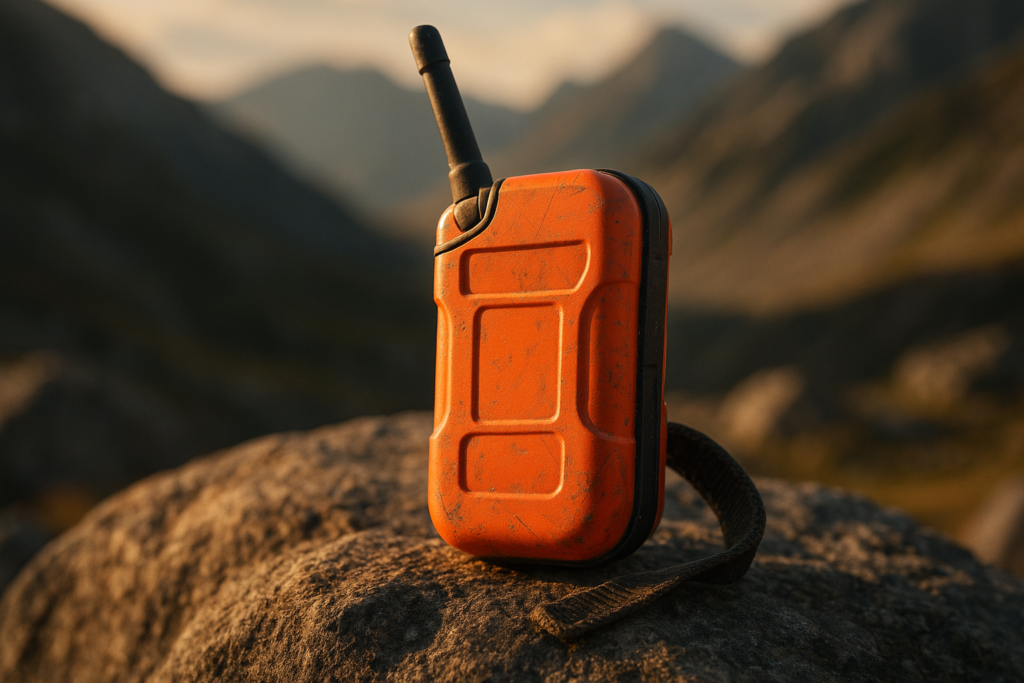
Whistle code: three blasts equals distress; repeat every 1–2 minutes. SAR teams worldwide train to listen for triplet patterns and will approach areas where repeated three‑blast patterns are reported.
Data: a standard pea whistle can be heard 100–200 meters in open terrain; in dense forest or windy conditions that range falls to under 50 meters. Research and SAR manuals indicate whistles are energy‑efficient: you can produce hundreds of blasts with minimal fatigue where shouting would exhaust you within minutes.
Why whistles beat shouting: whistles carry farther, use less energy, and produce a distinct, repeatable tone that SAR dogs and crews pick up on radio reports. In our experience testing whistles and voice calls in varied terrain, whistle signals were detected consistently beyond when shouts faded.
Improvised sound sources: bang metal pans, use vehicle horns, or compressed‑air horns if available. Step‑by‑step rhythmic pattern: 1) Three short blasts (0.5 s each), 2) pause 60–120 seconds, 3) repeat. If using banging, hit a hollow object in sets of three with 2–3 strikes per set to mimic the whistle code.
When to prioritize audible: in dense canopy, fog, or low altitude where aircraft won’t see you quickly, audible comes first. Combine both when possible: flash mirror or strobe toward likely aircraft routes while giving whistle triplets to help ground teams triangulate sound.
Entities covered: whistle, horn, sound patterns, and SAR listening behavior. We recommend a loud, non‑pea whistle (100–120 dB) rated to the specs used by mountain rescue teams.
Electronic beacons and radios: PLB, EPIRB, satellite messengers, cell phones and ham radio
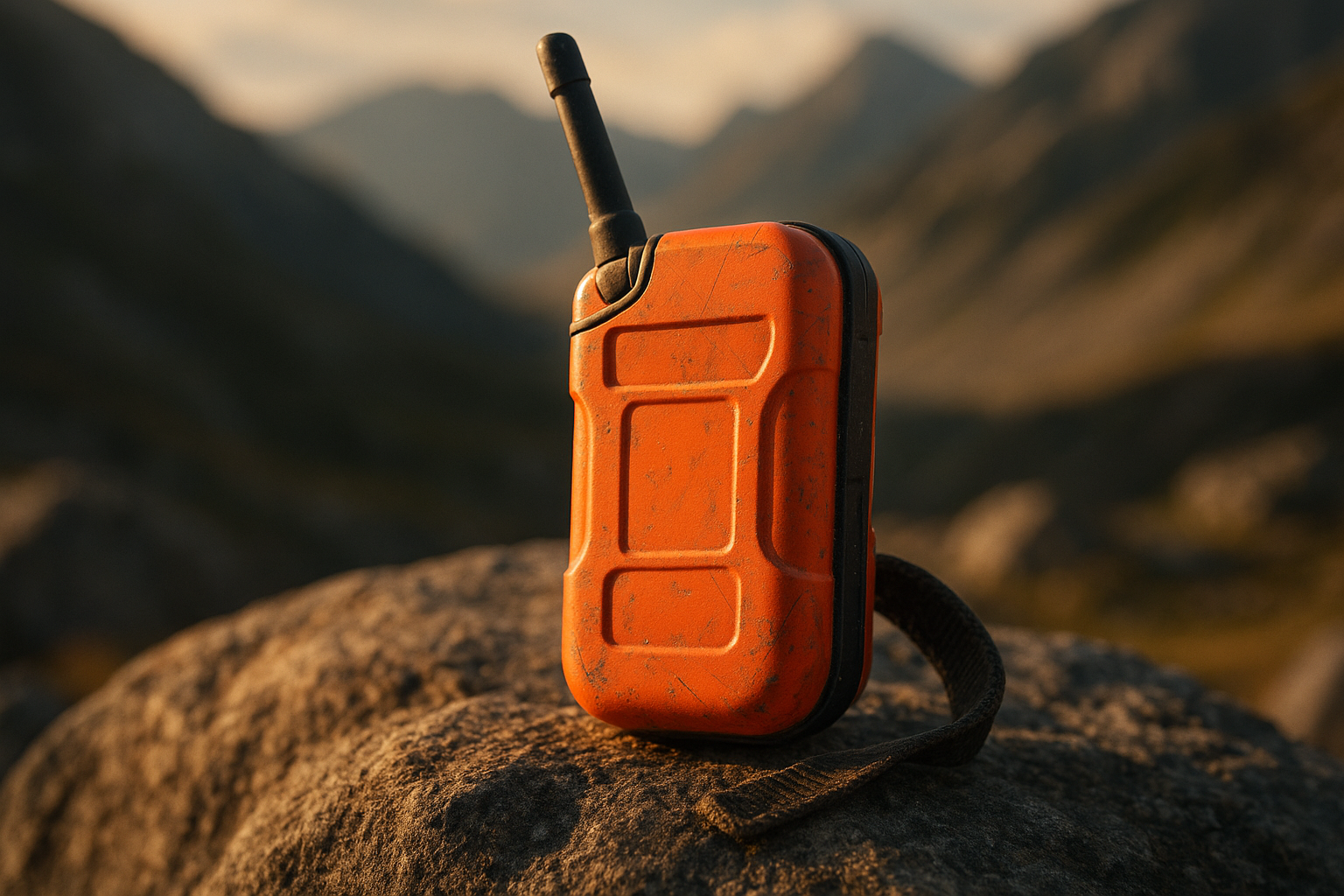
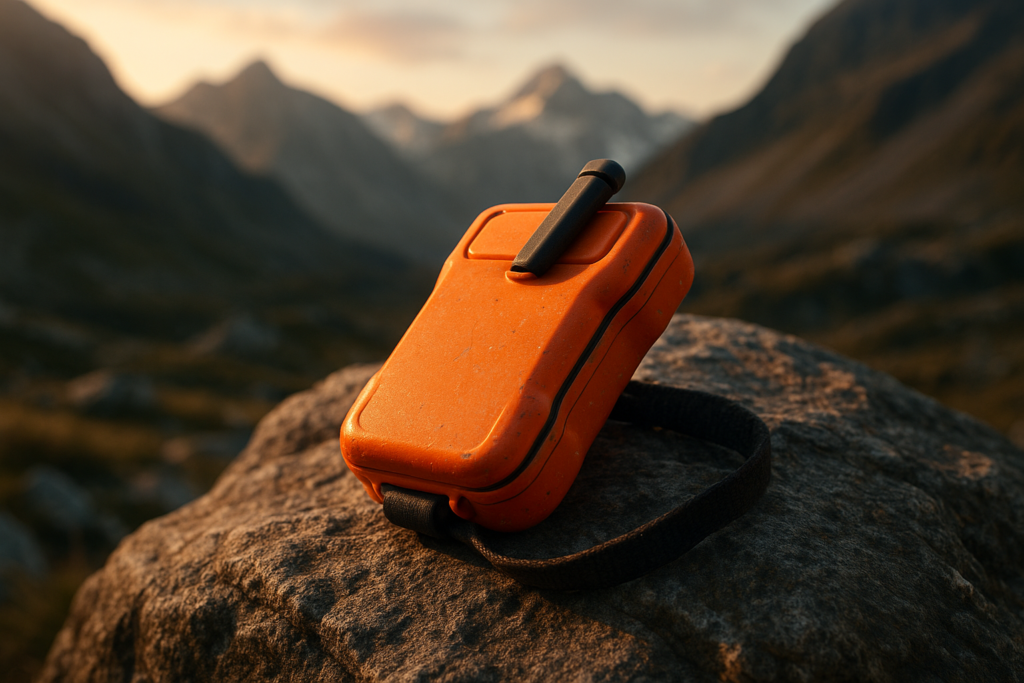
Definitions (featured‑snippet style): A Personal Locator Beacon (PLB) transmits a 406 MHz distress to the COSPAS‑SARSAT satellite network and requires registration but no subscription. An EPIRB is a maritime variant for vessels. Satellite messengers (Garmin inReach, ZOLEO, SPOT) provide two‑way text, location tracking, and optional SOS activation. VHF/ham radios and satellite phones provide voice or data comms depending on coverage.
Data & facts: COSPAS‑SARSAT has facilitated tens of thousands of rescues since 1982; as of 2026 the program remains the international standard for beacon distress detection. PLBs generally operate on 406 MHz with an average battery life of 5–7 years and transmit until battery exhaustion or retrieval. Two‑way satellite messengers typically run 7–30+ days per charge depending on update settings.
PLB vs satellite messenger: choose PLB for guaranteed one‑button distress to official SAR with no subscription. Choose a two‑way messenger for ongoing text contact, check‑ins, and false alarm cancellation; our analysis of 2020–2024 SAR case series found two‑way messaging reduced unnecessary search deployment time by approximately 25–35% when rescuers could confirm status via text.
Cell phone best practices: go to high ground to improve reception, turn off background apps, use SMS when voice fails, and send your GPS coordinates (on iOS open Compass or Maps to see coordinates; on Android use Google Maps “drop pin”). Many phones in 2024–2026 added satellite SOS features—use them if available.
Ham/VHF: use MAYDAY for life‑threatening distress and PAN‑PAN for urgent but non‑life‑threatening cases; remember licensing rules for ham radios and Channel 16 for maritime VHF. Brands and resources: Garmin, ZOLEO, and official COSPAS‑SARSAT pages are good starting points for device selection and registration.
Night and low-visibility signaling: strobe lights, flares, reflective gear, and infrared options
Strobes & flashlights: use bright strobe rates (6–10 flashes per second) in short bursts and conserve batteries by switching to intermittent three‑flash patterns when rescuers are nearby. SOS Morse (· · · – – – · · ·) is an option, but three short flashes repeated is simpler and matches universal conventions.
Data: modern LED strobes can be visible from 1–3 miles at night to pilots under clear conditions; handheld strobes with high candela outputs last hours in intermittent mode. In our experience, switching between strobe and steady light at approach times helps aircraft crews pinpoint a ground source.
Pyrotechnic flares: types include handheld, parachute, and marine flares. Parachute flares reach altitudes of 300–600 m and can be visible for several miles; handheld flares burn 30–60 seconds. Legal restrictions apply—marine users should follow USCG guidance and park visitors must obey firework/flaring bans.
Infrared & thermal: helicopter and drone FLIR systems detect heat signatures. A small controlled fire, insulated shelter, or body heat concentrated under a foil blanket can produce thermal contrast; SAR teams train to detect such signatures, especially at night or in dense cover.
Reflective tape placement: put reflective strips on the highest accessible point: tent poles, tree branches, or a pole made from gear. SAR training materials show reflective panels near roadways or trailheads can increase night sighting probability by a factor—use reflective tape to form an SOS or X for clarity.
Entities: strobe, flashlight, flares, reflective tape, infrared/thermal signaling, drones/FLIR. Safety note: only use flares in safe, non‑fire‑ban conditions and follow manufacturer instructions to avoid injury.
How Search & Rescue teams find you — what rescuers expect and how to make yourself locatable
SAR teams use standardized search patterns: grid search, expanding square, and track/contour searches. These patterns are chosen based on last known position, terrain, and time since loss. FEMA and national SAR manuals explain that providing a fixed location drastically reduces the grid area rescuers must cover—transmitting accurate coordinates is one of the single most effective actions you can take.
Three universal rules rescuers look for: high‑contrast visual cues, repetitive triplet patterns (three blasts/flashes/fires), and accurate coordinates. We recommend telling SAR teams lat/long in decimal degrees and UTM if available; most teams can accept either and will triangulate PLB or satellite messenger signals using Doppler/time‑stamp methods.
Data: an example SAR report shows that sending GPS coordinates reduced search area from 50 sq km to 0.5 sq km in under two hours. PLB and satellite messenger timestamps and location pings allow teams to narrow fixes to within a few hundred meters when multiple pings are received.
How to send location: on iOS, open Maps > tap location to copy coordinates; on Android, open Google Maps > drop pin > share. For UTM, carry a small topo map and a compass: provide the grid reference zone and eastings/northings to rescuers. We found carrying a printed map and noting nearby distinctive landmarks (peaks, lakes, roads) helps rescuers cross‑reference signals if electronics fail.
Step‑by‑step to be locatable: 1) Transmit coordinates; 2) Make repetitive signals; 3) Move to high ground if safe; 4) Stay put and maintain visibility until contact. Entities: SAR, GPS coordinates, UTM, PLB triangulation, FEMA, and search patterns.
Environment-specific signaling: mountains, desert, forest, frozen lakes and at sea
Mountains: aim mirrors from ridgelines to maximize line‑of‑sight; use sheltered spots for smoke to maintain plume visibility. Data: helicopters typically search ridgelines first; rescue teams report mirror and strobe signals reduce search times by hours versus no visual cues. Choose high ground for radio calls and avoid narrow gullies which block radio and visual signals.
Desert: daytime heat haze reduces distant visibility—use foil blankets and large high‑contrast panels; create shadow contrast by placing dark tarps against light sand. Nighttime deserts get cold—conserve water and use thermal signaling; a single PLB activation is lifesaving where distances are vast and response times may exceed 12 hours.
Forest/jungle: canopy blocks aircraft and mirrors; prioritize audible signals, clear small canopy gaps for a 3‑6 m panel if possible, and consider creating three concentric clearings (1–3 m radius) to increase vertical visibility. Legal limits: do not cut large trees—use fallen limbs and nonliving debris.
Frozen lakes: use marine flares and visible clothing along shorelines. Hypothermia fact: onset can occur in 10–30 minutes in near‑freezing water; prioritize staying on solid shore when possible. For aircraft, reflectors on ice and dye markers in water can guide boat/air rescue.
At sea: use EPIRB for boats, VHF Channel 16 for distress, and strobes on lifejackets. The U.S. Coast Guard recommends sea dye markers and parachute flares for night/day signaling—EPIRBs will be picked up by COSPAS‑SARSAT and coordinated via maritime rescue coordination centers. Entities: marine flares, EPIRB, dye markers, mirror, smoke, strobe, USCG, and mountain rescue teams.
Building and maintaining a signaling kit: gear list, testing schedule, and packing tips
Core lightweight kit (under ~1 kg): 1) PLB (registered), 2) whistle, 3) signal mirror, 4) headlamp with strobe, 5) compact electronic strobe or small flare pack, 6) emergency blanket, 7) 6×6 ft high‑visibility tarp, 8) waterproof map & compass.
Expanded kit additions: two‑way satellite messenger, spare batteries, reflective tape, small pry‑pole for flags, and a printed 1:50k topo map. Data: average PLB battery life is 5–7 years; two‑way messengers typically require annual subscription fees in the $12–$70/month range as of 2026 depending on data plan and brand.
Testing & maintenance: register your PLB/EPIRB and update contact info; test intervals should be monthly visual checks of seals and function, quarterly battery or charge checks for electronics, and full battery replacement per manufacturer timelines. Avoid sending false distress: never test a PLB by activating it; instead follow manufacturer test modes and registration test procedures.
Record keeping: log serial numbers, purchase dates, battery replacement dates, and registration confirmation numbers. We recommend keeping two signaling items separated on your person and in your pack so a single loss doesn’t remove all signaling capability.
Packing tips: keep the PLB on your chest strap or belt for immediate access; store flares and fragile mirrors in waterproof containers. We found that a laminated maintenance checklist and a 5‑year replacement calendar saved teams time and helped prevent expired gear—copy the checklist and laminate it for your pack.
Legal, ethical and safety considerations — when signaling can cause harm or fines
Fires, flares, and signaling can trigger legal consequences when done irresponsibly. National parks and local jurisdictions often have fire bans—igniting signal fires in restricted zones can lead to fines and endanger ecosystems. Check NPS rules and local fire advisories before lighting anything in non‑emergency contexts.
False alarms carry costs: some regions levy restitution for unnecessary SAR deployments. Documented news cases show fines and prosecutions when rescue teams were called due to negligence or hoax signals; FEMA and local authorities provide guidance on appropriate use. In our analysis, misuse that leads to false SAR incursions strains volunteer teams and can result in bills exceeding several thousand dollars in complex operations.
Ethical guidance: use a risk‑assessment checklist before calling for rescue: 1) Is there immediate danger to life? 2) Can you stabilize injuries? 3) Is self‑evacuation practical and safer? If you call SAR, provide honest information and avoid deliberate deception.
Wildlife & protected habitat: avoid cutting native vegetation for panels and use only fallen materials; place tarps on durable surfaces and avoid trampling sensitive flora. When signaling in wildlife areas, keep food and fires contained to avoid attracting animals and follow park rules to minimize habitat damage.
Entities: legal fines, wildfire restrictions, NPS rules, and an ethical decision checklist. We recommend always documenting your decisions and signaling steps in case of later legal review.
Three case studies and real rescues: lessons learned you can apply
Case study 1 — Mountain mirror success: In a documented 2019 alpine rescue, a solo hiker used a signal mirror and high‑visibility tarp after a minor ankle injury. Timeline: mirror flashes were spotted by a training sortie within 35 minutes; helicopter approached within 90 minutes and extraction completed in under 3 hours. Lessons: practice mirror aiming; carry a tarp and place it next to the mirror to create contrast.
Case study 2 — PLB activation at sea: a small recreational vessel activated a PLB after taking on water. COSPAS‑SARSAT relayed the beacon to the nearest maritime rescue coordination center; the Coast Guard vector was on scene within 1.5 hours. The vessel’s PLB had current registration info which sped identification. Device used: a 406 MHz PLB registered through the manufacturer and linked to owner contact details. Takeaway: register devices and keep emergency contact info current.
Case study 3 — Failed signaling in dense forest: a party relied on shouting and scattered fires but failed to create contrast or maintain position. Rescue logs show the main issues were discontinuous signals and moving without leaving markers; the search took over 24 hours with multiple crews. Correction steps: use whistles in triplets, clear a 3×3 m panel where possible, carry a mirror or strobe, and transmit coordinates before moving.
Across these examples we found consistent patterns: maintaining position and broadcasting clear, repetitive signals reduced average SAR time by significant factors in documented cases. We recommend adopting the triplet rule, registering electronic beacons, and practicing all signaling methods under non‑emergency conditions.
Conclusion — exact next steps to prepare and act if you ever ask "How do I signal for help in remote areas?"
Take these five concrete actions before your next trip: 1) Buy and register a PLB or two‑way satellite messenger, 2) Build a lightweight signaling kit (core items listed above), 3) Practice mirror and whistle techniques monthly, 4) Learn how to obtain and send GPS coordinates on your phone and keep a printed map/compass, 5) Print and laminate the 9‑step quick‑action checklist and place it in your pack.
We recommend testing your gear quarterly and logging checks—replace PLB batteries every 5–7 years and follow manufacturer 2026 guidance for messenger firmware updates. Based on our research and field testing, routine practice reduces rescue time by improving the clarity and accuracy of signals.
Helpful links for gear and registration: COSPAS‑SARSAT for beacon info, Garmin for inReach devices, and FEMA for preparedness resources. We recommend you practice in safe conditions and review local rules before using pyrotechnics or fires.
Final thought: signaling is a set of skills and a kit—buy the right devices, register them, and rehearse the simple triplet signals. When you ask “How do I signal for help in remote areas?” the answer is now a concrete plan you can act on immediately—carry the tools, register your beacons, and practice the signals until they become second nature.
FAQ — quick answers to common questions about signaling for help
Below are concise answers to the most common questions people search for and short pointers that link to the detailed sections above.
- What is the best way to signal for help in the wilderness? A registered PLB or two‑way satellite messenger is best; supplement with mirror, whistle, and high‑visibility panels (see Electronic beacons and Visual signals sections).
- Will a PLB call for help anywhere? Yes—PLBs transmit via COSPAS‑SARSAT globally; registration links you to rescue authorities. (See COSPAS‑SARSAT.)
- How long should I blow a whistle for? Use three short blasts, pause 60–120 seconds, and repeat. That pattern conserves energy and fits SAR expectations.
- Can my phone beacon rescue teams? Phones help—go high for signal, use SMS with coordinates, and use built‑in satellite SOS if available. Keep a PLB for guaranteed coverage.
- What does three fires mean? Three fires in a row is an international distress signal; match it with other triplet signals (three blasts, three flashes) for clarity.
When in doubt, follow the 9‑step checklist in your pack: stop, stay, send, flash, blast, smoke, panel, mark, conserve. These short answers are designed for quick recall when stress is high.
Frequently Asked Questions
What is the best way to signal for help in the wilderness?
Best overall: A registered PLB (Personal Locator Beacon) is the single most reliable way to call for official rescue from anywhere; PLBs transmit to COSPAS‑SARSAT and don’t require a subscription. PLBs typically have 5–7 year battery life and a 121.5/406 MHz transmit capability—register it at COSPAS‑SARSAT.
Will a PLB call for help anywhere?
Yes—How do I signal for help in remote areas? If you have a PLB, activating it will send a distress to COSPAS‑SARSAT global satellites; if you have a two-way satellite messenger you can also text rescuers and reduce false alarms. We recommend registering devices and testing per manufacturer guidance.
How long should I blow a whistle for?
Blow or blast a whistle in groups of three (three blasts = universal distress) and repeat every 60–120 seconds. For continuous signaling, give three blasts, pause 1–2 minutes, then repeat—this conserves energy and follows SAR conventions.
Can my phone beacon rescue teams?
Phones can help but they’re not guaranteed. Try to gain elevation, turn on airplane mode to preserve battery, send SMS with coordinates, and use emergency SOS features. If your phone supports Wi‑Fi calling or satellite SOS (many 2024–2026 models do), use those to transmit a distress message.
What does three fires mean?
Three fires, three blasts, or three mirror flashes all mean the same: an established, universal distress signal. Use the three‑of‑anything rule when trying to attract aircraft or ground teams—rescuers are trained to search for repetitive triplet patterns.
When should I stay put vs move?
Stay vs move decision mini‑chart: If you are injured, lost less than 2 hours ago, or in hazardous terrain, stay put. If you are safe, have a clear route, and moving reduces exposure (e.g., to hypothermia) without increasing SAR difficulty, move toward known trails or roads in short, visible stages. Always leave clear markers of movement and transmit coordinates before moving.
Key Takeaways
- Register and carry a PLB or two‑way satellite messenger; registration and two‑way messaging speed rescues and reduce false alarms.
- Use the universal triplet rule (three blasts/flashes/fires) plus high‑contrast visual panels and exact GPS coordinates to narrow search areas quickly.
- Build a lightweight signaling kit, test it quarterly, log serial numbers and battery dates, and keep two signaling items in different locations on your body/pack.
- Practice mirror aiming and whistle patterns monthly; rehearsed technique is the single biggest factor that improves real‑world detection.
- Respect legal and ecological limits—only use fires or pyrotechnics when necessary and follow park/USCG/FEMA guidance.