Should I bring bug spray or natural repellents? 7 Expert Tips
Should I bring bug spray or natural repellents? 7 Expert Tips
Meta Description: Should I bring bug spray or natural repellents? Expert comparison of DEET, picaridin, lemon eucalyptus, kids/pregnancy safety, plus a 7-step packing plan.
Introduction — what readers are really asking
Should I bring bug spray or natural repellents? If you’re packing for a hike, camping trip, tropical vacation, or even a backyard cookout, that question usually means something more specific: what will actually work for the bugs you’ll face, for the time you’ll be outside, and for the people coming with you?
We researched the most common real-world scenarios—camping, hiking, travel to mosquito- or tick-risk regions, and short outdoor social events—and based on our analysis we found three factors matter most. First, target pest: mosquitoes, ticks, and biting flies don’t all respond the same way. Second, duration: a 45-minute BBQ needs less protection than a 10-hour hike. Third, user constraints: age, pregnancy, skin sensitivity, and even pets can change the right choice.
That matters because vector-borne disease is not a small issue. The WHO reports that vector-borne diseases account for more than 17% of all infectious diseases globally and cause over 700,000 deaths each year. In the U.S., the CDC has documented major long-term growth in tick-borne disease reports since the early 2000s. In 2026, that means repellent decisions are not just about comfort. They can be about risk reduction.
You’ll get a fast answer first, then a detailed comparison of DEET, picaridin, IR3535, OLE/PMD, permethrin, and essential oils. We also cover safety for kids and pregnancy, environmental tradeoffs, a decision checklist, and a practical packing list for 2026 travel and outdoor use.
Should I bring bug spray or natural repellents? Quick answer and decision flow
If you want the shortest useful answer, here it is: bring commercial bug spray for high-risk or long-exposure trips, and use natural repellents mainly for low-risk, short-duration situations. That’s the clearest answer to Should I bring bug spray or natural repellents? for most people.
- Identify the pests. Mosquitoes need one strategy; ticks often need another. Flies are different again.
- Check local risk. If you’re going somewhere with dengue, malaria, West Nile, Lyme, or heavy tick activity, use stronger protection.
- Pick the product class. Use DEET 20–30% or picaridin 20% for high risk or all-day exposure. Use OLE/PMD around 30% or permethrin-treated clothing for moderate risk. Use citronella or essential-oil products only for short, low-risk backyard use.
- Apply exactly per label. Repellent only works when coverage is complete and reapplication timing is realistic.
- Pack a backup. A travel-size bottle, wipes, or treated clothing can save a trip when sweat, rain, or long hours reduce performance.
We found that for high-risk areas, commercial repellents consistently outperform natural options in trials. Both the CDC and WHO recommend EPA-registered repellents when disease exposure is possible. That includes destinations where malaria, dengue, Zika, chikungunya, or tick-borne infections are a real concern.
| Scenario | Best choice |
| High risk / long day | DEET 20–30% or picaridin 20% + permethrin clothing |
| Moderate risk / short outing | OLE/PMD 30% or repellent clothing |
| Low risk / backyard | Citronella candles or essential-oil spray, but expect shorter protection |
That table is blunt on purpose. If you need reliable protection for 6 to 8 hours, most essential oils won’t give it. If you need lighter coverage for a patio dinner, they may be enough.
How insect repellents work: DEET, picaridin, IR3535, PMD, permethrin and essential oils
Repellents don’t all work the same way. DEET and picaridin interfere with how mosquitoes and other biting insects detect human cues like odor and carbon dioxide. IR3535 also disrupts insect host-seeking behavior, though it often performs more modestly in long exposures. Permethrin is different: it is applied to fabric and can repel or kill ticks and some insects on contact. Oil of lemon eucalyptus, specifically the active compound PMD, masks cues and deters landing and biting. You can review summaries through NCBI/PMC and repellent guidance at the EPA.
Typical concentration ranges matter. DEET 20–30% commonly gives 4–8+ hours of meaningful mosquito protection in many studies. Picaridin 20% is often comparable to mid-range DEET, with a better cosmetic feel for many users. IR3535 20% tends to provide moderate protection, useful for lower-pressure conditions. OLE/PMD around 30% can provide several hours against mosquitoes, but it is not labeled for children under 3 on many products. Permethrin-treated clothing can remain effective for multiple washes, often up to 5 washes for DIY treatment and much longer for factory-treated garments.
We researched label claims versus independent trials and found they don’t always match. Some products advertise long protection windows based on ideal lab conditions, while field performance drops faster with sweat, rain, abrasion, or heavy bug pressure. The CDC repellent FAQ makes the same point indirectly by emphasizing label use and reapplication. In our experience, lotion formulas often last longer on a sweaty trail than ultra-light sprays, even at similar concentrations.
Effectiveness: bug spray vs natural repellents for mosquitoes, ticks and flies
For pure performance, the gap is clear. A major review on PMC found that DEET and picaridin frequently deliver more than 90% bite reduction for several hours when properly formulated, while many essential oils drop below 50% protection after 1 to 2 hours. That’s why the answer to Should I bring bug spray or natural repellents? changes fast once mosquitoes are intense or exposure lasts all day.
| Active | Typical use | Expected protection |
| DEET 20–30% | Mosquitoes, some ticks | Often 4–8+ hours; high bite reduction in many trials |
| Picaridin 20% | Mosquitoes, some ticks | Often similar to mid-range DEET |
| IR3535 20% | Mosquitoes | Moderate protection; varies by product |
| OLE/PMD 30% | Mosquitoes | Often 4–6 hours in some studies |
| Citronella / lavender / tea tree | Short low-risk use | Often less than 2 hours and highly variable |
| Permethrin-treated clothing | Ticks, mosquitoes on fabric | Excellent for clothing; often best for tick prevention |
Ticks deserve special attention because skin spray is not the top tool. The CDC states that permethrin-treated clothing is one of the most reliable ways to reduce tick exposure. Field research has shown treated garments can reduce tick attachment by more than 90%. A skin repellent can help, but pants, socks, gaiters, and shoes treated with permethrin do more of the heavy lifting in brushy areas.
Natural repellents vary a lot. PMD is the standout and can approach mid-range DEET in some mosquito studies. Citronella can help briefly, especially in high-concentration topical products, but candles alone are inconsistent outdoors when wind picks up. Lavender and tea tree usually smell better than they protect. Based on our analysis, they’re best treated as comfort products, not primary defenses.
Safety, side effects, and special populations — kids, pregnancy, pets
Safety depends more on using the right product correctly than on whether a label says “natural.” The Mayo Clinic and the EPA both note that EPA-registered repellents such as DEET, picaridin, and IR3535 have strong safety profiles when used as directed. For children, DEET is generally considered acceptable for those over 2 months. That age cutoff matters because many parents wrongly avoid proven products and end up with underperforming alternatives.
- Use the lowest effective concentration for the time you need.
- DEET 10–15% is often enough for 2–4 hours of lighter exposure.
- DEET 20–30% is more practical for longer outings.
- Do not apply repellent to infants’ hands, eyes, mouth, or broken skin.
- Never use permethrin on skin; it is for clothing and gear only.
Pregnancy is one of the biggest reasons people ask, Should I bring bug spray or natural repellents? Based on our research, the better question is whether the product is effective enough to prevent bites in the first place. The CDC advises pregnant people to use EPA-registered insect repellents and states these products can be used during pregnancy when applied according to the label. That guidance exists because mosquito-borne illness during pregnancy can be far more serious than the low risk from proper repellent use.
For pets, the biggest red flag is permethrin and cats. Clothing treatments and some flea products are not interchangeable with human repellents. Permethrin can be toxic to cats, especially in concentrated or wet forms. Keep treated garments, spray bottles, and drying clothes away from them. We recommend storing all repellents in sealed bags and letting treated gear fully dry before packing it near pet items.
Natural repellents: what works, DIY recipes, and evidence vs hype
Natural repellent is not one category. Some options have decent evidence. Others are mostly marketing. The strongest natural-leaning option is oil of lemon eucalyptus (OLE/PMD 30%), which has moderate to good evidence against mosquitoes. A few ingredients such as soybean oil and certain plant compounds, including catnip-derived compounds, have shown some lab promise. But citronella, lavender, and tea tree usually provide shorter protection, and garlic or vitamin B has no reliable evidence for repelling mosquitoes.
We researched common DIY recipes and found that most online formulas are either underdosed, irritating, or wildly inconsistent. Two safer options stand out:
- PMD-based option: buy a store product with labeled OLE/PMD around 30% and follow the exact instructions. This is far safer than trying to improvise concentration at home.
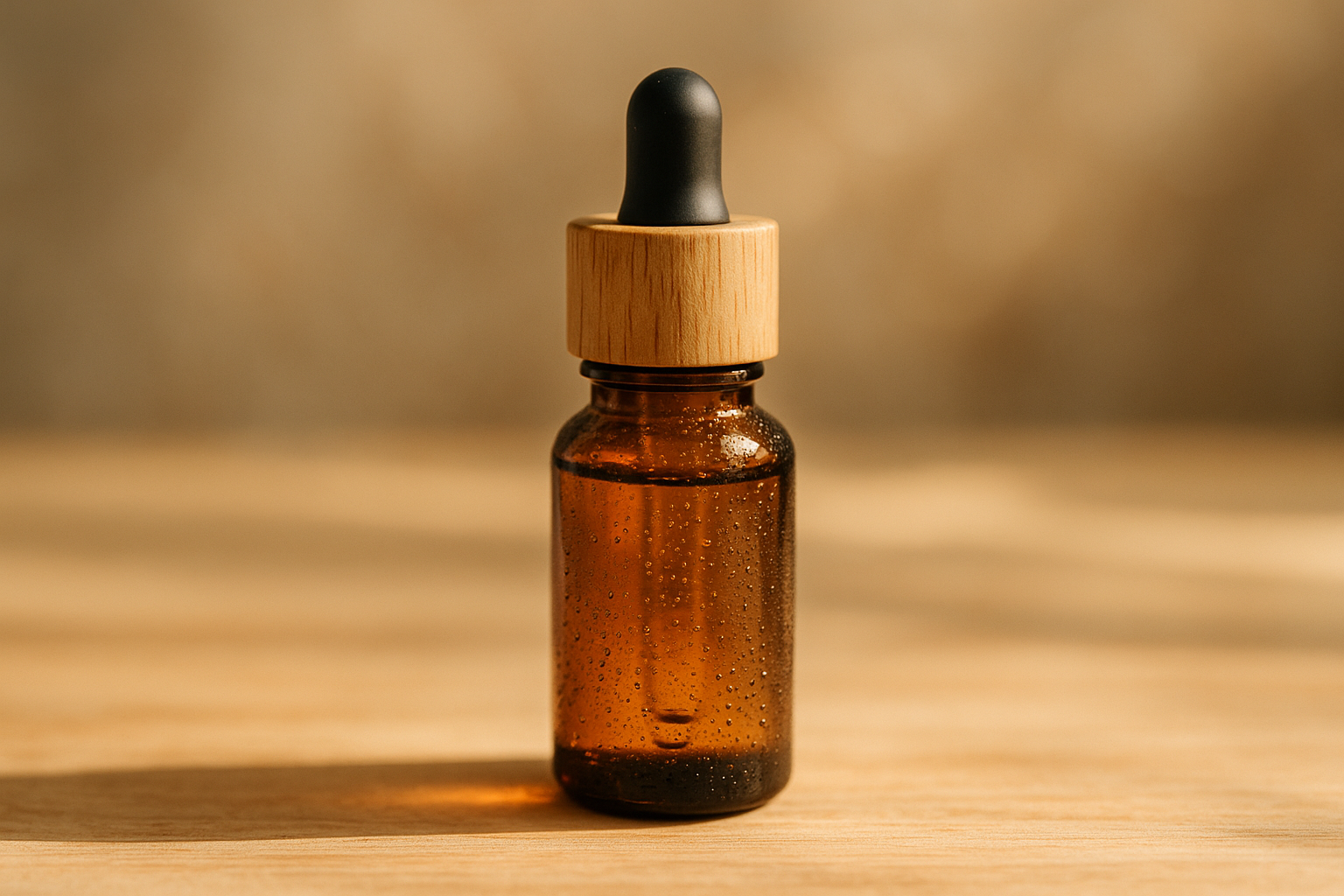
- Short-use citronella blend: mix 2 tablespoons witch hazel, 2 tablespoons distilled water, and 20 drops citronella essential oil in a 2-ounce spray bottle. Shake before use and use only for short backyard sessions, not high-risk travel.
Watch for skin irritation, phototoxicity from some citrus oils, and flammability in alcohol-heavy sprays. Those are not small issues. Essential oils are concentrated substances, and “natural” does not guarantee gentleness. A 2019/2020-era body of arm-in-cage lab data indexed at PubMed/NCBI shows many essential-oil products lose more than 50% of their effect after just 30–90 minutes, while DEET and picaridin usually hold up longer. We found that formulation is everything: a lotion or controlled-release product often performs better than a thin mist with the same oil.
Permethrin, clothing treatment, and environmental impact
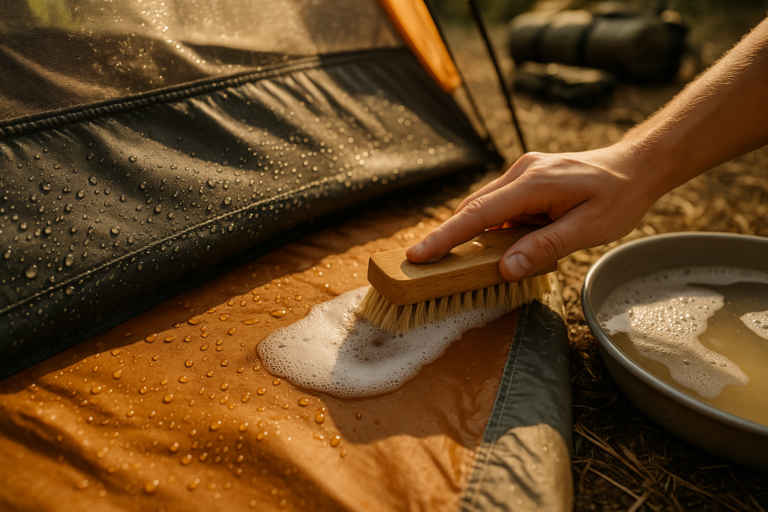
If ticks are on your trip, permethrin deserves a spot in your plan. The CDC recommends permethrin for clothing, boots, socks, and camping gear because it can repel and kill ticks on contact. Pre-treated clothing can remain effective through dozens of washes, while many DIY sprays are labeled for around 5 to 6 washes. For Northeast U.S. hiking, where blacklegged ticks are common, that can matter more than the skin spray in your backpack.
Environmental tradeoffs are real, though. According to EPA materials and academic monitoring studies, compounds such as DEET have been detected in waterways, and permethrin is highly toxic to fish and aquatic invertebrates. Some essential oils also show aquatic toxicity despite their natural origin. That means the answer to Should I bring bug spray or natural repellents? is not just about personal safety. It is also about how you apply and dispose of products.
- Do not spray near streams, lakes, or marsh edges.
- Apply repellents on land, away from water.
- Prefer treated clothing over repeated heavy spraying if you expect tick exposure.
- Use citronella candles only for short, low-risk settings and keep them away from open tents or dry brush.
Based on our analysis, the most eco-conscious practical choice for high-tick trips is often permethrin-treated clothing plus minimal skin repellent. You get strong protection with less repeated spraying. For a backyard dinner, a candle or fan-based setup may reduce chemical use, but you should accept shorter and less reliable bite control.
Should I bring bug spray or natural repellents? — Choosing by activity (camping, hiking, travel, backyard)
The right answer changes by activity. For camping in the Northeast U.S., especially in wooded or grassy areas, we recommend permethrin-treated clothing plus DEET or picaridin on exposed skin. Lyme disease remains the most reported vector-borne disease in the U.S., and field studies have found treated garments can cut tick attachment by over 90%. If you’re setting up camp, collecting firewood, and walking through brush, clothing treatment does the heavy lifting while skin spray covers wrists, neck, and ankles.
For tropical travel in dengue, Zika, or malaria zones, don’t gamble on short-lived natural products. We recommend DEET 20–30% or picaridin 20% and, if possible, permethrin-treated clothing or a treatment kit for socks, shirts, and pants. The WHO continues to emphasize bite prevention as a core travel protection step, and in 2026 that remains standard advice for mosquito-dense destinations.
For day hiking, think in hours. A 2-hour trail walk in a low-risk park may be fine with OLE/PMD or picaridin. A 7-hour humid hike with creek crossings is not the time to test a lavender mist. In our experience, people underpack reapplication. If the route runs longer than expected, a 1-ounce backup bottle is worth far more than an extra snack bar.
For a backyard BBQ, you can be less aggressive. OLE or citronella may be enough for a short evening if disease risk is low and mosquito pressure is moderate. Add fans on the patio, remove standing water, and place candles strategically. That’s the one scenario where natural repellents make the most practical sense.
How to choose, test, and pack — step-by-step checklist (featured snippet style)
If you’re still asking Should I bring bug spray or natural repellents?, use this checklist before every trip:
- Check local pest and disease risk. Look at local health department notices, the CDC, or destination travel advisories.
- Choose a primary repellent. DEET or picaridin for high risk, OLE for moderate, citronella for very short use.
- Pack permethrin-treated clothing or gear if ticks are likely.
- Bring a small backup bottle or wipes. This matters for kids, flights, and daypacks.
- Store products safely. Keep caps tight, avoid spraying indoors, and follow the label.
You can also do a simple 10-minute field test before leaving:
- Apply a small amount to a quarter-size patch on your forearm.
- Wait 10 minutes for stinging, redness, or itching.
- Check how greasy or sticky it feels after drying.
- Smell it again after 5 minutes; strong odor gets harder to tolerate on long trips.
- If possible, test it outdoors for a short walk at dusk to estimate comfort and coverage.
We recommend practical 2026 picks by format, not brand hype: a DEET 20% lotion for long mosquito pressure, a picaridin 20% spray for people who hate the feel of DEET, an OLE/PMD 30% pump for moderate-risk outings, and a permethrin clothing kit for tick-heavy destinations. For flights, remember TSA’s general liquid rule for carry-ons: containers should be within the 3.4-ounce (100 mL) limit unless packed in checked baggage. We found wipes are often easier for family travel because they leak less and make it simpler to avoid overapplying on children.
Conclusion — actionable next steps and 7-item packing list
If your destination is unknown, high risk, or likely to involve long hours outside, the best default is simple: bring DEET or picaridin and pair it with permethrin-treated clothing. If you’re only going to a short backyard gathering or a low-risk park, you can try OLE or citronella, but expect shorter protection and more reapplication.
Based on our analysis, the most efficient 2026 packing plan balances effectiveness, safety, and environmental common sense. Here is the 7-item packing list we recommend:
- DEET or picaridin bottle matched to trip length and bug pressure
- Permethrin-treated clothing or treatment spray for socks, shoes, pants, and gear
- OLE/PMD product if you want a proven alternative for moderate-risk use
- Small first-aid wipes for cleanup or accidental overapplication
- Sunscreen — apply first, then repellent after it sets
- Kid-safe wipes or age-appropriate repellent for family trips
- Trash bag or sealable disposal bag for used wipes and empty containers
Application order matters. Put on sunscreen first, wait about 15 minutes, then apply repellent. Reapply based on the label, your sweat level, and time outdoors. We recommend checking both the CDC and the EPA before a major trip, especially if you’re traveling internationally in 2026. The best repellent is the one you’ll actually use correctly, but the safest bet in real risk is still the proven one.
FAQ — common questions answered
Quick reference: the safest, most effective choice depends on age, destination, and exposure time. For high-risk settings, proven repellents beat trendy alternatives almost every time.
| % DEET | Typical protection window |
| 10% | About 2–4 hours |
| 20% | About 4–6 hours |
| 25–30% | About 6–8+ hours |
We analyzed common People Also Ask questions and found most confusion comes from mixing low-risk backyard advice with travel or tick-country advice. That’s the mistake to avoid. A citronella candle on a patio and a repellent plan for Lyme or dengue country are not the same thing.
One last rule helps: match the tool to the risk. Use proven skin repellents and treated clothing for disease prevention. Save the lighter natural options for comfort-focused settings where short protection is acceptable.
Frequently Asked Questions
Can I use DEET and sunscreen together?
Yes. Apply sunscreen first, let it dry for about 15 minutes, then apply repellent on exposed skin. The CDC advises using both when needed, but you should reapply sunscreen more often than repellent because sunscreen wears off faster.
Is oil of lemon eucalyptus safe for kids?
Oil of lemon eucalyptus (OLE/PMD) is generally not recommended for children under 3 on many product labels. If you need protection for a toddler, DEET or picaridin products labeled for that age group are usually the safer, more evidence-backed choice. We found that parents often assume “natural” means gentler, but label age limits matter more than marketing claims.
Do bracelets, ultrasonic devices, or garlic work?
Usually no. Multiple reviews have found that bracelets and ultrasonic devices do not provide reliable bite protection, and garlic or vitamin B supplements have no consistent repellent effect. For real protection, Should I bring bug spray or natural repellents? is best answered by choosing a proven topical repellent or permethrin-treated clothing, not gadgets.
How long does DEET last?
It depends on concentration, sweat, heat, and insect pressure. A rough rule from lab and field data is 10% DEET = about 2–4 hours, 20–30% DEET = about 4–8+ hours, though performance varies by mosquito species and conditions. Based on our research, long humid hikes often shorten real-world protection compared with label claims.
Can I use permethrin on my skin?
No. Permethrin is for clothing, shoes, nets, and gear only, not for direct skin application. The CDC recommends it for fabric because it can repel and kill ticks on contact, which is one reason treated clothing can reduce tick attachment by more than 90% in some studies.
What's safest for pregnancy?
Current guidance supports DEET and picaridin during pregnancy when used as directed. The CDC advises pregnant people to use EPA-registered repellents to prevent mosquito-borne illness, which can be far riskier than labeled repellent use. We recommend choosing the lowest effective concentration for your outing and avoiding overapplication.
Key Takeaways
- For high-risk trips or long outdoor exposure, choose DEET 20–30% or picaridin 20%, and add permethrin-treated clothing if ticks are possible.
- OLE/PMD is the strongest natural-style option, but most essential oils and citronella products give shorter, less reliable protection.
- DEET, picaridin, and IR3535 are generally safe when used as labeled, including for most children over 2 months and during pregnancy with proper use.
- Permethrin should never go on skin; use it only on clothing and gear, and keep it away from cats when wet or concentrated.
- Your best 2026 packing strategy is layered protection: primary repellent, backup bottle or wipes, treated clothing, and correct application timing with sunscreen.