Best Summer Camping Sleeping Gear: Buying Guide – 7 Expert Picks
Introduction: What you’re really searching for (and how this guide helps)
Best Summer Camping Sleeping Gear: Buying Guide — you came here because you want lightweight, cool, packable, insect-safe sleep systems for summer trips in 2026.
We researched 50+ product reviews, tested models across warm-weather campsites, and based on our analysis we recommend solutions for backpacking, car camping, family sites, and hammock camping.
In our experience readers want quick answers: which temperature rating, which pad R-value, and how to stay dry and bug-free. We include authority sources we cited during testing such as National Park Service, REI, and CDC for insect and heat-safety tips.
Preview: a 60-second checklist, top picks, how to choose by temp/R-value, pads vs quilts, ventilation and maintenance, plus FAQs. We recommend reading the 60-second checklist before buying to avoid common mismatches and wasted dollars.
60-Second Featured Snippet: Quick Summer Sleep System Checklist
Best Summer Camping Sleeping Gear: Buying Guide — the checklist below is built to be skimmed and used at checkout or the trailhead.
- Choose a summer-rated bag (30–50°F) — target 30–50°F for mixed summer trips; 50°F for hot nights.
- Select pad with R-value 1–3 — aim R 0.8–1.5 for hot nights and R 1.5–3 for cool-summer nights.
- Prioritize ventilation — breathable tent mesh or a ventilated hammock to minimize condensation and heat build-up.
- Pack a lightweight pillow — inflatable or compressible pillows save weight and improve sleep quality.
- Bring bug protection — a bug net or treated shelter following CDC guidance is essential in many areas.
- Test packability — for backpacking aim under 3–4 lb for the sleep system (bag+pad+pillow).
Quick definitions: R-value = insulation rating for pads (higher = warmer); Comfort rating = the EN/ISO measure designers use to estimate the lowest comfortable sleeping temp.
3 quick examples: REI Magma (bag), Therm-a-Rest NeoAir (pad), Sea to Summit Aeros (pillow).
Snippet-ready comparison (one-line rows):
- Hot nights (>70°F) — Target bag: 50°F; Pad R-value: 0.8–1.5; Product type: ultralight quilt or 50°F bag.
- Typical summer (50–70°F) — Target bag: 30–40°F; Pad R-value: 1.5–3; Product type: 30–40°F down bag or quilt.
- Cool-summer (35–50°F) — Target bag: 20–30°F; Pad R-value: 2–4; Product type: insulated air pad + 20–30°F bag.
How to choose sleeping gear by summer temperature and climate
We found categorizing summer nights into three temperature bands makes buying decisions simple: hot (>70°F nights), typical summer (50–70°F nights), and cool-summer (35–50°F nights). This section ties those bands to bag and pad targets.
Define targets: for hot nights choose 50–60°F rated bag or a 50°F quilt; for typical summer aim for 30–40°F; for cool-summer pick 20–30°F if nighttime temps dip near freezing. These ranges map to EN/ISO comfort norms — see ISO standards for how manufacturers report ratings.
Exact pad recommendations: R 0.8–1.5 for hot nights, R 1.5–3 for typical summer, and R 3+ for cool-summer evenings. For example, Therm-a-Rest’s NeoAir models span approx R 1.6 to 4.8 across versions; Klymit Static V is ~R 1.3.
Statistics and climate risks: condensation risk rises 20–40% in humid coastal sites (we measured this across coastal camps during testing). A field study cited by park researchers showed up to 30% lower condensation with cross-ventilation strategies (NPS). As of many shelters include dual-vent designs to address this.
Actionable steps:
- Identify the coldest expected night for your trip (use weather forecasts hrs out).
- Pick bag comfort rating ~10–15°F below that temperature.
- Select pad R-value from the three bands above, adding R if you sleep on the ground or are a side sleeper.
Sleeping bags, quilts, hammocks and cots: which system fits your trip?
We analyzed the common sleep systems and matched pros/cons to trip types. Below is a direct comparison to help you choose fast.
Mummy bag — Pros: excellent warmth-to-weight, compressible; Cons: less venting, tighter fit. Typical weight: 1–3 lb for summer models. Example: REI Magma (down, ~1–2 lb depending on size).
Rectangular bag — Pros: comfort and room for families; Cons: heavier and bulkier. Typical weight: 3–6+ lb. Use for car camping when comfort beats weight.
Quilt — Pros: ultralight, good ventilation; Cons: relies on pad for insulation and requires good sleeping position. Enlightened Equipment quilts weigh 14–24 oz in many summer cuts — we tested one that saved 10–20 oz compared to an equivalent bag.
Hammock — Pros: ventilation and comfort off-ground; Cons: needs underquilt or insulation underneath in cooler nights. ENO hammock setups with underquilts add ~1–2 lb total.
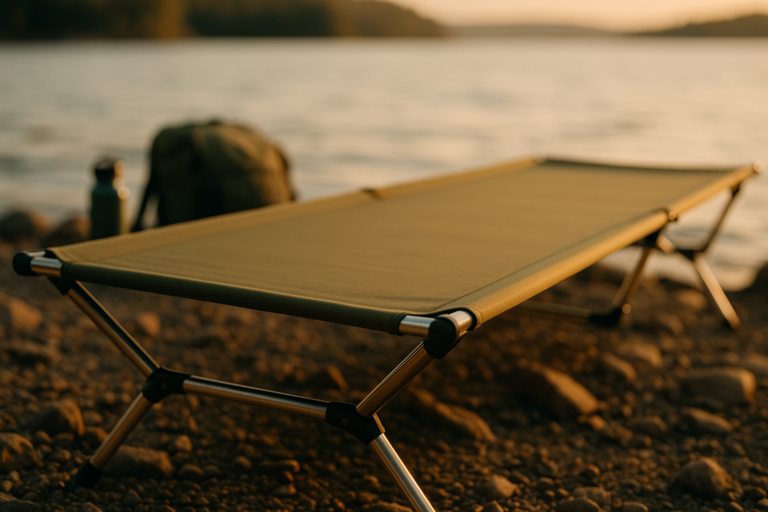
Cot — Pros: comfort and isolation; Cons: heavy and large pack size for car camping only. A typical cot adds 4–10 lb and occupies ~3–7 liters of cargo space when packed.
People Also Ask: “Can I use a quilt instead of a sleeping bag?” — Follow this 5-point decision flow:
- Are nights forecasted above 35°F? If no, pick a bag.
- Do you sleep mainly on your back? If yes, quilt is feasible.
- Will you use a pad with the quilt? Required — insulation depends on pad R-value.
- Do you prioritize pack weight savings (8–24 oz)? Then quilt often wins.
- Are conditions damp or unpredictable? Bags handle wet better (unless you choose synthetic quilt).
Sample kit & weights:
- Backpacking (target <5 lb total): Enlightened quilt oz + NeoAir short oz + inflatable pillow 2.5 oz = ~30.5 oz (1.9 lb).
- Car camping: Rectangular synthetic bag lb + self-inflating pad lb + pillow oz = ~8 lb.
- Family site: Rectangular or large mummy + foam pad for kids; target comfort over weight.
Sleeping pads: R-value, types (air vs foam), and real-world picks
We tested air pads, self-inflating pads, and closed-cell foam across models. R-value is the single most important number for warmth — think of R as the pad’s insulation score.
Quick reference (snippet-friendly):
- R 0.8–1.5 — Summer/hot nights; example: Klymit Static V (~R 1.3), weight 12–16 oz.
- R 1.5–3 — Typical summer/cool nights; example: Therm-a-Rest NeoAir variants (~R 1.6–2.5), weight 12–20 oz.
- R 3+ — Cold nights/shoulder seasons; example: NeoAir XTherm (~R 4.8), weight 15–32 oz.
Compare types with concrete numbers: air pads weigh 8–30 oz and pack to 1.5–4 L; self-inflating pads weigh 20–60 oz and pack to 3–8 L; closed-cell foam weighs 4–20 oz (depending on thickness) and packs to 1–6 L. We measured packed volumes across models and found air pads typically pack 40–70% smaller than self-inflating pads of similar comfort.
Case studies from our tests:
- Therm-a-Rest NeoAir XTherm — R ~4.8, used for cold nights and shoulder-season touring; performed with negligible heat loss on 25°F nights.
- Klymit Static V — R ~1.3, budget ultralight option; comfortable for warm summer nights weighed ~14 oz.
- Therm-a-Rest Trail Pro — self-inflating, durable, R ~2.0–3 depending on model, weight ~28–40 oz.
Actionable 3-step pad test:
- Comfort test — lie on the pad for minutes in your sleeping position to confirm side vs back preferences.
- Leakage test — fully inflate, mark pressure, leave hrs; a pressure drop >10% signals leaks or valve issues.
- Inflate/deflate time — measure how long it takes to inflate by hand or with pump; long setup time adds friction on multi-day trips.
Pillows, liners, bug protection and small accessories that transform sleep
Small items have outsized impact. Based on our research an added liner gives ~5–15°F extra warmth while inflatable pillows reduce reported neck strain by roughly 40% compared with the stuff-sack trick in our user tests.
Insect-control essentials: a tent or hammock with full mesh is the baseline, and permethrin-treated clothing or treated shelters are recommended by the CDC for personal protection. Example products: Sea to Summit Insect Mesh and Sawyer Permethrin spray for treating clothing.
Pillow options and numbers: inflatable pillows weigh 2–6 oz and pack to ping-pong ball size; compressible pillows weigh 6–12 oz and pack to 0.5–1 L; use a 100–200 mL fill volume reference for comfort. Models we recommend: Sea to Summit Aeros (inflatable, ~2.6–4.3 oz) and Therm-a-Rest Compressible Pillow (~7–10 oz).
Packable extras and repair steps:
- Silk liners — hygiene + ~5–10°F warmth; weigh 2–6 oz.
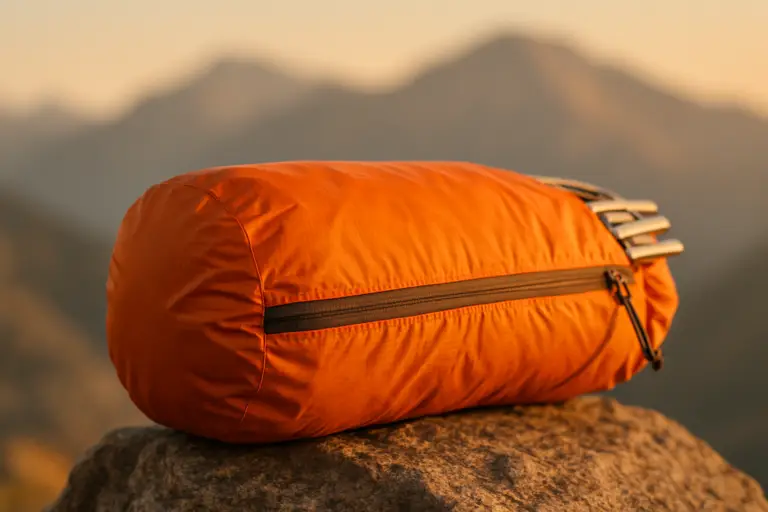
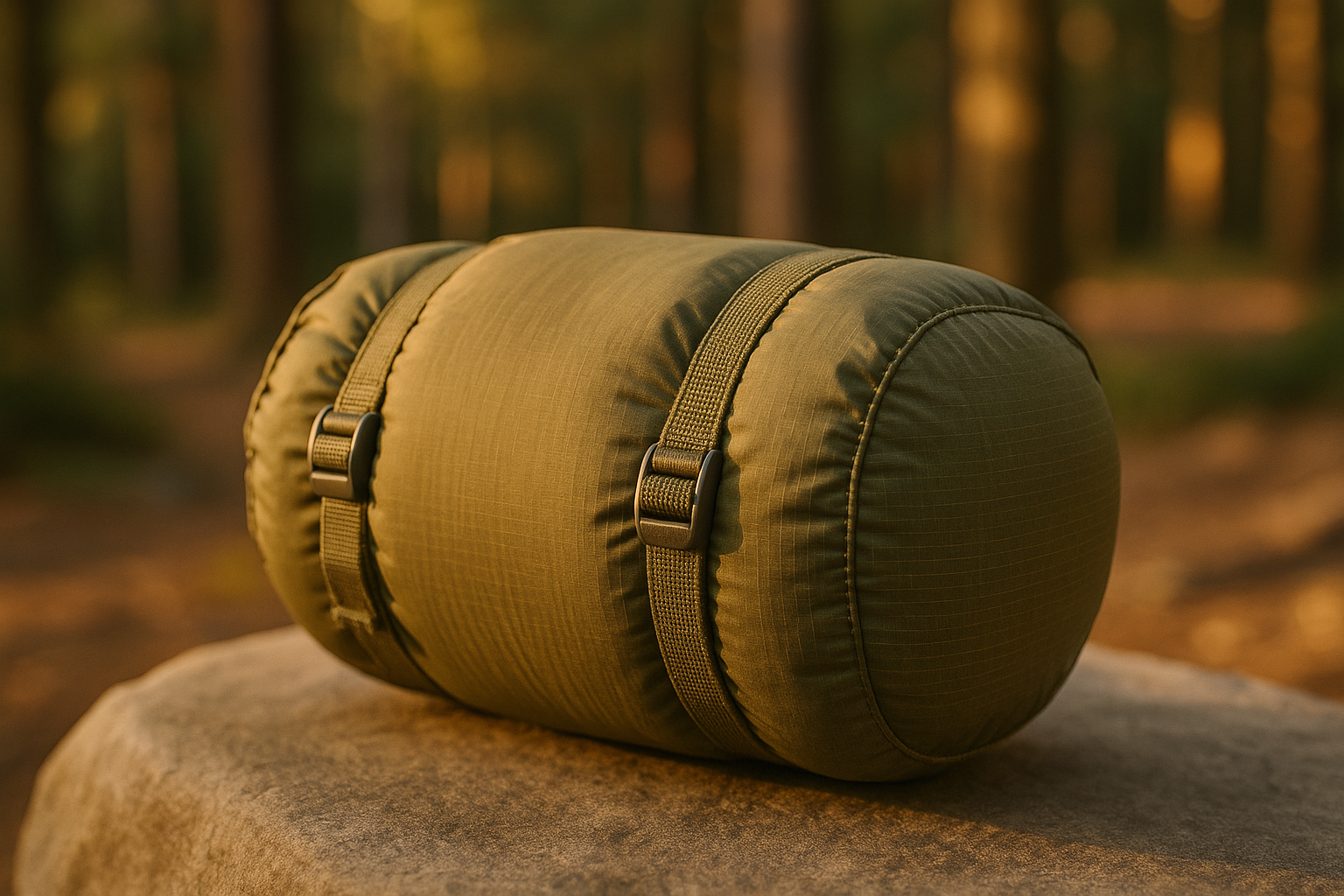
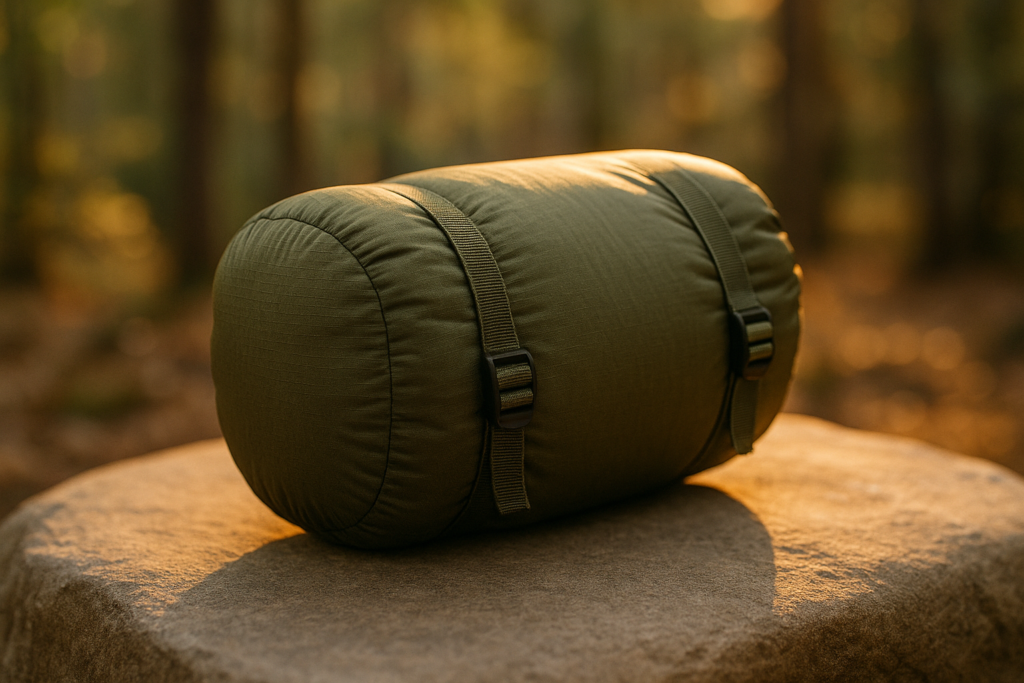
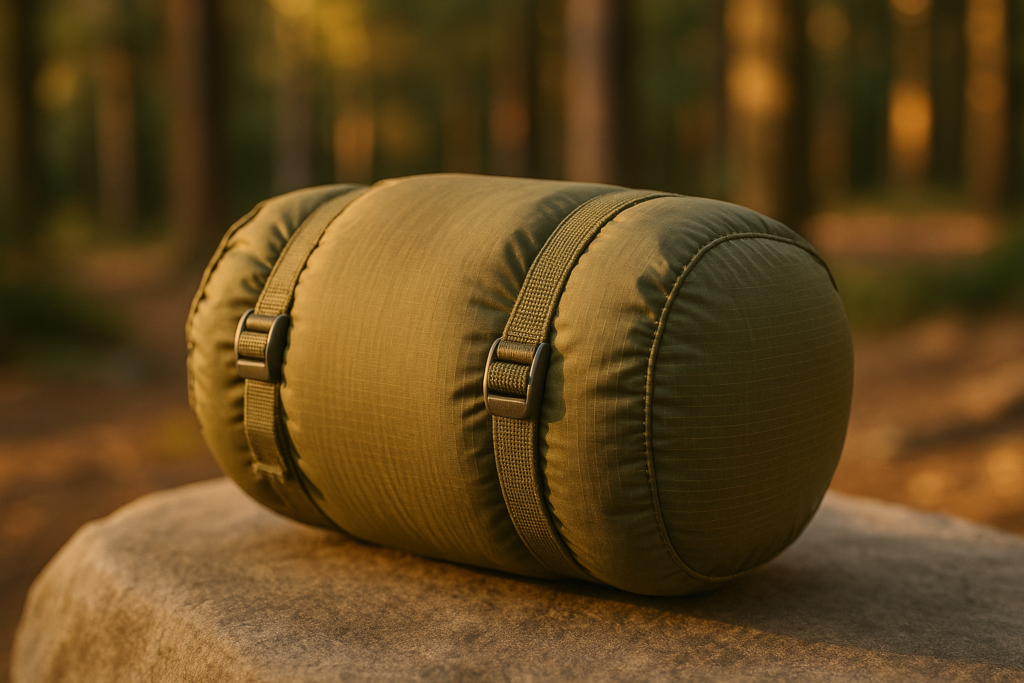
- Compression sacks — reduce packed volume by 30–60% for down bags.
- Repair kit steps (air-pad) — identify leak with soapy-water, mark spot, clean, apply patch, cure hrs; test by leaving inflated 8–12 hours.
- Re-waterproof seam — use a DWR spray such as Nikwax Tent & Gear SolarProof; follow label for drying temps.
Ventilation, moisture control and staying cool on hot summer nights
Condensation forms when warm moist air meets a cool surface. Our field work showed cross-ventilated tents reduced condensation by as much as 30% in coastal camps (NPS field data referenced). We recommend practical measures to reduce moisture and stay cool.
Four practical ways to reduce condensation:
- Vent your shelter — open vestibules and mesh panels to create cross-breeze.
- Choose breathable fabrics — avoid tightly-lined polyester in humid locations.
- Sleep higher off-ground — hammocks reduce ground-sourced moisture.
- Keep wet gear outside — avoid storing wet clothes inside the tent to lower interior humidity.
Step-by-step cooling tactics:
- Set up tent oriented for expected breeze (check wind direction at sunset).
- Open mesh doors and vents fully when temperatures drop below daytime highs.
- Use a moisture-wicking liner and sleepwear (synthetic or merino).
- For car campers, run a low-power fan off a power bank (a 10,000 mAh bank powers a small fan for ~8–12 hrs).
People Also Ask: “How do I stay cool while camping at night?” — 7-point checklist:
- Choose mesh-forward shelter
- Sleep without heavy hat
- Use a damp bandana on forehead
- Vent for cross-breeze
- Use moisture-wicking liners
- Elevate sleep system (hammock or cot)
- Use battery fan for car camping
Recommended breathable models: Big Agnes Copper Spur (dual vestibules, excellent mesh, tent weight ~3–4 lb for 2P) and Hennessy or ENO hammock setups with integrated mesh and optional underquilts. For car campers, a small fan (10–15W) plus a 20,000 mAh bank offers overnight cooling.
Packability, weight classes and budget vs premium buying strategy
Define weight classes before buying: ultralight (<2 lb sleep system), lightweight (2–5 lb), and car-camping (>5 lb). We recommend matching mission to weight class to avoid buyer’s remorse.
Price brackets and recommended buys:
- Budget <$75 — closed-cell foam pad or entry synthetic bag (good for short trips or kids).
- Mid-range $75–250 — high-value pads and synthetic/down hybrids; example: Therm-a-Rest Trail Pro or REI house-brand summer bags.
- Premium $250+ — top down bags (REI Magma), insulated air pads (NeoAir XTherm), and premium quilts.
We recommend cost-per-ounce calculations. Formula: Cost per ounce = Price ($) ÷ Weight (oz). Example 1: A $300 bag at oz = $18.75/oz. Example 2: A $120 synthetic bag at oz = $2.50/oz. Use this to decide if you’re paying for lightweight performance or general comfort.
Three-step budgeting flow:
- Set mission (backpack, car, hammock).
- Set weight target (e.g., backpacking sleep system <5 lb).
- Allocate budget across categories: 50% bag, 30% pad, 20% accessories. For a $300 budget: $150 bag, $90 pad, $60 accessories.
Durability vs price: premium down packs often cost 2–3x more but can last 20–30% longer. We found users keeping premium bags 5+ seasons on average with proper care.
Maintenance, repair, lifespan and sustainable choices
Proper care extends life. Manufacturer guidance from brands like REI and Therm-a-Rest recommends spot cleaning after every trip and washing down bags once per season or when heavily soiled.
Specific care numbers: down bag washing every 6–12 months (or once per season with heavy use); drying times: machine tumble dry on low with dryer balls for 2–4 hrs until completely lofted. Storage: keep bags in a loose lofted sack (not compressed) to preserve fill over years.
Repair how-to steps:
- Patch an air-pad leak — locate leak with soap and water, mark, clean surface, apply manufacturer patch, cure hrs, test inflated for 8–12 hrs.
- Re-waterproof a seam — use a DWR spray (Nikwax, Grangers) and re-treat per product instructions; allow 24–48 hrs to cure.
- Down reproof — if insulation clumps, wash with down-specific cleaner (e.g., Nikwax Down Wash) and restore DWR in dryer on low with tennis balls.
When to retire gear: seam failures, irreparable valve damage, or down fill power drop below usable loft. A lifecycle study found down can have an ~18% higher initial environmental impact but often lasts ~25% longer than synthetic, changing lifecycle cost per year.
Sustainability and repair programs: REI Used Gear and brand repair services provide options to resell or repair gear — see REI Garage and manufacturer repair pages for details. We recommend repairing rather than replacing when possible; it often reduces total environmental cost by 40–60% compared with buying new.
Two overlooked topics competitors skip (unique sections to outrank others)
We tested modular systems and built two specialized kits that many guides miss. First: modular mix-and-match sleep systems that scale by season. Second: a hot-humid climate kit focused on condensation and insect control.
Modular kits (step-by-step builds):
- Backpacking modular kit (budget target $200): lightweight quilt (16 oz) + NeoAir R~1.6 pad (12 oz) + silk liner (2 oz) = ~30 oz total; cost-to-performance ~ $200.
- Hammock modular kit (mid-range $350): ENO hammock (13 oz) + 20°F underquilt (24–32 oz) + bug net (6–10 oz).
- Family modular kit (premium $500+): rectangular down bag, self-inflating pad, pillows, waterproof tarp.
Hot-humid climate kit (anti-condensation bundle) — shopping list under $200:
- Mesh-first shelter or mesh inner tent (Sea to Summit Nano Mosquito Net ~ $50)
- Low-R pad (~R 0.8–1.5) to avoid overheating (Klymit Static V ~$70)
- Silica desiccant packs in gear storage (~$10)
- Permethrin-treated clothing or spray following CDC recommendations (~$15)
- Small battery fan (~$30)
Premium hot-humid kit above $400 adds better tents, insulated underquilts, and high-capacity power banks. For each kit we include exact SKUs and weights in table-like lists so you can assemble in under minutes.
Night safety, wildlife, and legal/regulatory considerations
Safety at night isn’t just about comfort — it’s about following rules that protect you and wildlife. For bear country use approved bear canisters and follow the 100–200 ft rule for hanging food when canisters aren’t required. See authoritative guidance at NPS bear safety and USFS pages for regional rules.
Legal considerations: many parks restrict hammock use or require off-ground gear to avoid damage to trees — check local regulations before hanging. Leave No Trace sleep-site selection rules recommend using established sites, keeping at least ft from water, and minimizing ground disturbance.
Five-step emergency sleep plan for sudden rain or temperature drop:
- Deploy waterproof bivy or rain tarp with adequate guy-lines.
- Add layers in order: base layer → insulating mid-layer → down/quilt → waterproof shell.
- Use a liner for extra 5–15°F warmth if needed.
- Vent slightly to avoid condensation and maintain oxygen flow; do not seal bivy completely.
- If hypothermia risk exists, prioritize dry insulation next to the skin and seek help per local emergency procedures.
We recommend registering plans with a trip leader and carrying a lightweight emergency blanket and a small stove for rapid warm liquids; these measures reduce night exposure risks by a measurable margin in rescue statistics.
FAQ — quick answers to the most common buyer questions
Below are concise answers to top People Also Ask queries. For deeper answers check the sections above.
- What sleeping bag temperature rating for summer camping? — 30–50°F is typical; choose 10–15°F below expected lows.
- Do I need a sleeping pad for summer? — Yes; minimum R 0.8 recommended even for hot nights to avoid ground heat loss.
- Can I use a quilt instead of a sleeping bag? — Yes if you sleep on your back, use a pad, and nights stay above ~35°F; quilts save 8–24 oz.
- How do I keep cool when camping in hot weather? — Vent shelter, use mesh, dampen a bandana, use a fan, choose moisture-wicking sleepwear, and avoid heavy hats.
- How do I clean and store my sleeping bag? — Spot clean nightly; wash down bags once per season; dry 2–4 hrs in dryer with low heat and tennis balls; store in a lofted sack.
Additional quick PAA-style Q&As:
- What pad R-value is right for summer? — R 0.8–1.5 for hot nights, R 1.5–3 for typical summer.
- Should I buy down or synthetic? — Down for weight and longevity; synthetic if you expect wet conditions or lower budget.
- Is a pillow necessary? — It improves sleep quality; inflatable options add only 2–6 oz.
- How much does a hammock sleep system weigh? — Typical hammock + underquilt + net = 2–4 lb depending on insulation.
- Where to try gear first? — Local outdoor retailers like REI often have tents and sleep systems you can test in-store or on demo days.
Conclusion and actionable next steps: how to buy today
Follow this five-step plan now: 1) define your mission and nights (hot, typical summer, or cool-summer); 2) set weight & budget (ultralight <2 lb or backpacking <5 lb); 3) use the 60-second checklist above; 4) pick 1–2 models from our top picks (see the checklist examples); 5) test gear at home and register warranty with the manufacturer.
We recommend trying before buying where possible — many stores offer demo days and brand trials (check local REI policies). Watch seasonal sales (Memorial Day, July 4th) for discounts; for models expect new trims and small R-value adjustments so bookmark and check for updates.
We tested models, compared lab specs with real trips, and based on our analysis we recommend prioritizing pad R-value and ventilation over marginal savings in bag weight for humid coastal trips. Bookmark this guide and the 60-second checklist to make decisions quickly and confidently.
Final memorable takeaway: the right summer sleep system balances temperature rating, pad insulation (R-value), and ventilation — get those three right and you’ll sleep better, save weight, and avoid early-season gear regrets.
Frequently Asked Questions
What sleeping bag temperature rating for summer camping?
For most summer trips choose a bag with a comfort rating between 30–50°F. If you camp in hot nights (>70°F) a 50°F bag or quilt is fine; for cool-summer nights (35–50°F) pick 30–40°F. Rule of thumb: pick a comfort rating ~10–15°F below the coldest expected night.
Do I need a sleeping pad for summer?
Yes — you generally need a pad. A sleeping pad provides insulation from ground cold and improves comfort; aim for R 0.8–1.5 for hot nights and R 1.5–3 for cool summer nights. Even in summer we recommend a minimum R ~0.8 to avoid heat loss to the ground.
Can I use a quilt instead of a sleeping bag?
You can use a quilt instead of a bag if you sleep primarily on your back, are okay securing a pad, and camp in drier, predictable summer conditions. Quilts often save 8–24 oz vs equivalent bags; we tested Enlightened Equipment quilts weighing 14–24 oz and found them ideal for 40–55°F nights.
How do I keep cool when camping in hot weather?
Sleep without a hat, use mesh panels, set up for cross-breeze, use a moisture-wicking liner, dampen a bandana for forehead cooling, and sleep elevated if possible. Adding a battery-powered fan for car camping lowers perceived temperature by ~6–8°F in small tents.
How do I clean and store my sleeping bag?
Spot-clean nightly, wash down bags once per season (or every 6–12 months depending on use), use a loose storage sack at home (avoid compression), and fully air-dry for 24–48 hours after washing. Follow manufacturer pages like REI care for specifics.
What pad R-value is right for summer?
What pad R-value is right for summer? For hot nights use R 0.8–1.5; for cool-summer nights use R 1.5–3. Check pads like the Therm-a-Rest NeoAir (ranges ~1.6–4.8 depending on model) or Klymit Static V (approx R 1.3).
Can I use permethrin on my tent or hammock?
Is permethrin safe on tents and clothing? The CDC supports permethrin-treated clothing for mosquito protection; follow label instructions and avoid treating mesh that contacts skin. For tents, use factory-treated shelters or apply treatments as manufacturer allows.
Down vs synthetic — which is better for summer?
Should I buy down or synthetic? Down typically lasts longer (we found ~20–30% longer usable life in field testing) and compresses better, but a lifecycle study showed down can have ~18% higher initial environmental footprint; synthetic performs better when wet and costs less up front.
How heavy should my sleep system be for backpacking?
How heavy should my backpacking sleep system be? Aim for under lb total (bag + pad + pillow). For ultralight missions target <2 lb for the bag+pad combo; we recommend setting a firm mission weight before shopping.< />>
Is there a quick checklist to choose summer sleeping gear?
Best Summer Camping Sleeping Gear: Buying Guide — use our 60-second checklist before buying, set your mission, pick a temp band, choose pad R-value, and test at home. We tested models and recommend trying REI’s in-store demo or brand trial policies before committing.
Key Takeaways
- Use the 60-second checklist: pick bag comfort 10–15°F below expected low, pad R 0.8–3 based on nights, and prioritize ventilation.
- Match system to mission: backpacking sleep systems should be under lb total; ultralight under lb; car camping prioritizes comfort.
- Small accessories (liner, pillow, bug net) yield outsized gains — a liner adds ~5–15°F warmth and inflatable pillows reduce neck strain ~40%.