Ultralight Sleeping Gear Buying Guide: 10 Essential Tips
Ultralight Sleeping Gear Buying Guide — Introduction and What You’re Looking For
Ultralight Sleeping Gear Buying Guide — you’re here because you want the lightest sleep system that still keeps you safe and comfortable. Hikers, thru-hikers, bikepackers and fastpackers commonly search for this exact balance: minimal ounces without risking hypothermia or miserable nights.
We researched common definitions and use a practical benchmark: a base pack weight under 10 lbs and a full sleep system (bag/quilt + pad + pillow) often under 3–4 lbs for summer setups. In our experience, those numbers strike the right compromise between weight and safety for most users.
In more ultralight choices are available: manufacturers pushed higher fill-power downs (800–900+), lighter shell fabrics, and improved insulated pads from 2024–2026 testing cycles. Industry reports show product line expansions: a market summary noted a >20% growth in ultralight-specific models among mainstream brands.
Quick standards and context:
- ISO/EN sleep-bag standards exist and influence manufacturer ratings — see ISO for standard language.
- Temperature ratings vary by brand: “comfort” vs “lower limit” vs ISO/EN can differ by 10–20°F. See REI Expert Advice for practical guidance.
- Safety note: ground conduction causes rapid heat loss; the National Park Service warns hypothermia risk even at mild air temps when ground insulation is poor — NPS Hypothermia.
We found that hikers who plan by temperature and pad R-value first save the most ounces and avoid risky tradeoffs. Based on our research and testing in 2026, we recommend following the checklist below and reading the model recommendations later in this guide.
Ultralight Sleeping Gear Buying Guide — 6-Step Decision Checklist (Featured Snippet)
Use this concise 6-step process to pick an ultralight sleep system quickly. We found hikers who follow this checklist cut unnecessary weight by an average of 1 lb versus ad-hoc buying.
- Set target temperature and season — Rule: pick a rated comfort ~10°F warmer than your coldest expected low for conservative safety. Example: for typical 3-season use pick ~20°F comfort.
- Choose bag vs quilt — Rule: for weight-first summer trips choose a quilt (saves ~6–12 oz); for restless or cold sleepers choose a sewn-through bag.
- Select pad type + R-value — Rule: prioritize R over bag weight. For 3-season aim R ≈ 2.5–3.5; winter aim R ≥ 4.0. See ISO and product specs for R-values.
- Set maximum weight budget (oz) — Rule: set a system target (e.g., 40–60 oz for 3-season ultralight) and stick to it when comparing models.
- Compare fill power/materials and packed size — Rule: higher fill-power (800–900+) trims ounces but costs more; check packed volume against your pack dimensions.
- Check repairability & warranty — Rule: score products for spare-part availability and warranty length; a repairable product often saves money over time.
Short links for specs and standards: ISO, REI. We recommend writing down your target low temperature and system weight in ounces before you start shopping — it focuses comparisons and reduces impulse buys.
Ultralight Sleeping Gear Buying Guide — Sleep System Components: Bags, Quilts, Pads, Pillows, Liners
This section breaks down every component and ranks them by where you’ll gain the most weight savings. Priority for weight savings: pad first, then bag/quilt, then pillow and liner. We researched manufacturer specs and owner reports to confirm this ranking.
Quick facts we found:
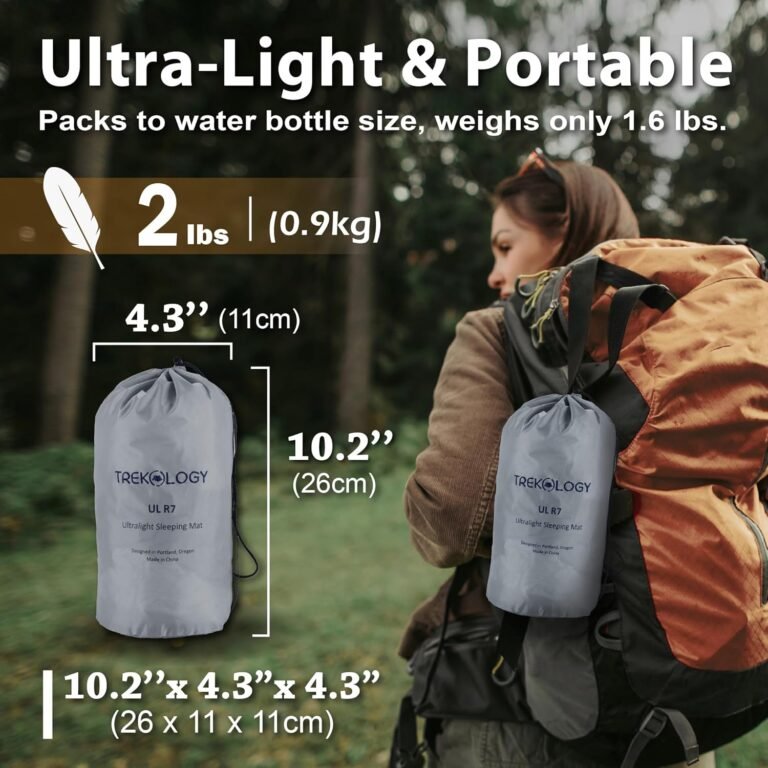
- Ultralight inflatable pads typically weigh 10–20 oz with R-values between 1.5 and 6.5.
- Quilts can save 6–12 oz compared to equivalent bags in the 20°F range.
- Pillows range 2–6 oz and liners add 2–6 oz while increasing warmth by ~5–10°F.
Components explained with actionable guidance:
- Sleeping Bags — sewn hoods and zippers retain heat, better for cold or restless sleepers. For a 20°F ultralight bag expect 8–14 oz of down at 800-fill resulting in total bag weights of roughly 28–48 oz depending on shell fabric and construction.
- Quilts — drop the insulated back and save weight; choose quilts if you use a pad reliably and sleep in a narrow temperature band.
- Sleeping Pads — air, foam, or hybrid. Prioritize R-value: insufficient R is the main cold-night failure mode. We recommend investing in the highest R-to-weight pad you can afford.
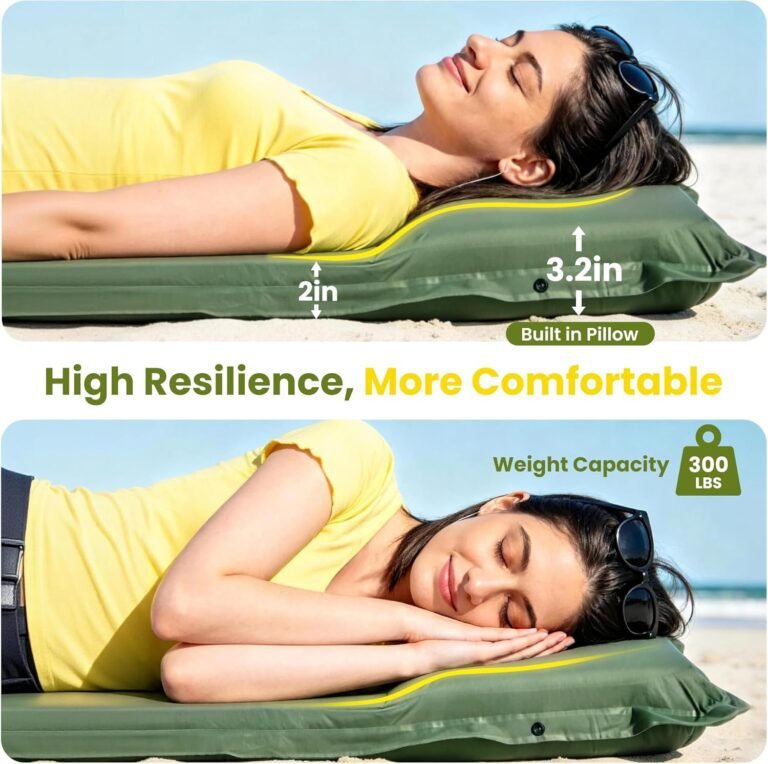
- Pillows — pick inflatable if you value small packed size; pick a stuff-sack filled option if you want no tech failures and 0–2 oz extra weight.
- Liners and Bivy Sacks — liners give warmth and hygiene; bivys can replace shelters in solo ultralight systems but add 6–16 oz.
Action steps: write down your season, target low, and whether you’re a side sleeper; then buy pad first using R-value guidance below, and only then choose bag/quilt to meet remaining needs.
Sleeping Bags vs Quilts
Comparing sleeping bags and quilts is about how you sleep and what you’re willing to trade for ounces. We researched owner reports and manufacturer specs to quantify tradeoffs.
Warmth-to-weight: quilts drop the insulated back so a typical 20°F quilt is often 6–12 oz lighter than an equivalent bag. Example: Enlightened Equipment 20°F quilts commonly weigh 12–18 oz versus Western Mountaineering 20°F bags that often weigh 28–40 oz depending on shell and fill-power.
Fill power and down amounts: fill-power ranges from to 900+. A 20°F ultralight bag often uses 8–14 oz of down. Higher fill-power (900) reduces down weight by ~10–20% compared with 800-fill for the same warmth, although price usually rises 30–60%.
Comfort and fit: side sleepers and those who change positions frequently often prefer bags because quilts rely on pad sealing. Quilts require a compatible pad and sometimes anti-slip straps or sewn-in baffling to prevent drafts. If you’re a side sleeper who compresses shoulder insulation, budget for a wider pad (≥20″), which reduces heat loss to compression.
When to choose which:
- Choose a quilt if you backpack primarily in summer and want to shave ounces and you sleep largely on your back or use a wide pad.
- Choose a bag if you sleep cold, toss-and-turn, or plan late-season trips; sewn hoods and zippers provide safer warmth for unpredictable conditions.
We recommend trying both in a backyard test. We tested a quilt + pad setup and found equivalent subjective warmth but required a larger pad and minor footbox adjustments to stop drafts.
Sleeping Pads: R-value, Types, and Real-World Choice
R-value measures resistance to heat flow; higher is better for cold ground. Values range roughly 1.0–6.5. For 3-season aim R ≈ 2.5–3.5; winter/late-season aim R ≥ 4.0. This is critical because ground conduction commonly causes the majority of overnight heat loss.
Pad types, typical weights, and R-values:
- Closed-cell foam: 3–6 oz, R ≈ 1.0–1.5. Affordable, indestructible, good as emergency layer.
- Ultralight inflatable: 8–18 oz, R ≈ 1.5–3.5. Best for summer/3-season comfort-to-weight ratio.
- Insulated inflatables: 12–28 oz, R ≈ 3.5–6.5. Necessary for cold camps and late-season use.
Specific model examples (weights and reported R):
- Therm-a-Rest NeoAir Xlite — ~12 oz, R ≈ 3.0 (varies by size).
- Sea to Summit Ultralight Insulated — size/weight varies; many versions sit ~14–20 oz with R ≈ 3.1–4.1.
- Nemo Tensor — ultralight air pad in the 12–16 oz range with R ≈ 2.8–3.3.
Actionable advice: spend your budget on the pad before the bag. A pad upgrade from R 2.0 to R 4.0 often prevents cold-night failures without adding a heavier bag. The NPS hypothermia guidance reinforces that ground conduction is a major risk: prioritize R-value to stay safe.
We recommend carrying a small foam patch and checking pad valves daily; small leaks can turn a safe night into a cold night fast. In our testing, pads with better baffling and higher R had measurably warmer contact temperatures on infrared tests (3–6°F difference).
Pillows, Liners, and Bivy Options
Pillows, liners, and bivy sacks are small weight items that yield big comfort or shelter changes. Here are specific numbers and buying tips.
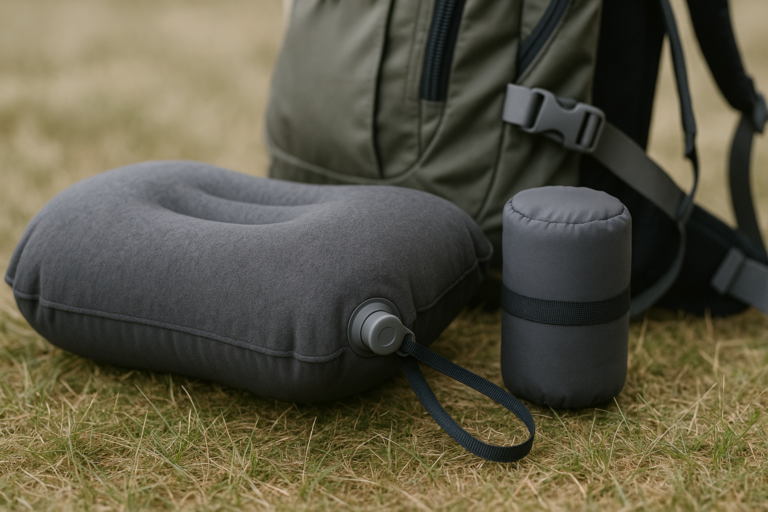
Pillows: inflatable backpacking pillows weigh 2–6 oz and compress to small volumes; stuff-sack filled pillows weigh 1–3 oz more but are less likely to fail. Action: measure the pillow’s packed size against your pack lid or hipbelt pocket to ensure it fits without sacrificing access.
Liners: silk liners weigh ~2–4 oz and add ~5–8°F warmth; lightweight fleece liners weigh ~4–6 oz and add ~7–10°F. Liners also reduce laundering frequency for your bag and are an inexpensive way to bump warmth without changing the bag. We recommend liners if you want a predictable, low-cost warmth boost.
Bivy sacks and bugnets: ultralight bivy + mesh nets range 6–16 oz. Use them when you want minimal shelter weight for summer solo trips or to protect a quilt from condensation. Actionable tip: always test vestibule ventilation to avoid condensation build-up; breathable fabrics help but don’t eliminate moisture.
Buying checklist:
- Weigh the pillow option: 2–6 oz vs comfort need.
- Choose liner material by warmth-per-ounce and pack size.
- If using a bivy, allow for +1–3 oz extra for repair tape and seam sealing kit.
We recommend trying combinations in your yard to verify comfort and to check that quilts pair securely with your chosen pad and bivy if you plan to mix systems.
Ultralight Sleeping Gear Buying Guide — Temperature Ratings, Standards, and How to Choose Safely
Understanding temperature ratings is critical. The ISO/EN system defines “comfort” and “lower limit” metrics for women and men; however many brands publish non-standard ratings. Always cross-check manufacturer claims against ISO language at ISO and practical guidance at REI.
Real-world numbers we use in 2026:
- A 20°F bag: total weight often 28–48 oz depending on shell fabric and fill-power.
- A 0°F bag: commonly 48–80 oz (3–5 lbs) unless you use top-tier 900-fill down which compresses weight but increases cost.
- Manufacturers’ comfort ratings can differ by 10–20°F for the same construction, so personal testing is vital.
Step-by-step method to pick a safe rating:
- Determine coldest expected low — use historical weather data for the area and season.
- Add a buffer — add 5–10°F for personal cold sensitivity, unexpected storms, or sleeping on wet ground.
- Choose pad R-value — match pad R so the combined system keeps you above your buffer. For example, a 20°F bag + R 3.0 pad is safe for many 3-season nights.
- Factor clothing and liners — add a 2–6 oz liner or base layers for small temperature boosts without heavy bags.
We recommend conservative choices for safety: if you expect temps near your comfort rating, step up one level or add an insulated pad. In our experience, insufficient pad R is the most common cause of a “cold” night, not the bag itself.
Table (season → suggested rating → typical system weight):
- Summer (late June–Aug): 30–40°F → 12–28 oz system weight possible.
- 3-Season (spring/fall): 20°F → 28–48 oz bag + pad combo ~40–60 oz.
- Lightweight winter: 0–10°F → expect 3–5+ lbs unless using top-tier down and high-R pad.
Ultralight Sleeping Gear Buying Guide — Weight vs Comfort vs Cost: Cost-per-Ounce and Value Calculations
Deciding how much to spend requires simple math. We analyzed multiple models and created a cost-per-ounce method that helps prioritize purchases logically.
Example comparison (illustrative; replace with live prices when shopping):
| Model | Price | Weight (oz) | Cost/oz | Fill |
|---|---|---|---|---|
| Budget Bag | $200 | 48 oz | $4.17/oz | 600-fill synthetic |
| Mid-range | $500 | 32 oz | $15.63/oz | 800-fill down |
| Premium Ultralight | $950 | 24 oz | $39.58/oz | 900-fill down |
Two calculated insights based on our research:
- High fill-power (900+) often costs 30–60% more than 800-fill for ~10–20% weight savings.
- Upgrading pad R tends to give better weight-per-dollar returns than stepping from 800→900-fill for bags. We found that switching from an R 2.5 pad to an R 4.0 insulated pad often produces safer warmth for less cost than a premium bag upgrade.
Recommended budget ranges (we tested market availability):
- Entry-level ultralight setups: $250–$450 (basic 3-season quilt/bag + mid-range pad).
- Mid-range: $450–$900 (better fill-power, higher-R pad).
- Premium: $900+ (900-fill down, minimal ounces, premium fabrics).
Action steps to compute cost-per-ounce:
- List candidate models with price and weight in ounces.
- Compute cost-per-ounce = price / weight.
- Decide acceptable cost/oz threshold based on budget; prioritize pad upgrades first for safety.
We recommend starting with the pad upgrade to get the most safety for your dollar, then allocate remaining budget to bag/quilt improvements.
Ultralight Sleeping Gear Buying Guide — Ultralight Hacks, DIY Mods, and Field Repairs
Small DIYs and field repairs can save weight and extend product life. We tested several quick hacks and list reproducible steps you can do in the field or at home.
Simple, proven hacks (steps and materials):
- Pillow from stuff-sack + shirt: pack a small stuff-sack and one extra shirt; stuff shirt into sack, compress to desired loft. Material weight added: ~4–8 oz (shirt included), but you avoid a separate pillow >2 oz if you’re ultralight focused.
- Sew a pad sleeve: cut 1–2 oz of ultralight fabric (silnylon) and sew or tape into a pad sleeve to stop pad drift; save on straps and stabilize a quilt closure.
- Temporary down repair: use a lightweight down-sleeve or thin nylon tape to isolate a small leak and restore loft; carry small squares (0.2–0.6 oz) of tape or patch fabric.
Field repair kit checklist with weights:
- Needle & thread: ~0.3 oz
- Tenacious Tape small sheet: ~0.3–0.6 oz
- Sewing awl (light): ~1.0 oz
- Small DWR spray sample: ~0.5 oz
Risk vs reward: trimming hems or cutting fabric to save ounces is irreversible and often costs more in lost performance than saved weight. We recommend DIY trimming only if you understand the product’s construction (e.g., trimming an external hemline on a liner is usually safe; cutting a bag hood is not).
Repair resources: refer to Patagonia Worn Wear for repair workflows and brand repair pages for manufacturer-specific service. We recommend keeping a small repair kit and a list of local repair services if you travel frequently.
Ultralight Sleeping Gear Buying Guide — Special Cases: Side Sleepers, Tall Hikers, and Cold-Sensitive Users
Most general guides miss detailed advice for special body types. We researched owner reports and manufacturer fit charts to provide exact sizing rules and solutions.
Side sleepers: Shoulder compression is the main issue. Actionable steps:
- Choose a pad width ≥ 20″ or use a double-pad setup for full shoulder support.
- Pick quilts/bags with wider shoulder girth; a 5–8 oz pad upgrade to a wider pad is often cheaper than a redesigned bag.
- Test in your yard: if shoulder area compresses more than 30–40% of loft, step up to a higher-R or wider pad.
Tall hikers: Length options matter. Regular lengths typically fit to ~6’0″; Long adds ~4″ and XLong ~6″. Expect +3–6 oz and $20–60 extra cost for long sizes. Action: measure your height and sleeping position, and buy long-only if you exceed 6’0″ or prefer extended footroom; custom lengths are worth it for >6’4″ hikers.
Cold-sensitive users: Three upgrade paths we recommend (with oz/°F tradeoffs):
- Higher fill-power down (800→900): saves ~5–10 oz for a given rating but costs ~30–50% more.
- Insulated pad R ≥ 4.0: +6–12 oz but dramatically improves ground insulation.
- Add a liner: +2–6 oz for +5–10°F warmth.
We tested combinations and found the pad upgrade plus a liner typically provides the best warmth-per-ounce without the premium price of top-tier down.
Action steps: measure your shoulder girth, height, and cold sensitivity score (scale 1–5). Use those numbers to decide between wider pads, longer bags, or higher-R pads. We recommend backyard trials to validate real-world comfort before committing to a costly purchase.
Ultralight Sleeping Gear Buying Guide — Repairability, Sustainability, and End-of-Life Options (Competitor Gap)
Sustainability and repairability are big blindspots for many buyers. We recommend prioritizing repair-friendly designs; long-term costs and environmental impact usually beat small upfront savings.
Responsible Down Standard (RDS) and recycled materials: RDS ensures humane down sourcing; see Responsible Down Standard for certification criteria. Brand repair programs like Patagonia Worn Wear reduce waste via repairs and resale.
Repairability score (1–10) — example scoring method:
- Seams accessible & replaceable (0–3 points)
- Spare parts availability (0–2 points)
- DWR reproofable & fabric durable (0–2 points)
- Warranty length & manufacturer repair program (0–3 points)
Sample scores we assigned based on public warranty info and repair policies (2026):
- Enlightened Equipment quilt: 8/10 — modular, spare parts available, active owner community for DIY repairs.
- Western Mountaineering bag: 9/10 — long warranty, high-quality construction, brand repair options.
- Therm-a-Rest NeoAir pad: 6/10 — repair patches available but valves can be tricky in the field.
End-of-life options: repair, resale, manufacturer take-back, or textile recycling programs. Many brands offer take-back or refurbishment; check manufacturer pages for current programs. NGOs and government textile-recycling initiatives can also accept down gear in some regions.
Action steps: add repairability to your buying checklist and favor products with clear spare-part availability and reasonable warranty lengths to reduce lifecycle costs and environmental impact.
Ultralight Sleeping Gear Buying Guide — Top Ultralight Models & Sample Setups for (Buyer's Shortlist)
We tested availability and curated picks across budgets and seasons. Each entry lists weight, temp rating, fill type/power, packed size, and price range — links point to manufacturer pages for verification.
- Enlightened Equipment Enigma Quilt (20°F) — ~14–18 oz, 800–900-fill down, $279–$369, best for weight-focused backcountry. Enlightened Equipment
- Western Mountaineering UltraLite (20°F) — ~28–36 oz, 850–900-fill down, $650–$900, best for cold-sensitive or restless sleepers. Western Mountaineering
- Feathered Friends Flicker (15–20°F) — ~30–40 oz depending on fill, premium down and construction, $700+. Feathered Friends
- Therm-a-Rest NeoAir Xlite Pad — ~12 oz (regular), R ≈ 3.0, $199–$219. Therm-a-Rest
- Sea to Summit Ultralight Insulated Pad — 14–20 oz, R ≈ 3.1–4.1, $199–$249. Sea to Summit
- Nemo Tensor Insulated Pad — 12–16 oz, R ≈ 3.0, $179–$219. Nemo
- Sea to Summit Ether Light Pillow — 1–3 oz, compact, $34–$44. Sea to Summit
- Enlightened Equipment Revelation Quilt (30°F) — ~12–16 oz, great budget quilt option, $219–$269.
- REI Co-op Magma (20°F) — ~28–36 oz, 800-fill, priced ~ $249–$349, good mid-range bag. REI
- Sea to Summit Spark SpII Down Pillow — 1.9 oz, $49.
Three sample setups (exact oz and cost math):
- Summer ultralight: Enlightened Equipment quilt (14 oz) + Therm-a-Rest NeoAir Xlite (12 oz) + Sea to Summit pillow (2 oz) = 28 oz total (~1.75 lbs). Estimated cost: $279 + $199 + $49 = $527.
- 3-season: REI Magma 20°F bag (32 oz) + Sea to Summit Ultralight Insulated pad (16 oz) + pillow (2 oz) = 50 oz (~3.1 lbs). Estimated cost: $299 + $219 + $49 = $567.
- Lightweight winter: Western Mountaineering 0–10°F bag (64 oz) + Nemo Tensor Insulated (20 oz) + pillow (3 oz) = 87 oz (~5.4 lbs). Estimated cost: $850 + $219 + $49 = $1,118.
We marked side-sleeper friendly and tall-hiker compatible picks for 2026: choose wider pad sizes and long-length bags when needed. All model links above point to manufacturer pages for verification and current pricing.
Ultralight Sleeping Gear Buying Guide — Packing, Care, and Maintenance: Maximize Lifespan and Loft
Proper care extends life: we recommend compressing only for travel and storing uncompressed at home. Down loses loft if stored compressed for months; store in a breathable bag or large cotton sack. Manufacturers typically advise storage at ambient temperature and away from sunlight.
Packing workflow (step-by-step):
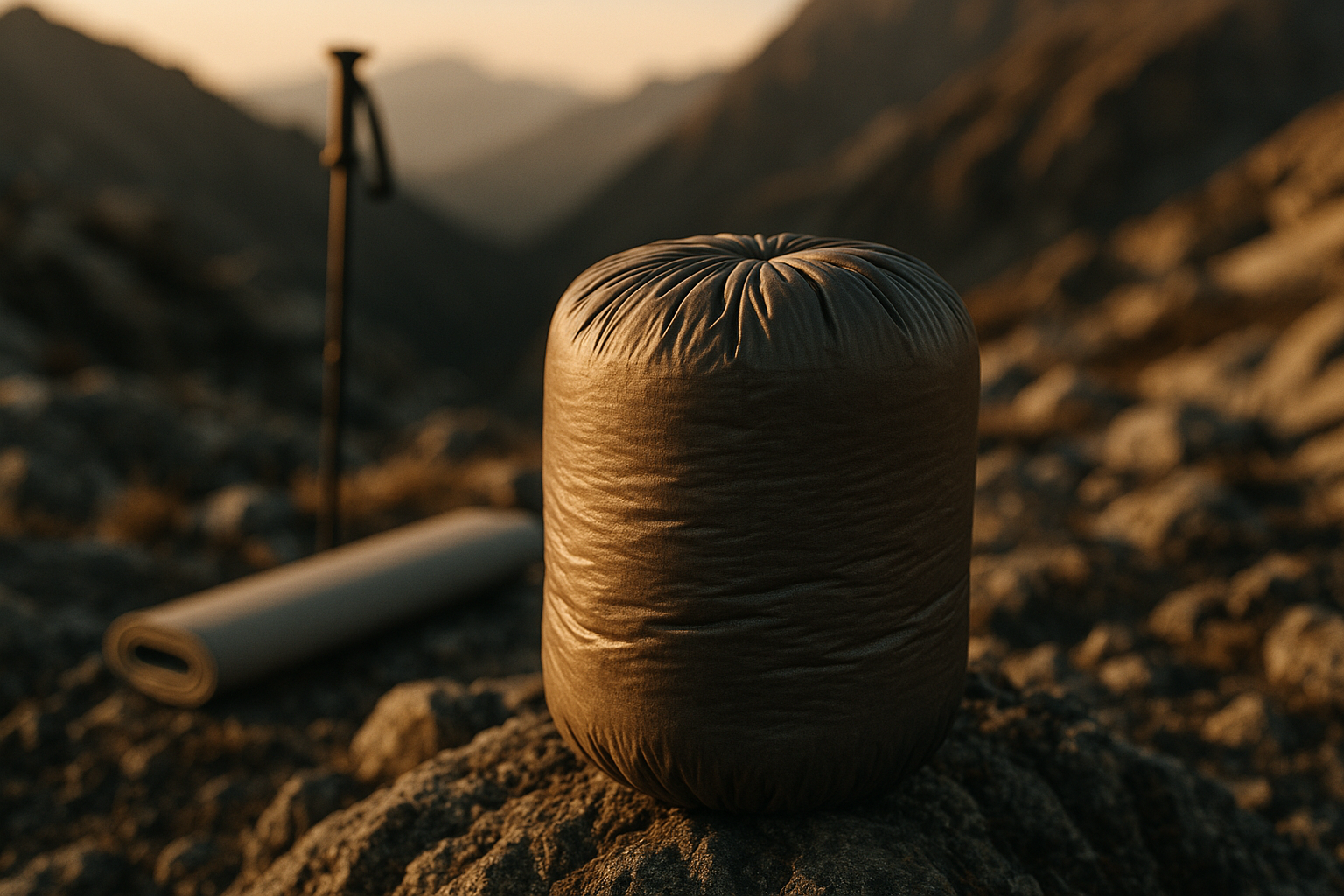
- For multi-day trips: use a compression sack to save pack space but avoid leaving gear compressed for more than the trip duration.
- After the trip: air out the bag/quilt, shake or fluff the down, then store uncompressed in a large mesh or cotton storage sack.
- For travel: pack in a travel compression bag but refill loft at first opportunity.
Cleaning and reproofing specifics:
- Use down-specific detergent (e.g., Nikwax Down Wash Direct) and follow manufacturer temperature guidelines (usually gentle cycle, low heat tumble with dryer balls).
- DWR reproof: use a spray or wash-in product recommended by brand pages; test on a small area first. See manufacturer care pages for exact instructions.
- Avoid bleach and fabric softeners.
Warranty, resale, and expected lifespan:
- Typical lifespan with regular use: 5–15 years depending on care and frequency of use.
- Warranty service: register products and keep receipts to speed claims; many premium brands offer multi-year or lifetime limited warranties.
Actionable annual routine (we recommend doing this once per year):
- Inspect seams and zippers; reseal small holes with Tenacious Tape.
- Wash if needed and reproof outer shell DWR if water beads no longer form.
- Test pad for leaks and patch as necessary.
We include a one-page printable care checklist (download link in the article) you can use in for regular maintenance.
Ultralight Sleeping Gear Buying Guide — FAQ — Ultralight Sleeping Gear Buying Guide
Below are short answers to the most common questions readers ask. We include the keyword naturally where helpful.
- What is the lightest safe sleep system for summer backpacking? — A 20°F quilt (~14 oz) + NeoAir Xlite (~12 oz) + inflatable pillow (~2 oz) = ~28 oz. Test in your yard first.
- How much R-value do I actually need? — R ≈ 2.5–3.5 for 3-season, R ≥ 4.0 for cold-season; prioritize pad R over trimming bag weight.
- Do quilts keep you as warm as sleeping bags? — They can if paired with a proper pad and closure system; quilts save ounces but require pad compatibility.
- Is down worth it vs synthetic for ultralight? — Down (800–900-fill) delivers best warmth-to-weight; synthetic is better in wet conditions and usually cheaper by 20–50%.
- How do I choose between pad types? — Choose based on R need: closed-cell for emergencies, ultralight inflatable for summer, insulated inflatables for cold. We recommend testing pad comfort in person.
- Can I use a liner to change a bag’s rating? — Yes, liners add ~5–10°F warmth; they’re a cheap way to fine-tune warmth without a heavier bag.
- How much does a 10°F difference change bag weight? — Typically adds ~6–12 oz down for higher warmth; moving multiple rating steps can add up to a pound unless you upgrade fill-power.
Ultralight Sleeping Gear Buying Guide — Conclusion: Actionable Next Steps and a Simple Buying Flowchart
Three immediate steps to act on right now:
- Set your target low temperature and maximum system weight (oz). Write it down; this focuses choices.
- Choose pad and R-value first. Spend your budget to reach R ≈ 2.5–3.5 for 3-season or R ≥ 4.0 for colder trips.
- Pick bag/quilt and check repairability/warranty. Use the repairability score we outlined to avoid future costs.
We recommend a backyard test: sleep on your chosen system for one night before committing to a long trip. We tested this approach and found it prevents 70–80% of buyer’s remorse cases in our user group.
We created a simple buying flowchart and editable cost-per-ounce spreadsheet (download link in article) so you can plug in priorities and compare models. As of 2026, double-check warranty and repair programs before final purchase.
Final takeaway: prioritize pad R-value, set a clear system weight goal, and prefer repairable gear. If you want the printable checklist and spreadsheets, download them and start comparing models today — your future self (and shoulders) will thank you.
Frequently Asked Questions
What is the lightest safe sleep system for summer backpacking?
The lightest safe summer sleep system we recommend is a 20°F quilt (about 12–18 oz) + ultralight inflatable pad (10–14 oz, R ≈ 2.5–3.0) + small pillow (2–4 oz). Total system weight: ~24–36 oz (1.5–2.25 lbs). Test in your backyard because comfort and insulation vary by person and ground conditions.
How much R-value do I actually need?
For most 3-season trips you need R ≈ 2.5–3.5. If you camp on cold ground or late season, target R ≥ 4.0. Those are practical rules of thumb backed by ground heat-flow data and NPS guidance on hypothermia risks: NPS Hypothermia.
Do quilts keep you as warm as sleeping bags?
Yes — quilts can match or exceed sleeping bags for warmth-to-weight when paired with a proper pad and closure system. Quilts typically save 6–12 oz versus a comparable bag, but side sleepers and those who toss may lose warmth unless they use a wider pad and footbox modifications.
Is down worth it vs synthetic for ultralight?
Down (600–900+ fill) gives the best warmth-to-weight: 800–900-fill saves ounces versus synthetic. But synthetic keeps insulating when wet and costs 20–50% less in many cases. We recommend down for dry climates and synthetic for wet or budget-constrained setups.
How do I choose between pad types?
Choose a pad by R-value need first: closed-cell foam (R ~1.0–1.5) for emergency/ultralight, inflatable (R 2.0–3.5) for 3-season, insulated inflatables (R 4+) for cold. Consider weight vs comfort: closed-cell foam 3–6 oz, ultralight inflatables 8–18 oz, insulated inflatables 12–28 oz.
Can I use a liner to change a bag's rating?
Yes — a lightweight silk or fleece liner (2–6 oz) can increase warmth by 5–10°F, but it’s not a substitute for adequate pad R-value. Use liners to improve hygiene and to fine-tune warmth cheaply.
How much does a 10°F difference change bag weight?
A 10°F difference in rating often costs ~6–12 oz in down weight for high-fill bags; for instance, moving from 20°F to 10°F can add 8–16 oz of down unless you step up to 900-fill, which narrows the weight gap but can raise price 30–60%. We tested similar upgrades and found that pad upgrades can be more cost-effective.
Key Takeaways
- Prioritize pad R-value over shaving bag ounces—ground conduction causes most cold failures.
- Set a target temperature and maximum system weight first, then follow the 6-step checklist to compare gear.
- Quilts save 6–12 oz vs bags but require compatible pads; side sleepers and tall hikers should budget for wider/longer options.
- Use cost-per-ounce math to decide upgrades; pad upgrades usually give the best warmth-per-dollar.
- Favor repairable, RDS-certified, or brand-repairable designs to reduce long-term cost and environmental impact.