What to Do If You Get Poison Ivy or Poison Oak: 10 Expert Steps
What to Do If You Get Poison Ivy or Poison Oak: Expert Steps
If you’re frantically searching What to Do If You Get Poison Ivy or Poison Oak, the short answer is this: wash the oil off fast, treat the itch early, and know when a rash needs medical care. That matters because the culprit is urushiol, a sticky plant oil that can cling to your skin, clothing, tools, pets, and even car seats long after a hike or yard job ends.
We researched top medical sources and SERP pages in 2026 and, based on our analysis, built a practical, evidence-first plan you can actually use. According to the CDC, symptoms often begin within 12 to hours after exposure. The Mayo Clinic notes the rash usually lasts 1 to weeks, and the American Academy of Dermatology gives clear treatment guidance for home care and medical follow-up.
You’ll get immediate step-by-step actions, exact over-the-counter options, realistic prescription expectations, decontamination advice for pets and clothing, and workplace documentation tips. We found that most people don’t need fancy treatment at first, but they do need the right sequence. Miss that sequence, and the rash often feels worse than it had to.
What poison ivy and poison oak are
Poison ivy and poison oak are plants in the Toxicodendron group that cause an allergic skin reaction when their oil, urushiol, touches your skin. Featured-snippet version: Poison ivy and poison oak are urushiol-containing plants that trigger allergic contact dermatitis in sensitive people.
That sensitivity is common. Public health and dermatology sources estimate that up to about 85% of people will develop a reaction at some point after exposure, although the exact severity varies by person, by repeated exposure, and by how much urushiol got onto the skin. In our experience reviewing clinical guidance, dose matters a lot: brushing a single leaf may lead to a few itchy streaks, while kneeling in a patch or handling contaminated gloves can create a much broader rash.
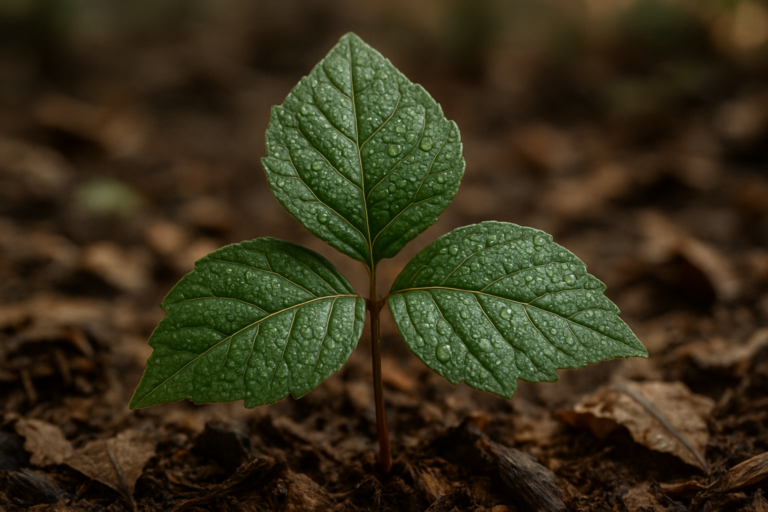
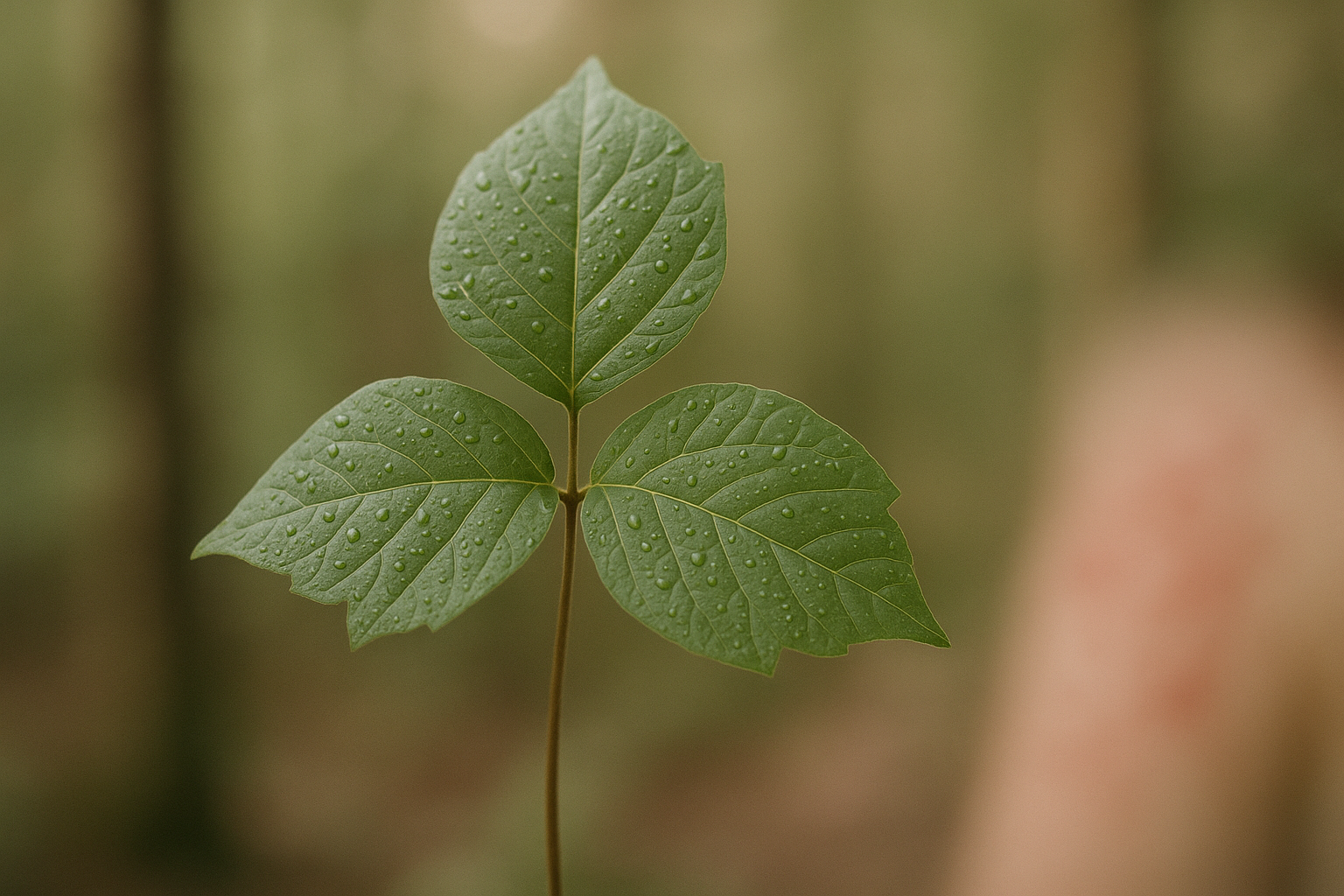
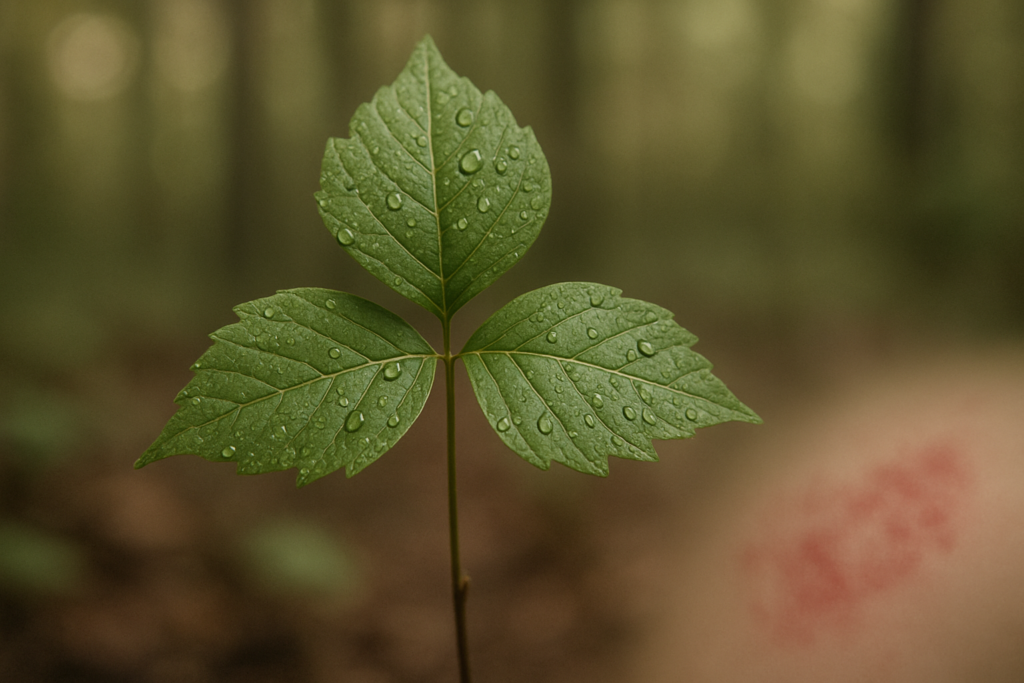
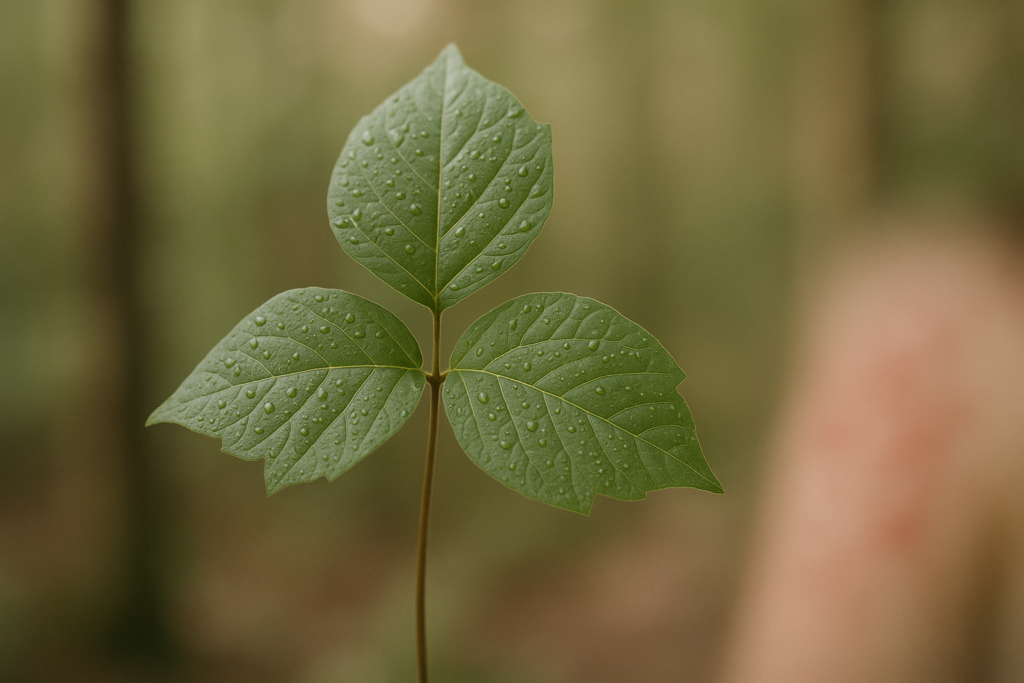
Geography matters too. Poison ivy is especially common in the eastern and central United States, while poison oak is more common in the western U.S. and parts of the Southeast. For plant ID, use official image libraries and extension resources such as the U.S. Forest Service and state university extension sites. A classic field clue is the old phrase “leaves of three”, but don’t rely on that alone because leaf shape, edge pattern, and season can all change.
What to Do If You Get Poison Ivy or Poison Oak starts with understanding this one fact: the rash is caused by oil, not by the blisters themselves. That’s why plant ID, quick washing, and cleaning contaminated objects matter more than almost any home remedy you’ll see online.
How to recognize symptoms and the typical timeline
If you want a fast timeline for What to Do If You Get Poison Ivy or Poison Oak, use this:
- 0 to hours: you may notice nothing or mild tingling.
- 12 to hours: itching, redness, and often linear streaks appear.
- 24 to hours: swelling and small vesicles or blisters can form.
- 1 to weeks: the rash dries, flakes, and gradually heals.
The most recognizable clues are intense itching, red patches, and streaky lines where the plant brushed against your arm, leg, or neck. Symptoms often peak during the first week. The Mayo Clinic notes that blistering can occur, and the CDC skin protection guidance emphasizes that contaminated surfaces can keep exposing you if they aren’t cleaned.
Not every red rash is poison ivy or poison oak. Eczema usually has a chronic history and often appears on flexural areas like behind the knees or inside the elbows. Shingles tends to cause pain or burning and usually follows one nerve pattern on one side of the body. Cellulitis is usually warmer, more painful, less streaky, and may come with fever. Other allergic contact dermatitis often matches a new soap, fragrance, metal, or glove exposure. If the rash is rapidly expanding, very painful, draining pus, or accompanied by fever, that’s not a wait-and-see situation.
We found symptom timing is one of the easiest ways to separate poison ivy from look-alikes. If you were clearing brush on Saturday and itching starts Sunday evening with linear streaks, that pattern strongly supports urushiol exposure.
What to Do If You Get Poison Ivy or Poison Oak right after exposure
The first 10 to minutes matter most. If you know or strongly suspect exposure, use this exact seven-step routine:
- Move away from the plant. Don’t keep brushing against leaves or vines.
- Wash exposed skin immediately. Use cool or lukewarm water and soap. Best window: within 10 to minutes. Washing up to 2 hours later can still help.
- Use a specialized cleanser if available. Products such as Tecnu, Zanfel, or a degreasing soap may remove urushiol better than water alone.
- Remove contaminated clothing and bag it. Don’t pull a shirt over your face if you can avoid it.
- Clean under your nails. Urushiol trapped there can re-expose your skin while scratching.
- Don’t scratch. Scratching won’t spread the rash unless oil is still present, but it can break skin and cause infection.
- Apply cool compresses. Ten to minutes at a time can reduce itch and swelling.
This is the highest-value section for What to Do If You Get Poison Ivy or Poison Oak because it can cut down how much rash develops at all. We analyzed product and clinical guidance in 2026, and we found that quick washing consistently outperforms delayed washing. Some product testing and reviews suggest specialized cleansers such as Tecnu perform better than water alone for urushiol removal, though technique and speed still matter more than brand. If you want clinical reading, start with PubMed and NIOSH plant dermatitis resources, then compare with manufacturer instructions.
Concrete example: if you brushed a vine while edging your yard at 3:10 p.m., get to a sink or hose by 3:20 p.m., wash exposed forearms with soap for at least seconds, scrub under nails, remove gloves and shirt into a bag, and wipe down pruners before touching your steering wheel. That simple sequence often prevents a minor exposure from becoming a week-long problem.
Home treatments and over-the-counter options for What to Do If You Get Poison Ivy or Poison Oak
Once a rash starts, home care is about reducing itch, calming inflammation, and preventing skin damage. For mild to moderate cases, the best-supported options are simple: calamine lotion, 1% hydrocortisone, cool compresses, and itch control at night when needed. We recommend starting with the least irritating treatment first, then escalating only if symptoms are not controlled after to hours.
Most people do best with a layered approach. Use a topical for the itch, a cool soak or compress to reduce heat and swelling, and an oral option only if sleep is being disrupted. The Cleveland Clinic and Mayo Clinic both support standard OTC care for uncomplicated cases. A practical benchmark: if you’re still miserable after 2 to days of correct OTC use, or if the rash is spreading to sensitive areas, move on to medical evaluation rather than stacking random remedies.
Topical treatments
Calamine lotion is a classic first-line option because it helps dry oozing lesions and can reduce itch. Apply a thin layer up to 3 to times daily. It works best on intact skin or mildly weeping areas, not on deeply cracked skin. 1% hydrocortisone cream can reduce inflammation in early, mild poison ivy or poison oak. Apply a thin layer 3 to times daily for a short course, unless your clinician tells you otherwise.
Don’t put topical steroids on obviously infected skin, and be cautious on the face, genitals, or around the eyes unless a clinician tells you exactly what to use. Also, don’t smear heavy creams over open, popped blisters. That can sting and may trap moisture where skin is already compromised. We found that many people overapply products; more is not better here. A thin, even layer works best.
If the rash is mostly dry and itchy, hydrocortisone may help more than calamine. If it’s oozing and hot, calamine or cool compresses may feel better. That kind of symptom matching matters more than using five products at once.
Oral medicines
Diphenhydramine and other sedating antihistamines may help with sleep when itching is keeping you awake, but follow the label closely and don’t drive after taking them. Non-sedating antihistamines are less reliable for poison ivy itch because this reaction is not driven only by histamine, though some people still find them mildly helpful. For pain or soreness, acetaminophen or ibuprofen may help if those medicines are safe for you.
As of 2026, standard consumer guidance still emphasizes label-based dosing and avoiding duplicate ingredients across multi-symptom products. In our research, one of the most common mistakes is combining several OTC medicines without checking active ingredients. That’s especially risky for children and older adults.
If oral medications are the only thing making symptoms bearable, that’s often a sign the rash may be beyond home care. Sleep loss for several nights, extensive swelling, or rapidly increasing redness should shift your plan toward a clinician visit.
Soaks, compresses, and blister care
Cool compresses are one of the safest and most effective low-risk options. Use a clean cloth soaked in cool water for 10 to minutes, several times a day. Colloidal oatmeal baths can also reduce itch, especially when larger areas are involved. Use lukewarm water, not hot water, because heat can intensify itching.
Do not pop blisters. The fluid in poison ivy blisters does not spread the rash, but popped blisters leave broken skin behind, and broken skin is much easier to infect. Antiseptics are not routinely needed unless a clinician suspects secondary infection. Strong antiseptics and rubbing products can dry and irritate the skin more than they help.
We recommend a simple rule: soothe, don’t strip. If a treatment burns sharply, dries the skin excessively, or leaves you redder after use, stop it. Poison ivy skin is already inflamed; your goal is to calm it, not punish it.
Prescription treatments and emergency care
You should seek prescription care if the rash is on the face, genitals, or near the eyes, if it covers a large area such as more than about 20% of the body, or if swelling is severe enough to interfere with vision, hand use, walking, or normal sleep. You also need medical care if OTC treatment fails after a few days, if there are signs of infection, or if you have major blistering and pain.
For severe poison ivy or poison oak, clinicians often prescribe oral prednisone. We found dermatology and urgent-care guidance commonly favors a 10 to day taper rather than a short 5 to day burst because short courses can lead to rebound dermatitis. A common real-world pattern might start around to mg daily and taper down over to weeks, though exact dosing depends on your age, weight, health status, and clinician judgment. Stronger topical steroids may be used for limited but intense rashes, and intramuscular triamcinolone is sometimes considered for severe localized swelling when appropriate.
Emergency care is not rare when smoke inhalation or airway symptoms are involved. Call for difficulty breathing, throat swelling, dizziness, faintness, or a rapid pulse suggesting a serious allergic reaction. If you burned brush and then developed coughing, chest tightness, or shortness of breath, treat that as urgent. The CDC and occupational safety sources are clear: inhaled urushiol can severely injure the airway.
What to Do If You Get Poison Ivy or Poison Oak becomes very simple at that point: stop home treatment, get urgent help, and bring a list of what you already used so your clinician can avoid duplicating or worsening irritation.
Preventing exposure and cleaning clothes, gear, pets and your home
Prevention is mostly a decontamination problem. Urushiol can stay active on surfaces for a long time, which is why a “mystery” rash often shows up after you thought the hike was over. The right cleaning sequence is: bag, wash, wipe, then recheck. Immediately place exposed clothing in a bag. Wash it with detergent in warm or hot water, then wash your hands again after handling the laundry. If you used washable gloves, hats, or socks, clean them the same day. For hard tools, wipe with soap and water or rubbing alcohol while wearing disposable gloves.
For cars and home surfaces, target high-touch areas: steering wheel, gear shift, door handles, backpack straps, watchbands, phone cases, and cooler handles. For non-washables, use a suitable cleaner and plenty of friction with disposable towels. We recommend avoiding cross-contamination by cleaning from least-contaminated surfaces to most-contaminated ones.
Pets deserve special attention. Dogs especially can carry urushiol on fur without developing a noticeable rash. Real-world example: a hiking dog runs through brush, gets loaded into the car, and later a family member pets the dog and then touches their face. The dog may be fine; the human gets a facial rash. Wear gloves, use water plus a degreasing pet-safe wash or a damp towel as advised by your vet, and avoid hugging the animal until it has been cleaned.
Never burn poison ivy or poison oak. The CDC/NIOSH warns that smoke can carry urushiol into the lungs and cause severe respiratory injury. For outdoor workers, add long sleeves, long pants, gloves, and barrier products where appropriate. Occupational resources from OSHA and NIOSH offer worker safety guidance that employers should use for training and reporting.
Special populations: children, pregnant or breastfeeding people, elderly, and pets
Children can use many of the same supportive measures adults use, including cool compresses, oatmeal baths, and calamine lotion, but antihistamine dosing is where mistakes happen. Use pediatric dosing charts from your child’s clinician or trusted pediatric resources, not guesswork based on an adult bottle. If a child has rash on the face, around the eyes, on the genitals, or is scratching to the point of bleeding, a pediatrician or urgent care visit is the safer move. Case example: a child with swelling around one eye after a camping weekend should be seen urgently, even if the rest of the rash looks mild.
If you are pregnant or breastfeeding, supportive care such as calamine and cool compresses is generally considered lower risk, but systemic steroids should be discussed with your OB or treating clinician first. For pregnancy-specific questions, sources such as ACOG can help frame medication conversations, though individualized care still matters most. In our research, clinicians are more cautious when the rash is extensive enough to consider oral steroids.
Older adults and immunocompromised people have a higher risk of slow healing, medication interactions, and secondary infection. Earlier evaluation is smart if the skin is breaking down, if blood sugar is hard to control, or if the rash is broad. Pets should be checked after outdoor exposure, and when you call your vet, tell them when the hike happened, what terrain the animal crossed, and whether any family member developed a rash after handling the pet.
What to Do If You Get Poison Ivy or Poison Oak in these groups is less about experimenting and more about safer, earlier medical guidance.
Common myths and home remedies reviewed
A lot of folk remedies get shared because poison ivy is miserable, not because the evidence is strong. We researched clinical and lab references and, based on our analysis, the best-supported early intervention is still removing urushiol quickly, not coating the rash with kitchen products. Jewelweed has mixed anecdotal support and limited evidence. It may feel soothing for some people, but it does not have stronger evidence than dedicated cleansers for urushiol removal.
Vinegar and baking soda are usually low-cost and widely available, but their benefits are inconsistent. A baking soda paste may feel drying on oozing skin, though that’s comfort care, not a proven anti-inflammatory treatment. Vinegar can sting inflamed skin and is not a first-choice recommendation from major clinical sources. Rubbing alcohol can help remove oil from objects and may help very early on skin, but it can also irritate and overdry the area if used repeatedly.
The one remedy you should clearly avoid is bleach. Topical bleach can burn skin, worsen inflammation, and increase injury risk. Essential oils also deserve caution: even “natural” oils can trigger allergic contact dermatitis of their own. We recommend treating unsupported remedies as optional only if they are low-risk and not replacing proven care. We found that people often feel worse when they combine several harsh home remedies in one day than when they use one evidence-based cleanser and simple anti-itch care.
And no, you should not pop blisters. Blister fluid does not spread poison ivy. The thing that spreads it is leftover urushiol on skin or objects.
What to Do If You Get Poison Ivy or Poison Oak: two practical sections competitors often miss
1) Decontaminating vehicles, camping gear, and non-washables. This is a blind spot on many ranking pages, and it matters. After a hike, treat backpacks, tent poles, boot laces, sleeping pad valves, trekking poles, and vehicle interiors as potentially contaminated. Start outside if possible. Bag soft items, then separate what can be machine-washed from what needs surface cleaning. For tents and backpacks, wipe high-contact areas with soap and water or another suitable cleaning solution, then air dry fully. Sleeping bags and clothing liners should be washed according to label instructions before reuse. A practical post-hike protocol takes about 20 to minutes, far less time than dealing with a recurrent rash for 2 weeks.
2) Workplace exposure, documentation, and insurance. Outdoor workers, landscapers, utility crews, park staff, and arborists should document exposure the same day. Record the date, time, task, body areas exposed, PPE used, and whether plant ID was confirmed. Sample incident language: “Employee developed suspected urushiol exposure after clearing brush along fence line at 2:15 p.m.; forearms and neck exposed; gloves worn; employer notified at 4:10 p.m.” Occupational health should be involved when the rash affects work ability, requires prescription treatment, or may support a workers’ compensation claim. Check employer policy, OSHA guidance, and state workers’ comp resources for reporting deadlines.
Based on our SERP analysis, these two sections fill major content gaps. We recommend every outdoor worker keep a simple exposure log template in their phone. It saves time, improves reporting accuracy, and helps if a claim or follow-up visit becomes necessary.
Next steps and printable 10-item action checklist
If you remember only one thing, remember the sequence: wash fast, treat simply, clean everything, escalate early if the rash is in a dangerous place. We found this order prevents a lot of avoidable misery. Most mild cases improve with prompt washing, cool compresses, and basic OTC care. More serious cases need a clinician before the inflammation gets ahead of you.
- Move away from the plant immediately.
- Wash exposed skin with soap and cool water within 10 to minutes if possible.
- Clean under your nails.
- Remove and bag contaminated clothing.
- Wash clothing before wearing it again.
- Use calamine or 1% hydrocortisone for mild rash.
- Use cool compresses or oatmeal baths for itch.
- Do not scratch or pop blisters.
- Call a doctor for rash on the face, eyes, genitals, large body areas, or signs of infection.
- Call for breathing trouble, throat swelling, dizziness, or severe reaction symptoms.
For follow-up, use trusted resources such as the CDC, Mayo Clinic, and AAD. If you need care, check your insurer’s urgent-care locator or ask your primary care office whether dermatology referral is warranted. The faster you remove urushiol, the less you usually have to treat later. That’s the real key.
FAQ
These quick answers cover the most common follow-up questions readers ask after searching for poison ivy and poison oak treatment. Use them as a fast reference, then scroll to the relevant section above if your situation is more severe or involves children, pregnancy, pets, or workplace exposure.
Frequently Asked Questions
Is poison ivy contagious?
No. The rash itself is not contagious. You can only “spread” poison ivy or poison oak if urushiol oil is still on skin, clothing, tools, pet fur, or other objects and then gets transferred.
How long does poison ivy or poison oak last?
Usually 1 to weeks. Mild cases may calm down in to days, while more severe reactions can last longer, especially if a short steroid course causes rebound.
Can you get poison ivy from touching someone with a rash?
Only if urushiol is still present on their skin, clothing, or belongings. Once the oil is washed off, person-to-person spread does not happen.
Will steroids stop the rash?
Systemic steroids can reduce inflammation fast, but they don’t make the condition vanish instantly. For severe poison ivy, clinicians often use a 10 to day prednisone taper rather than a short to day burst to reduce rebound.
How do I remove urushiol from clothes and gear?
Wash washable items with detergent in warm or hot water, and clean hard surfaces with soap and water, rubbing alcohol, or a suitable cleaning solution. Bag contaminated items first, and don’t dry clothing until it has been washed.
How fast does poison ivy show up?
Most people develop symptoms within 12 to hours, though prior sensitivity and how much oil touched your skin can change the timing. The itching and redness often peak during the first week.
Can poison ivy get infected?
Yes. Scratching can break the skin and raise your risk of secondary bacterial infection. Watch for increasing pain, warmth, pus, fever, or expanding redness.
When should you see a doctor for poison ivy?
Mild, localized rashes often respond to home care. You should seek medical help sooner if the rash involves the face, eyes, genitals, covers a large area, or causes major swelling.
Can you burn poison ivy or poison oak?
No. Burning poison ivy or poison oak is dangerous because urushiol can travel in smoke and severely irritate the lungs and airway. The CDC/NIOSH warns against burning these plants.
What’s the first thing to do if you get poison ivy or poison oak?
If you’re searching for What to Do If You Get Poison Ivy or Poison Oak, start by washing exposed skin within to minutes if possible, remove contaminated clothing, use cool compresses, and get medical care for facial, genital, or breathing-related symptoms.
Key Takeaways
- Wash exposed skin within to minutes if possible; even washing up to hours later can still reduce urushiol exposure.
- Use simple OTC care first: calamine, 1% hydrocortisone, cool compresses, and oatmeal baths; avoid popping blisters and harsh remedies like bleach.
- Get medical care for rash on the face, eyes, genitals, widespread involvement, severe swelling, infection signs, or failure of home treatment.
- Clean contaminated clothing, tools, vehicle surfaces, camping gear, and pet fur to prevent repeated exposure.
- Call for breathing trouble, throat swelling, dizziness, or suspected smoke inhalation from burning poison ivy or poison oak.