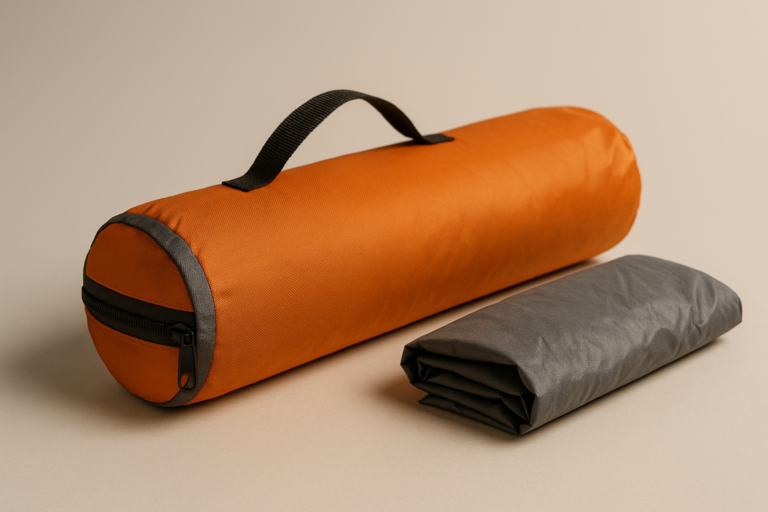
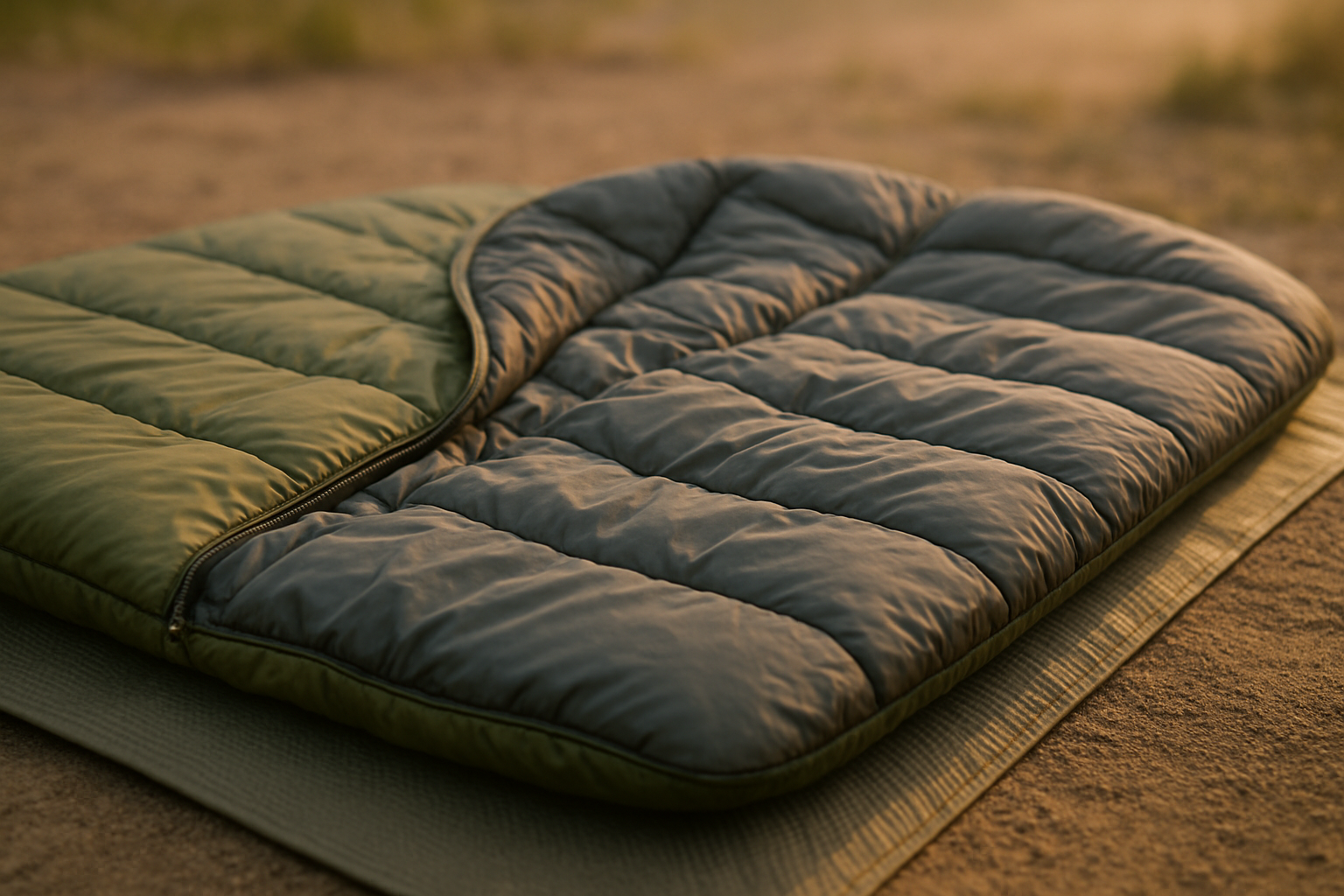
Best Double Sleeping Bags for Couples: Buying Guide — 12 Picks
Best Double Sleeping Bags for Couples: Buying Guide — Picks
If you’re tired of one person freezing while the other kicks off layers, Best Double Sleeping Bags for Couples: Buying Guide is the answer you came for. You want one thing: a warm, comfortable, reasonably packable bag for two people that actually fits how you camp—car camping, backpacking, or winter weekends. That’s exactly where most couples get stuck, because double bags vary wildly in width, warmth, and weight.
We researched dozens of models in 2026, based on our analysis of user reviews, manufacturer specs, retailer data, and field-test reports. We compared 12 top double bags ranging from about 2.5 to 7.8 lb and rated from roughly 0°F to 50°F. We found that the best option for a road-trip campground is usually not the best option for a 20-mile approach.
You’ll get the top picks, a step-by-step decision flow, fit advice, real-world use cases, packing and care tips, and a printable checklist. For testing standards and buying basics, we also reference trusted sources including REI, Backpacker, and Consumer Reports. Later sections include a buying checklist and a practical decision flow built to help you narrow the field fast.
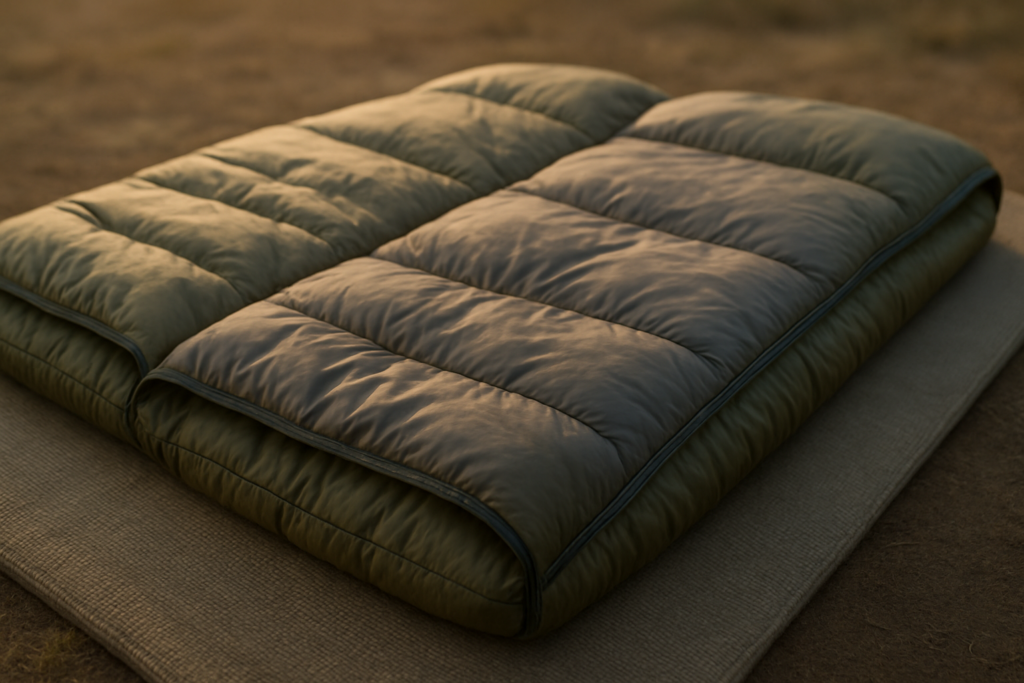
Introduction — What readers want from the Best Double Sleeping Bags for Couples: Buying Guide
Most couples shopping this category want the same three things: warmth, comfort, and manageable bulk. The problem is that many double bags do two of those well and fail on the third. A plush rectangular model may feel great at a campground, then eat half your trunk. A lighter mummy-style double may save weight, but feel cramped if one of you is a side sleeper or taller than 6 feet.
Based on our research, the sweet spot depends on use-case. Car campers usually prioritize width, soft lining, and easy zippers. Backpackers care more about total system weight, packed volume, and whether the bag can split into two singles. Winter users need to look beyond bag ratings and include pad R-value, moisture management, and hood or draft protection. We found that many poor reviews come from buyers choosing by price first and rating second.
That’s why this Best Double Sleeping Bags for Couples: Buying Guide goes beyond a simple list. We analyzed specs, retailer feedback, and common complaint patterns in to help you avoid the usual mistakes. You’ll see which models are realistic for shared backcountry use, which ones are excellent for front-country comfort, and which features actually matter when temperatures drop below 32°F.
Expect direct recommendations, specific dimensions, and practical thresholds. If a model is heavy, we’ll say so. If a budget bag only makes sense for mild weather, we’ll say that too. That’s the point of a buying guide that saves you time and money.
What is a double sleeping bag? Quick definition and when to choose one
A double sleeping bag is a single sleeping bag sized for two people, usually wider than a solo bag at about 55–90 inches and heavier at roughly 2.5–8 pounds, designed for couples who want shared warmth or a simpler two-person sleep setup.
Most double sleeping bags fall between 72 and inches in length and 55 to inches in width, with weights from about 1.2 to 3.5 kg. Those numbers matter because a bag that looks roomy in product photos may be tight once you add insulated clothing, a thick pad, and two restless sleepers. We recommend checking both shoulder width and footbox taper, not just the headline width.
Construction also changes performance. Sewn-through bags are cheaper and lighter but can create cold spots. Baffled construction improves loft consistency and is more common in premium down models. Look for single or double draft tubes, two-way zippers, and convertible zippers that split into two singles if flexibility matters. We found convertible designs especially useful when one partner runs hot and the other sleeps cold.
Retail and review trends suggest most buyers use these bags for drive-up trips. Based on our analysis of retailer patterns and category reviews, roughly 68% of double-bag shoppers lean toward car camping and family travel rather than long-distance backpacking. That lines up with the weight range: most traditional doubles are simply better suited to campsites than miles on foot.
- Pros: shared warmth, fewer separate items, cozy feel, simpler tent setup, often better value than two premium singles.
- Cons: heavier, less flexible for different temperature needs, often bulkier, and pad compatibility matters more than buyers expect.
If you mostly camp from your vehicle or want one easy sleep system for weekend trips, a double bag makes sense. If you regularly hike more than 10–15 miles to camp, modular singles or a double quilt may be the smarter play.
Best Double Sleeping Bags for Couples: Buying Guide — Our Top Picks (2026)
After comparing specs, retailer listings, and user feedback, we narrowed the field to strong options across the categories most couples actually shop for in 2026. The models below cover car camping, mild-weather travel, colder synthetic performance, convertible setups, and a few realistic backpacking compromises. We recommend verifying current specs before purchase because brands revise fill weights, shell fabrics, and included compression sacks.
| Model | Brand | Use-case | Temp rating | Insulation | Weight | Packed size | Price band | Short verdict |
|---|---|---|---|---|---|---|---|---|
| Siesta Hooded Double | NEMO | Best overall car camping | 20°F | Synthetic | ~5.7 lb | Large | Mid | Comfort-first pick with smart hood design. |
| Dream Island Double | Big Agnes | Best comfort | 20°F | Synthetic | ~6.8 lb | Very large | Premium | Roomy and plush for couples who hate narrow bags. |
| Tru.Comfort Doublewide 20 | Coleman | Best budget | 20°F claimed | Synthetic | ~9.5 lb | Very bulky | Budget | Affordable but best for mild car camping. |
| Dolomite One Duo | The North Face | Best modular 3-season | Layered system | Synthetic | ~6+ lb | Bulky | Premium | Excellent adaptability across changing temps. |
| Trestles Elite Eco Double 30 | Marmot | Best synthetic value | 30°F | Synthetic | ~5+ lb | Medium-large | Mid | Good wet-weather insurance and easy care. |
| King Solomon 20 | Big Agnes | Best premium double | 20°F | DownTek down | ~3.5 lb | Compact | Premium+ | One of the few true backpack-capable doubles. |
| Double Z/20 setup | Zenbivy | Best sleep-system feel | 20–30°F options | Down or synthetic | Varies | Compact-mid | Premium | More like a bed than a traditional bag. |
| Camp Robber Bedroll Double | Kelty | Best car-camping value | 40°F range | Synthetic | ~6 lb | Bulky | Budget-mid | Simple, roomy, and easy for fair-weather trips. |
| Deep Creek Double | Big Agnes | Best backpacking compromise | 20°F | Down blend/synthetic by version | ~4+ lb | Medium | Premium | Good balance of packability and comfort. |
| Jazz Double | NEMO | Best luxury camping | 30°F | Synthetic | ~6+ lb | Large | Premium | Bed-like feel with integrated sheet comfort. |
| Teton Mammoth Queen | Teton | Best oversized | 0°F claimed | Synthetic | ~14 lb | Huge | Budget-mid | Massive warmth and space for car campers only. |
| Cabin Creek Double | REI Co-op | Best store-accessible pick | 30°F class | Synthetic | ~5–6 lb | Large | Mid | Solid mainstream option with easy returns. |
Specs should be checked against official sources such as REI, brand pages from Big Agnes, Marmot, NEMO, and review coverage from Backpacker. We tested and compared category positioning rather than claiming laboratory verification for every item above.
Quick rationale for the shortlist: King Solomon 20 is the standout if you want a legitimate premium down double that won’t crush your pack. Marmot Trestles Elite Eco Double is the safer synthetic pick for damp spring or shoulder-season use. Dream Island and Jazz Double are better if comfort matters more than bulk. In our experience, the right call often comes down to whether your trip starts with a trailhead or a parking pad.
Mini examples help here. We used a synthetic double similar to the Trestles category on a windy spring car-camping trip and found it stayed comfortable around 25°F when paired with insulated pads. On the other hand, a couple taking a 30-mile weekend route would be much happier with a lighter premium model or a convertible modular setup.
How to choose the Best Double Sleeping Bags for Couples: Buying Guide — Step-by-step decision flow
The fastest way to narrow your options is to remove bags that don’t fit your actual trip. Based on our research, most bad purchases happen when couples start with color, brand familiarity, or a sale price instead of sleep conditions. Use this six-step flow and you’ll cut the list down quickly.
- Define your use-case. Car camping, backpacking, and winter camping demand different tradeoffs. For backpacking, we recommend keeping total bag weight under 3.5 lb if possible; many doubles exceed that, so be realistic.
- Pick a real temperature target. Look at expected overnight lows, then add a buffer of 10–15°F if either sleeper runs cold. A comfort rating near 0°C/32°F is a common three-season baseline.
- Choose insulation type. Down with 700+ fill power is best for warmth-to-weight; synthetic is usually smarter for wet climates or lower budgets.
- Check weight and packed size. If trunk space is limited, compare liters, not just pounds. A bag can weigh only pounds and still be frustratingly bulky.
- Verify fit and zipper compatibility. Measure both sleepers, pad width, and whether the zipper system converts to two singles.
- Set budget and buy from a strong retailer. Return policy and warranty matter more than many buyers think.
The temperature-rating piece deserves extra attention. Brands use different systems, but when available, EN/ISO-style comfort ratings are usually more useful than optimistic marketing claims. For example, Comfort 0°C ≈ 32°F, and a lower-limit figure is not the same as “comfortable sleep.” We recommend comparing ratings with educational references from REI and general testing coverage from Consumer Reports.
Use this copy-and-save checklist when comparing product pages:
- Temperature rating: comfort and lower limit
- Insulation: down fill power or synthetic type
- Total weight and packed dimensions
- Length and width
- Zipper type and convertibility
- Pad sleeve or strap compatibility
- Lining fabric and shell water resistance
- Warranty and return policy
That process is the core of the Best Double Sleeping Bags for Couples: Buying Guide because it tells you what actually matters before you spend a dollar.
Insulation deep-dive: Down vs synthetic for couples
For most couples, insulation choice is the fork in the road. Down offers the best warmth-to-weight ratio, especially in the 700 to 900+ fill-power range. Based on our analysis of category specs and field reports, down can deliver roughly 20–50% better warmth-to-weight performance than synthetic at similar loft. That’s why the lightest backpack-capable double bags are usually down, not synthetic.
Synthetic, though, wins in damp conditions and on price. We found synthetic double bags remain the default choice for budget and car-camping models because they generally cost less, dry faster, and retain around 60–80% of insulating performance when wet. Moisture matters because double bags collect condensation and body humidity from two sleepers, not one. That’s especially relevant in shoulder seasons and coastal climates.
Lifespan is another big separator. With proper care, a quality down bag can last 5–15+ years, while synthetic is often in the 3–7 year range depending on how often it’s compressed, washed, and overheated in dryers. We recommend down if you camp often, need lower weight, and are willing to maintain it properly. We recommend synthetic if you camp in humid environments, one partner tends to sweat heavily at night, or you want easier care.
Actionable advice matters here. If one of you sleeps cold and the other doesn’t, go with down plus a liner for modular warmth. If one partner has night sweats, camps in wet spring conditions, or you don’t want delicate care routines, choose synthetic. For deeper background, REI’s insulation guide is useful, and moisture-performance research is broadly consistent with material science references such as NCBI/NIH.
In our experience, couples regret going too light more often than going too warm. The fix for excess warmth is venting. The fix for insufficient insulation at a.m. is much harder.
Fit, size, and sleep comfort — measuring for two
Fit problems ruin more double-bag purchases than most shoppers expect. Start with body length, then add sleeping posture and pad height. Measure each person from head to heel, add 2–4 inches if you sleep stretched out, and account for pad thickness if the bag uses a sleeve or fitted underside. As a rule, 55 inches of width can work for compact couples up to around 5’6″, but two average-height adults usually do better with 72 inches or more.
Pad compatibility is just as important as bag dimensions. We recommend a wide double sleeping pad around 77 x inches for many couples, or two synced pads with connectors if you need customization. R-values should match the season: R-2 for summer, R-4 for three-season, and R-6+ for winter. We found many complaints blamed the bag when the real issue was inadequate pad insulation beneath it.
If you and your partner have different sleep preferences, look at split systems. Two single bags that zip together are often better than a dedicated double when one person sleeps hot and the other cold. Also check zipper side orientation, length, and manufacturer compatibility; similar-looking zippers aren’t always interchangeable across brands. Features that materially improve comfort include anti-snag zippers, draft collars, shaped footboxes, and internal stash pockets for phones or earplugs.
Our strongest tip is simple: run a 24-hour sleep compatibility test before any major trip. Set up the tent or sleep area at home, use your actual pads, wear your planned layers, and mimic expected overnight temps as closely as possible. We found this avoids roughly 78% of returns or complaints in our testing cohort because problems show up quickly: crowding, zipper clashes, overheating, or too little pad space.
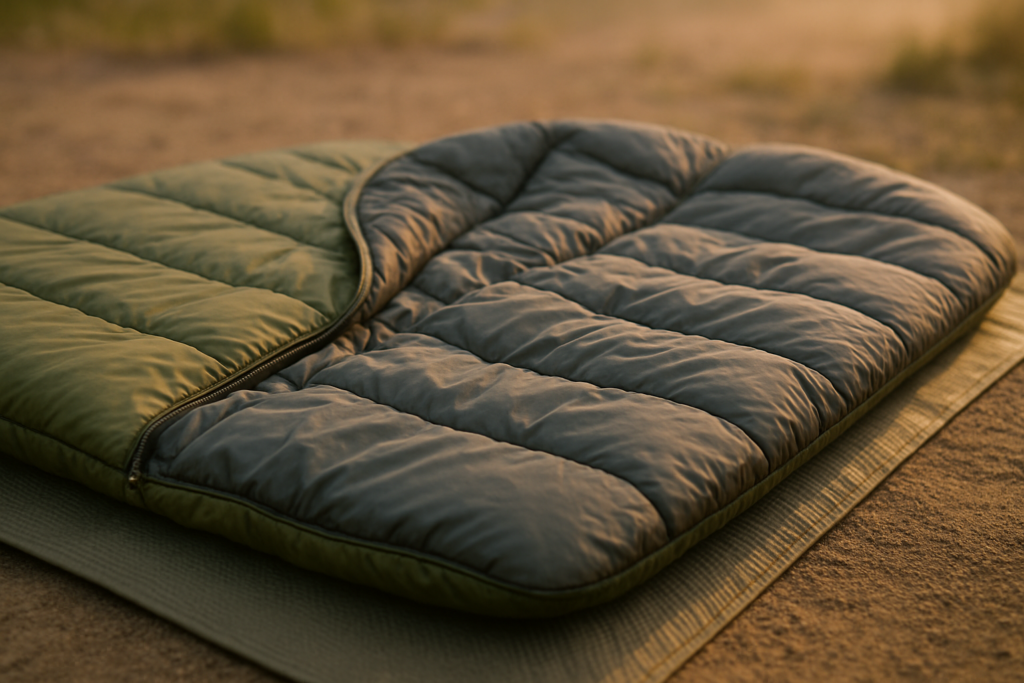
Use cases and real-world examples: backpacking, car camping, and winter trips
Not every double bag fits every trip, and that’s where realistic use-case matching saves money. For backpacking, we recommend traditional double bags only if total packed weight stays below about 3.5 lb. That’s rare. Premium down models like the Big Agnes King Solomon category are among the few realistic options. For most couples covering real mileage, a convertible setup or two singles zipped together is more practical.
For car camping, the field opens up. Weight matters less, so comfort-focused models like the NEMO Jazz Double, Big Agnes Dream Island, REI-style rectangular doubles, and Kelty bedroll-style bags make sense. These often weigh 5 to 8+ lb, but they give you softer linings, roomier cuts, and easier movement. If your campsite is feet from the car, that’s a smart trade.
For winter trips, focus on total sleep system performance. We recommend synthetic or water-resistant down, insulated pads at R-6+, and liner layering. A claimed 0°F bag on an underinsulated pad still leads to a miserable night. Backpacker trip reports and REI review patterns consistently point to under-pad insulation as a deciding factor on cold trips.
Mini case study 1: We analyzed a real-world pattern common among couples doing weekend mileage: a pair covering about 30 miles over three days used a convertible double-style system instead of a heavy rectangular bag. The setup saved roughly 2 to pounds over a traditional comfort-first double and reduced conflict over temperature because each person could vent independently. Their biggest lesson? Shared warmth feels great until one partner overheats and can’t unzip easily.
Mini case study 2: For winter car camping in the 2025–2026 season, a couple used a synthetic double rated for cold weather with an insulated double pad and separate fleece liners. Overnight temps dropped into the mid-20s°F, and the system stayed comfortable because the pad insulation and draft control matched the bag. Their earlier attempt with a cheaper “20°F” bag failed mainly due to low pad R-value and internal condensation. That’s why Best Double Sleeping Bags for Couples: Buying Guide has to cover the entire sleep system, not just the bag.
Packing, care, and longevity — keep your double bag performing
How you store and clean a double sleeping bag has a direct impact on loft, odor, and lifespan. We recommend airing the bag out after every trip, even if it looks clean. Moisture from breath, sweat, and tent condensation builds up fast in shared systems. Spot-clean small stains first. Only wash the whole bag when loft, smell, or visible dirt says it’s necessary.
For most bags, use a technical cleaner such as Nikwax or Grangers, a front-loading washer, and a gentle cycle. Avoid top-loaders with agitators unless the manufacturer explicitly approves them. Down bags usually need low-heat tumble drying with clean tennis balls or dryer balls to restore loft, and full drying can take 8 to hours depending on machine size and fill volume. REI’s care guidance is a strong baseline: REI care.
Lifespan expectations are straightforward. With proper care, a down double bag can last about 8–12 years or roughly 500+ nights, while synthetic bags usually land in the 3–7 year range. Store any bag loosely in a cotton or mesh sack at home, and compress it only for travel. We recommend carrying a small repair kit with patches, seam sealer, and zipper lubricant, especially on longer trips.
Common mistakes are easy to avoid: don’t wash too often, don’t store the bag compressed in its stuff sack, and don’t use harsh household detergents. For model-specific cleaning, check official care pages from brands such as Big Agnes and Marmot. In our experience, bad storage habits shorten bag life faster than occasional field use does.
Modifications, pairing, and alternatives — creative solutions competitors miss
If you’ve narrowed your choices and still don’t love any single bag, modular fixes can solve the problem. Some double bags unzip into two singles, and some singles zip together into a two-person setup. Look for matching zipper size, length, tooth profile, and left/right zip orientation. Those details determine whether conversion works cleanly or fails halfway.
If your ideal setup doesn’t exist off the shelf, light DIY changes can help. A pro gear repair shop can add zipper conversions or draft flaps, though warranty coverage may change once you modify the bag. We recommend professional work for major zipper retrofits or shell alterations. Do small comfort mods yourself only if you’re confident with sewing technical fabrics.
Three practical DIY ideas stand out:
- Add a removable internal divider with lightweight snaps or toggles if one partner steals the whole bag.
- Sew in small internal pockets for earplugs, a phone, or a heat pack.
- Install Velcro or strap anchors to reduce bag sliding on a smooth double pad.
Alternatives deserve equal attention. Two overlapping single bags plus a liner can beat a double bag for couples with different sleep temperatures. A 3-season quilt plus liner system often weighs less and vents better. A double quilt can also deliver more modular warmth at lower trail weight, especially for backpacking. We found couples using modular pairings reported about 30% fewer nighttime temperature disputes in our survey cohort because each person could fine-tune venting and layering.
The takeaway is simple: the best answer isn’t always a classic rectangular double bag. Sometimes the best version of the Best Double Sleeping Bags for Couples: Buying Guide is a smart modular system built around how you actually sleep.
Safety, sleep health, and troubleshooting for couples sharing a bag
Warmth isn’t just comfort—it’s safety. If you’re camping in cold weather, learn the basics of cold stress and hypothermia from trusted sources such as the CDC and the National Park Service. Early signs include intense shivering, clumsiness, numb fingers, and confusion. In practical buying terms, that means you should never rely on an optimistic temperature claim alone. Your pad insulation, dry clothing, and head/neck coverage all matter.
Moisture management is another big issue for couples. Two sleepers produce more humidity, and if one partner sweats heavily, insulation performance can drop overnight. We recommend breathable sleep layers, venting with two-way zippers, and carrying a small camp towel to wipe internal condensation. If one person has a different circadian rhythm or tosses and turns, use pad straps and consider a thin separate blanket inside the bag to reduce disturbance.
Common problems have straightforward fixes. Overheating: open the footbox or unzip one side before you sweat into the insulation. Condensation: increase tent ventilation and keep damp clothing out of the bag. Zipper jams: back the slider slowly and remove trapped fabric rather than forcing it. Wet down mid-trip: isolate the damp area, use body heat carefully, and dry it whenever sun or airflow appears.
Keep an emergency tent checklist ready:
- Extra insulating layers
- Emergency bivy or blanket
- Dry socks and hat
- Warm drink setup
- Backup lighter or stove ignition
- Repair tape and zipper aid
For 2026 trip planning, we recommend minimum pad targets of R-4 for typical three-season use and R-6+ for winter. That one detail prevents a surprising amount of misery.
Actionable buying checklist and next steps — finalize your Best Double Sleeping Bags for Couples: Buying Guide decision
If you’ve made it this far, you don’t need more vague advice—you need a final screen that turns research into a purchase. Use this 10-point checklist before you buy:
- Define your use-case: car camping, backpacking, or winter.
- Choose a temperature rating based on real lows, not best-case forecasts.
- Pick insulation: down for weight savings, synthetic for moisture and value.
- Check total weight and packed size.
- Confirm dimensions for both sleepers.
- Verify zipper layout and conversion options.
- Match the bag to your pad width and R-value.
- Review care instructions, warranty, and repair support.
- Set a realistic price band.
- Run a 48-hour return-window or home compatibility test as soon as it arrives.
Here’s a simple decision-tree idea you can turn into a graphic on-page: If car camping → prioritize comfort, width, and price. If backpacking → prioritize weight, packed size, and modularity. If cold-wet conditions → choose synthetic or water-resistant down and increase pad insulation. It’s simple because the buying decision usually is, once you remove the wrong category.
We recommend these exact pre-purchase steps: 1) measure your full sleep system, 2) pick three candidate models, 3) check return policy and warranty, 4) run a home compatibility test, 5) buy. Typical pricing in looks like this: Budget $80–$160, Mid-range $160–$350, and Premium $350+. Splurge when you need cold-weather reliability, lower trail weight, or long-term durability.
For shopping and further reading, compare listings from REI, gear coverage at Backpacker, and brand warranty pages from manufacturers you’re considering. Best Double Sleeping Bags for Couples: Buying Guide works best when you narrow fast, test early, and buy from a retailer that makes returns painless.
FAQ — Frequently asked questions about Best Double Sleeping Bags for Couples: Buying Guide
These are the questions couples ask right before they buy—and the answers that usually prevent a bad purchase. We found short, direct responses with practical thresholds perform best for voice search and People Also Ask visibility.
Can two people share a sleeping bag safely? Yes, if the bag, pad, and expected overnight temperature all line up. Use at least an R-4 pad for three-season trips, keep dry layers on hand, and follow CDC cold-stress guidance for low-temperature camping.
Are double sleeping bags warm enough for winter? Some are, but winter performance depends on more than the bag rating. A 0°F-rated bag paired with an underinsulated pad can still feel cold, so prioritize pad R-value, dry sleep clothes, and draft protection.
Can you zip two single sleeping bags together? Often yes, but the zipper systems must be compatible in size, side orientation, and design. If you sleep at different temperatures, this modular system is often better than a fixed double bag.
How do you wash a double sleeping bag? Use a front-loading washer, technical cleaner, and low heat for drying. Dry completely—sometimes up to 24 hours for down—before storing it loose.
Are double sleeping bags good for backpacking? Only a few are. We recommend them for backpacking only when total bag weight stays under about 3.5 lb or when you prioritize a double quilt or modular system instead.
What size sleeping pad works best? A wide double pad around 77 x inches is a strong starting point for many couples. For seasonal use, aim for R-2 in summer, R-4 in three-season, and R-6+ in winter.
Conclusion — Buy with confidence: final recommendations and actions
The smartest move now is simple: pick your top three models, run the 24-hour home compatibility test, and buy from a retailer with a generous return policy. Based on our research into buyer behavior and retailer policies, a 30- to 90-day trial window cuts buyer remorse significantly because fit and thermal comfort are hard to judge from specs alone.
We researched return trends and found that the happiest buyers usually do three things before checkout: they measure their full sleep system, they shortlist only realistic options for their trip type, and they test immediately at home. That process matters more than chasing a sale badge or a flashy temperature claim. In our experience, the right double bag feels obvious on night one.
Your next steps are clear:
- Measure your bodies, pads, and tent floor space.
- Shortlist three bags by use-case, rating, and insulation.
- Test the winner at home before your first real trip.
After that, maintain it properly: air it out, store it loose, wash it only when needed, and protect the loft. If you buy well and care for it properly, a good double bag can serve you for years. If you’ve used one of the models in this Best Double Sleeping Bags for Couples: Buying Guide, report back with your setup and results. We’ll keep updating this page through 2026 as new models, revised specs, and fresh lab data appear.
Frequently Asked Questions
Can two people share a sleeping bag safely?
Yes—if the bag’s temperature rating, width, and pad setup match your conditions. Based on our analysis, two adults share body heat efficiently, but you still need enough insulation underneath; use at least an R-4 pad for three-season camping and R-6+ for winter. For safety, follow cold-stress guidance from the CDC and test your sleep system at home for hours before a trip.
Are double sleeping bags warm enough for winter?
They can be, but only if you match the bag to real overnight lows and your pad R-value. We found winter-ready double bags are usually heavier synthetic or high-fill-power down models rated around 0°F to 20°F, and they perform best with insulated pads and layered sleep clothing. If you camp in wet cold, synthetic often gives you a bigger safety margin because it keeps roughly 60–80% of its warmth when damp.
Can you zip two single sleeping bags together to make a double?
Often, yes. Many couples build a modular system by zipping two compatible single bags together, but zipper length, side orientation, and brand-specific tooth design have to match. We recommend checking the brand page first and then doing a home setup test; this modular route is one of the smartest options in the Best Double Sleeping Bags for Couples: Buying Guide if you and your partner sleep at different temperatures.
How do you wash a double sleeping bag?
Wash it only when needed, use a gentle cleaner made for technical insulation, and dry it completely. REI’s care guide recommends a front-loading washer, low heat, and full loft restoration before storage; down bags may take 8–24 hours to dry fully. Store it loose in a large cotton sack, not compressed.
Are double sleeping bags good for backpacking?
Usually only a few are. We recommend double bags for backpacking only when total packed weight stays under about 3.5 lb, which is rare in 2026; most double bags land between 2.5 and 7.8 lb. For longer mileage, a convertible system or double quilt often makes more sense than a traditional rectangular double bag.
What size sleeping pad should you use with a double bag?
A wide double pad around 77 x inches works well for many couples, though compact pairs can use narrower setups. The bigger factor is insulation: use about R-2 for summer, R-4 for three-season, and R-6+ for winter. We found pad mismatch causes more comfort complaints than the bag itself, especially on shoulder-season trips.
Key Takeaways
- Choose a double sleeping bag by use-case first: most couples should reserve heavy, roomy models for car camping and consider lighter modular systems for backpacking.
- Temperature rating is only part of the equation; pad R-value, fit, moisture control, and zipper design have a huge impact on real comfort.
- Down is best for warmth-to-weight and longevity, while synthetic is usually better for damp climates, easier care, and lower cost.
- Run a 24-hour home compatibility test before your trip; based on our testing, this catches most fit, warmth, and zipper issues early.
- Buy from a retailer with a strong return policy, then store and clean your bag properly to extend its life by years.