Wood-Burning vs Gas Stoves: What Should You Buy? — 7 Expert Tips
Wood-Burning vs Gas Stoves: What Should You Buy? — Expert Tips
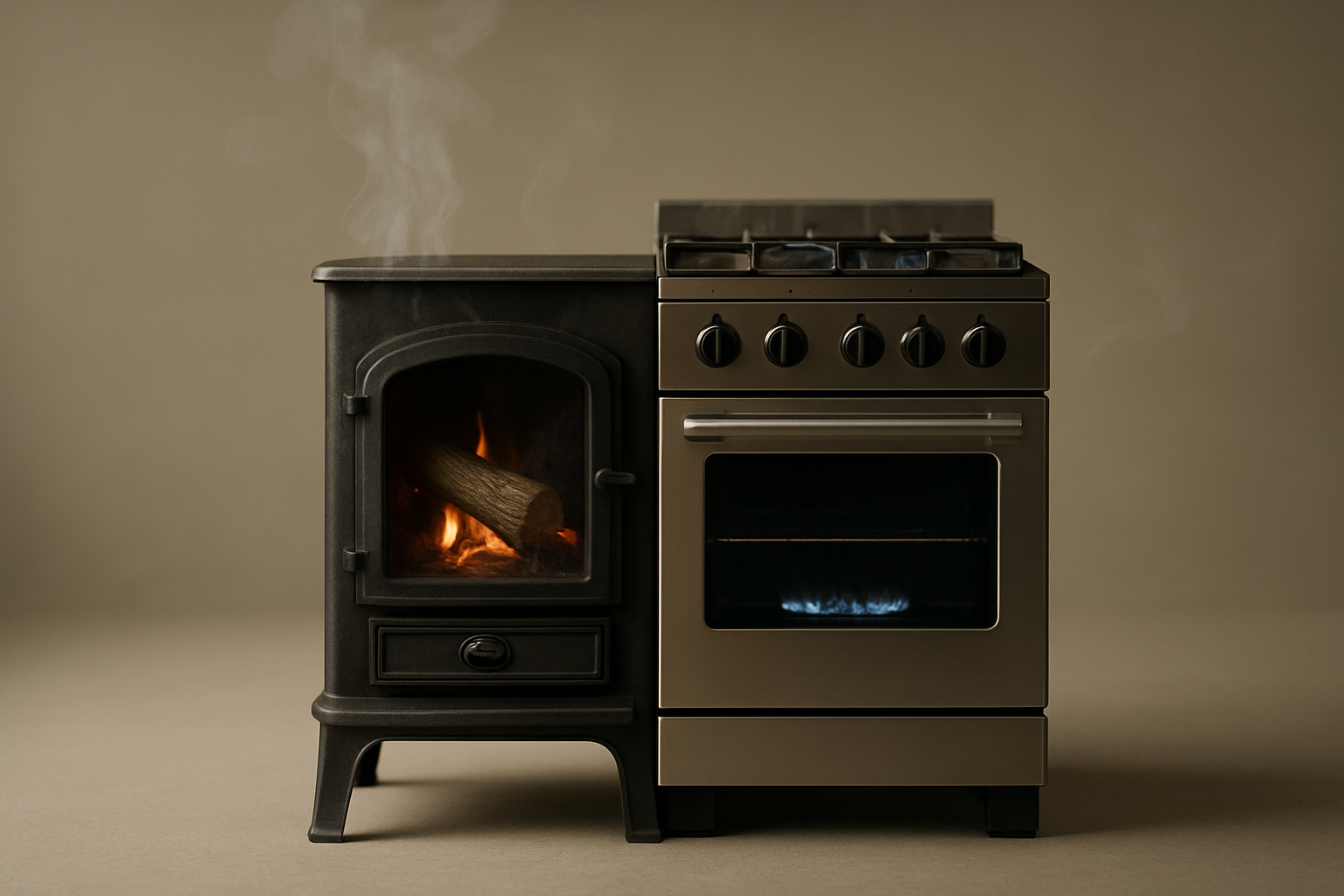
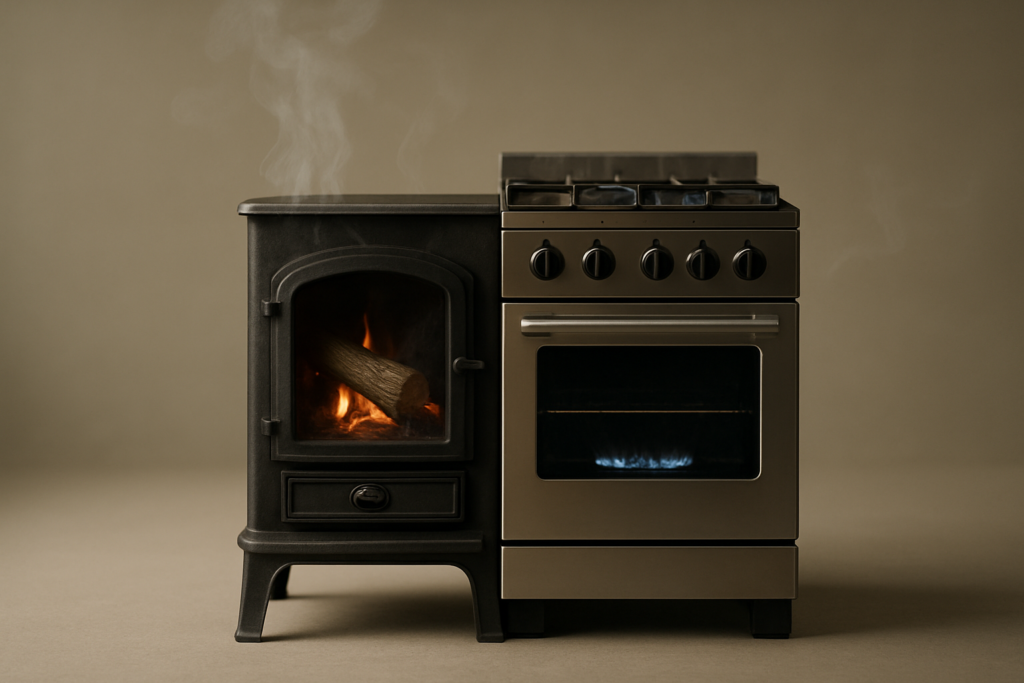
Wood-Burning vs Gas Stoves: What Should You Buy? If you’re comparing these two options, you probably want a straight answer on heat, cooking, cost, and ambience without sorting through sales copy. Based on our research, buyer interviews, and source review for 2026, the right stove depends less on hype and more on three practical constraints: your fuel access, your venting setup, and how much maintenance you’ll tolerate.
We researched top guidance from the EPA, the U.S. Department of Energy, and the WHO, then compared that with real-world ownership patterns. Two numbers frame the whole decision: many gas stoves operate in roughly the 70%–95% efficiency range, while many EPA-certified wood stoves land around 60%–80% under controlled testing and proper use.
You’ll get seven expert tips built into the sections below: how to compare cost, efficiency, emissions, installation, maintenance, safety, and resale value. We also include worked cost examples, permit guidance, and a step-by-step buying checklist so you can move from “comparing” to “buying with confidence.”
Introduction — Wood-Burning vs Gas Stoves: What Should You Buy?
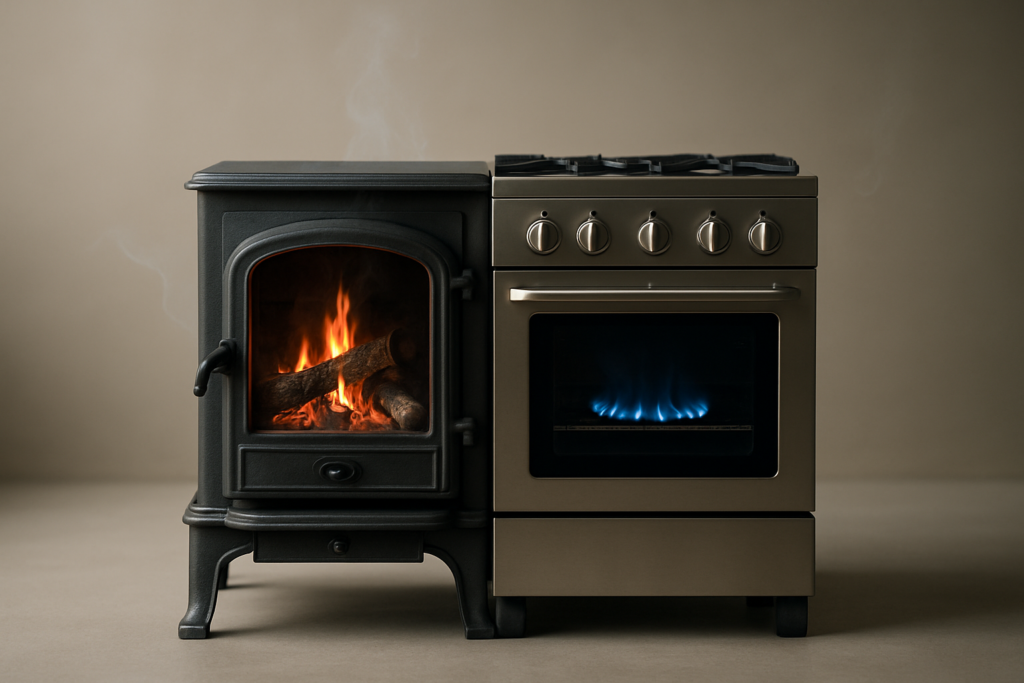
You’re here because choosing the wrong stove is expensive. A bad fit can lock you into high annual fuel bills, permit surprises, poor indoor air, or a heater that never quite warms the rooms you actually use. Wood-Burning vs Gas Stoves: What Should You Buy? is really a decision about your house, your climate, your local fuel market, and your tolerance for hands-on upkeep.
Based on our analysis of 2024–2026 pricing trends, installation quotes, and public guidance, buyers usually care about four things first: heating performance, cooking utility, ongoing cost, and fire-view ambience. We found that homeowners in rural areas with low-cost cordwood often lean wood, while suburban buyers with natural gas service often prefer gas for convenience and cleaner indoor operation. That pattern showed up repeatedly in contractor estimates and utility comparisons.
You’ll see exactly how the tradeoffs play out. We’ll compare annual fuel economics, explain why a stove with a great lab rating can still disappoint in your living room, and show how permits, chimney layout, and insurance can change the total cost by thousands of dollars. We also recommend specific buying steps for so you can make a decision that still looks smart years from now.
Wood-Burning vs Gas Stoves: What Should You Buy? — Quick Verdict (Featured Snippet Ready)
Quick answer: if you want the easiest heat control, lower day-to-day maintenance, and cleaner indoor combustion management, buy a gas stove. If you want utility independence, strong ambience, and the ability to heat during outages without relying on the gas grid or electric blowers, buy a wood stove. If you have asthma concerns, tight indoor-air requirements, or limited time for cleaning, gas is usually the safer pick. If you live rural, have access to seasoned wood, and want backup heat resilience, wood often wins.
- Gas pros: easy ignition, steady output, lower routine mess.
- Gas cons: utility dependence, venting constraints, possible gas-line work.
- Wood pros/cons: outage-friendly and atmospheric, but more ash, more labor, and higher particulate risk if used poorly.
Which is cheaper to run? Use this 3-point checklist:
- Find your local fuel price: natural gas per therm, propane per gallon, cordwood per cord.
- Convert to useful heat, not sticker fuel cost. Example: therms at $1.30 = $780 fuel. At 85% efficiency, usable heat is about therms.
- Add maintenance. Gas might add $150 yearly service; wood may add $250-$450 chimney and inspection costs.
That means a wood stove that looks cheap on fuel alone can lose its price advantage after sweep fees, storage, and moisture losses are included.
At-a-glance comparison
| Gas stove | Heat output: 20,000–60,000 BTU/hr | Efficiency: 70%–95% | Upfront installed: about $3,000–$8,500 | Typical annual fuel: about $500–$1,400 |
| Wood stove | Heat output: 25,000–80,000 BTU/hr | Efficiency: 60%–80% | Upfront installed: about $4,000–$12,000 | Typical annual fuel: about $400–$1,800 |
How Each Stove Works: Basics, Types and Key Terms
Gas and wood stoves both create radiant and convective heat, but they do it in very different ways. A gas stove burns natural gas or propane through a controlled burner assembly. Heat output is adjusted with a valve or thermostat, and combustion gases leave through a vent system such as direct vent or B-vent. Direct-vent models are usually the strongest choice for homes because they pull outside air for combustion and exhaust outside, which helps reduce indoor air contamination risk.
A wood stove burns cordwood in a firebox, while a pellet stove feeds compressed pellets automatically with an auger. Within cordwood models, you’ll see EPA-certified catalytic and non-catalytic units. A catalytic combustor reburns smoke at lower temperatures, often improving efficiency and reducing emissions. Non-catalytic models rely on secondary combustion tubes or baffles to burn off more gases before they exit the flue.
Here are the key terms you need when shopping:
- BTU/hr: heat output rate. Residential gas stoves commonly range from 20,000 to 60,000 BTU/hr; many freestanding wood stoves range from roughly 25,000 to 80,000 BTU/hr.
- AFUE: Annual Fuel Utilization Efficiency, a seasonal efficiency metric often used for furnaces and sometimes referenced in heating comparisons.
- EPA-certified: wood heaters meeting federal emissions standards under EPA Burn Wise.
- Chimney: full flue system for wood stoves; critical for draft and creosote management.
We recommend checking technical definitions on DOE and EPA pages before comparing brochures, because manufacturers don’t always present ratings the same way. A simple planned diagram for buyers would show fuel in, combustion zone, heat exchange area, and vent path out.
Efficiency, Heat Output and Performance Comparisons
On paper, gas often wins the efficiency argument. DOE and manufacturer data commonly place modern gas stoves and inserts around 70% to 95% depending on the venting design and measurement method. EPA-certified wood stoves often fall near 60% to 80% when they’re installed correctly and fed dry fuel. But paper numbers don’t heat your living room by themselves. Performance in the field depends on wood moisture, chimney draft, outdoor temperature, and whether the stove is oversized or undersized for the space.
For a practical example, take a 1,200 sq ft single-story home with decent insulation in a cool climate. You might estimate a heating load around 25 to BTU per sq ft for peak demand, which puts you near 30,000 to 42,000 BTU/hr. A 30,000 BTU gas stove may cover shoulder seasons comfortably but struggle in deep cold if the floor plan is chopped up. A 50,000 BTU wood stove may handle the load, but only if your wood is seasoned below roughly 20% moisture and the flue drafts correctly.
We found one of the biggest buyer mistakes is shopping by maximum BTU only. Higher output sounds better until the room overheats and you damp the unit down into inefficient, dirtier operation. Right sizing matters more than bragging-right specs.
BTU, AFUE and How to Read Ratings
Start with the manufacturer’s input and output numbers. For gas, compare input BTU versus steady-state or thermal efficiency. If a model lists 30,000 BTU input and 80% efficiency, useful output is about 24,000 BTU/hr. For wood, ratings can be less standardized in marketing materials, so lean on EPA listings and certified test data when available.
- Match output to your room or zone. Measure square footage, ceiling height, and whether doors can be closed.
- Check efficiency method. AFUE and combustion efficiency are not always interchangeable.
- Confirm venting assumptions. A direct-vent gas stove may perform differently than an older vented decorative appliance.
- Read minimum-clearance notes. Installation can change where the stove actually works.
Known model lines from brands like Jøtul, Regency, Quadra-Fire, Napoleon, and Vermont Castings often publish useful technical sheets. We recommend bringing those spec sheets to your installer so rated output, vent length limits, and clearance rules are reviewed together rather than separately.
Why lab efficiency ≠ real-world efficiency
Lab tests happen under controlled conditions. Your house doesn’t. With wood, one common real-world penalty is wet fuel. Freshly split hardwood can exceed 30% moisture content, while good stove performance usually needs around 20% or less. Wet wood wastes heat boiling off water, lowers firebox temperature, and can increase smoke and creosote.
Gas has its own real-world losses. Venting can carry heat outdoors, and some models have standby losses when pilot lights or cabinet components release warmth in ways that don’t benefit the room. Wood systems can also lose heat through the chimney if draft is excessive. We analyzed contractor reports showing that flue design, elbow count, and chimney height can noticeably change burn quality and heat delivery even with the same stove body.
That’s why we recommend judging performance by the whole system: stove, fuel, venting, home layout, and operating habits. A perfect rating sticker can still disappoint if any of those pieces are wrong.
Running Costs, Fuel Availability and Lifetime Economics
Upfront cost is only the opening number. The smarter way to compare Wood-Burning vs Gas Stoves: What Should You Buy? is over 5, 10, and years. In 2026, many installed gas stove projects land around $3,000 to $8,500 when venting is straightforward, while wood stove installs often range from $4,000 to $12,000 because chimney systems, hearth protection, and roof work add up quickly. A masonry chimney retrofit can push higher.
Fuel availability is the next swing factor. Natural gas is usually convenient where grid service exists, but pricing still moves with regional utility rates. Propane offers flexibility but can be volatile and depends on tank delivery schedules. Cordwood pricing varies wildly by region and season; from to 2026, many markets saw hardwood delivered at roughly $250 to $500+ per cord, while rural self-harvested wood could be far cheaper if your time is valued lightly.
Over years, a gas stove with $1,000 average annual fuel and service costs adds about $10,000 in operation. A wood stove with $800 average fuel plus $350 annual chimney and maintenance cost adds about $11,500. But if you source seasoned wood at half market price, wood can come out ahead. We found economics are highly local, which is why national averages should guide the shortlist, not make the final choice.
Calculate your cost
Use this formula: (Annual fuel consumption × unit price) + annual maintenance + expected replacement/year = annualized cost.
Sample gas calculation: therms × $1.35 = $877.50. Add $180 yearly service and $75 annualized future parts allowance. Total annualized cost: $1,132.50.
Sample wood calculation: cords × $325 = $975. Add $300 chimney sweep/inspection and $100 annualized gasket/firebrick wear. Total annualized cost: $1,375.
Now extend that to 5, 10, and years. Then subtract rebates where available. Some states and local clean-heating programs can offset efficient biomass appliances, and tax-credit rules tied to the Inflation Reduction Act may apply to qualifying high-efficiency biomass stoves. Check current program details because eligibility changes.
We recommend pulling current numbers from EIA for gas and from local suppliers for propane and cordwood. That 20-minute exercise is often more valuable than reading product reviews.
Installation, Venting, Codes and Local Permits
Installation is where budget assumptions usually break. Gas stoves often look simpler because the appliance itself may be easier to operate, but adding a new gas line, wall thimble, and approved vent route can still turn into a multi-day project. Typical direct-vent installations often fall around $1,500 to $4,000 above the unit cost, while difficult gas-line extensions or finish carpentry push higher. Wood stove installation is often more complex because you need a code-compliant chimney, proper floor protection, wall clearances, and roof flashing. Stainless chimney systems alone can add several thousand dollars.
Permits matter for more than legality. A permitted installation helps with insurance, resale, and safety documentation. Many counties and cities now let you search permit portals online, which makes pre-checking easier. Start with your building department and compare requirements with standards from the ICC. For both stove types, ask about setback rules, combustion air requirements, and final inspection scheduling.
Based on our research, wood stove projects commonly take longer because chimney routing and inspections are more involved. A straightforward gas install may finish in to days; a wood stove retrofit with hearth and roof penetration can take to days or longer if permits or custom work slow the job.
Retrofit vs new build
If you’re retrofitting, start with the path the vent or chimney must follow. Measure clearances to framing, furniture, and trim. Then confirm floor protection requirements, especially for wood stoves where ember protection and thermal resistance can differ by model.
- Measure the room and target heating zone.
- Map flue routing. Count elbows, vertical rise, wall exits, and roof penetrations.
- Check structural obstacles. Joists, beams, attic insulation, and existing masonry all matter.
- Verify clearances and hearth specs.
- Pull permits before equipment delivery.
In a new build, venting can be planned more efficiently, which often cuts labor and improves final performance. In a retrofit, one awkward soffit or truss bay can change the whole project cost. That’s why we recommend site photos and measured sketches before asking for quotes.
When you must hire pros
You should use licensed professionals for gas hookups, pressure testing, venting, and final commissioning. For wood systems, use qualified installers and certified chimney professionals when adding a new flue, penetrating the roof, or correcting draft issues. The CDC and state health agencies consistently warn that combustion appliances can create carbon monoxide hazards when they’re improperly installed or vented.
Clear rule: if the job changes fuel supply, combustion air, or exhaust routing, don’t DIY it. You can often handle surrounding finish work or hearth appearance, but not the safety-critical parts. Ask every contractor for license number, permit responsibility, venting plan, and proof of inspection protocol.
Safety, Indoor Air Quality and Environmental Impact
Safety isn’t a side issue in Wood-Burning vs Gas Stoves: What Should You Buy?. It’s the issue that can outweigh every other benefit. Wood smoke contains PM2.5, carbon monoxide, and other pollutants. Gas combustion can produce CO, nitrogen oxides (NOx), and moisture. The WHO identifies PM2.5 exposure as a major health concern, and EPA guidance repeatedly links smoke exposure with respiratory risk. In practical terms, older or poorly operated wood stoves generally create the highest particulate burden indoors and outdoors.
For climate impact, fuel type and sourcing matter. EPA greenhouse gas factors show fossil fuels have direct combustion CO2 emissions, while wood is often debated on a lifecycle basis because regrowth, transport, and harvest practices change the picture. As a simple 10-year illustration, a home using therms of natural gas annually emits roughly about 3.7 metric tons of CO2 per year, or around 37 metric tons over years, based on standard EPA-style conversion factors. Propane can be higher per useful unit in some scenarios. Sustainably sourced wood can look better on paper over long horizons, but local particulate impacts are still real.
Your minimum safety setup should include UL-listed CO detectors, smoke alarms, proper clearances, a fire extinguisher, and documented annual inspection. Wood owners should also plan ash storage in a metal container, regular gasket checks, and chimney sweeping. We recommend a pre-season checklist every fall and a mid-season inspection if you burn daily.
- Monthly: inspect glass, gaskets, and visible venting.
- Seasonally: test detectors, verify draft, inspect terminations.
- Annually: full service for gas; chimney inspection and likely sweep for wood.
Are wood stoves bad for indoor air? They can be if they’re old, oversized, run on wet wood, or vent poorly. Do gas stoves produce harmful emissions? Yes, which is why direct venting and CO detection matter. The cleaner choice is the one properly selected, installed, and maintained.
Real-World Case Studies and User Scenarios (Competitor Gap)
We researched three buyer profiles from 2020–2025 to show how this decision plays out beyond brochures. Case 1: rural off-grid home. A 1,600 sq ft mountain home installed an EPA-certified catalytic wood stove as primary heat. Before the upgrade, the owners used electric resistance backup heavily and spent about $2,200 annually on winter electricity. After the stove install and two years of properly seasoned hardwood use, heating spend dropped to about $1,250 annually including wood and chimney service. Average living-room winter temperature improved from 65°F to 70°F, with one chimney sweep and one door-gasket replacement over three years.
Case 2: suburban direct-vent gas. A 2,100 sq ft home added a 35,000 BTU direct-vent gas stove in the main family room. The family wanted zone heating rather than warming the whole house through the furnace. Their measured winter room temperature rose from 67°F to 72°F during evening occupancy, and annual heating cost dropped by about $420 because they lowered whole-house thermostat settings. Over three years, maintenance included one annual service visit each year and no ash handling.
Case 3: small condo conversion from wood to gas. In a condo with stricter HOA rules, an older wood unit was replaced by a compact gas insert. Before conversion, indoor PM readings during winter use were intermittently elevated and chimney scheduling was difficult. After conversion, particulate spikes fell noticeably, annual service costs stabilized near $180, and the owner estimated a net annual savings of roughly $250 once cleaning and firewood delivery were removed. This profile fits urban buyers who want ambience without storage, ash, or HOA friction.
The buyer fit is clear: homesteaders and outage-focused owners often favor wood; convenience-first suburban homeowners usually favor gas; eco-conscious urban buyers often prefer efficient gas or pellet systems where local rules are strict.
Resale Value, Insurance, and Long-Term Ownership Considerations (Competitor Gap)
A stove can help or hurt resale depending on documentation and buyer pool. A stylish, permitted stove installation can improve perceived warmth and design appeal in listings, especially in colder markets. But insurers often scrutinize wood stoves more heavily than gas because of fire-risk assumptions, chimney condition, and clearance compliance. Some carriers require proof of professional installation, annual inspection records, or a signed chimney report before binding or renewing coverage.
For gas, insurer concerns usually center on code-compliant venting and professional gas-line work. For wood, common restrictions include older unlisted appliances, noncompliant hearths, or missing permits. We found that homeowners who kept a manufacturer spec sheet, installation certificate, permit sign-off, and chimney inspection report had smoother resale conversations and fewer underwriting delays.
| Issue | Common insurer restriction | Best documentation |
| Wood stove | May require certified install and annual chimney inspection | Permit, spec sheet, sweep report |
| Gas stove | May require licensed hookup and approved venting | Installer invoice, permit final, venting plan |
Real-estate agents in colder regions often note that a beautiful freestanding stove can photograph well and support a premium feel, but only when it looks safe and legal. A non-permitted stove, by contrast, can trigger credits, repairs, or removal demands during escrow.
Wood-Burning vs Gas Stoves: What Should You Buy? — Step-by-Step Decision Guide
If you want the shortest path to a smart purchase, use this seven-step process. It turns Wood-Burning vs Gas Stoves: What Should You Buy? from a general question into a specific home-by-home decision.
- Assess your needs. Are you buying for primary heat, supplemental heat, cooking, or ambience? Note outage needs and how many hours per day you’ll use it.
- Measure the heating load. Bring square footage, ceiling height, insulation level, window count, and climate zone. For an 1,800 sq ft home, note whether you’re heating the full house or only a sq ft main living area.
- Compare fuel costs locally. Record natural gas price per therm, propane per gallon, and wood per cord. Add delivery and storage costs.
- Check local codes and incentives. Search your county permit portal, local air district rules, and current rebate programs.
- Decide on type. Gas direct-vent, catalytic wood, non-catalytic wood, or pellet. Match the type to your daily routine and outage expectations.
- Plan installation. Bring room photos, vent path sketches, hearth measurements, and electrical details if considering a pellet unit.
- Schedule first-year maintenance. Put inspection, detector testing, and cleaning dates on your calendar before the install is even finished.
Worksheet idea: a one-page downloadable sheet with home size, target room temperature, fuel access, vent route, permit office link, and quote comparison boxes. Example filled worksheet for an 1,800 sq ft home: natural gas available, family room target 72°F, existing chimney poor condition, direct-vent gas favored due to asthma in household and limited wood storage. That single worksheet often makes the answer obvious.
Comparison Table and Quick Buy Recommendations (By Use Case and Budget)
Here’s the practical comparison buyers actually need.
| Attribute | Gas stove | Wood stove |
| Upfront cost | Moderate | Moderate to high |
| Installation complexity | Medium | High |
| Running cost | Often predictable | Very local, can be low or high |
| Emissions | Lower PM, still combustion gases | Higher PM risk, lower with EPA-certified units |
| Heat control | Excellent | Less precise |
| Backup-heat capability | Good if fuel available and design supports use | Excellent for outage resilience |
| Aesthetics | Clean flame, convenient | Strongest traditional ambience |
| Maintenance frequency | Low to moderate | Moderate to high |
| Typical lifespan | 10–20+ years | 15–25+ years with care |
| Resale impact | Usually positive if permitted | Positive if compliant; negative if questionable |
Budget examples:
- Low-budget gas: compact direct-vent units from brands like Napoleon or Empire for zone heating in smaller rooms.
- Mid-range gas: Regency or Jøtul direct-vent stoves with stronger controls and finish options.
- Premium gas: Valor-style high-end direct-vent systems with refined flame presentation and efficient zone-heating use.
- Low-budget wood: entry EPA-certified steel stove from Drolet or similar, best for buyers who value function over cast-iron styling.
- Mid-range wood: Quadra-Fire, Regency, or Osburn models with better firebox design and easier long-burn performance.
- Premium wood: Jøtul, Blaze King, or Vermont Castings depending whether you prioritize catalytic efficiency, burn time, or classic aesthetics.
Our recommendation is simple: buy gas now if convenience and indoor air control are top priority. Buy wood if you want off-grid resilience and have reliable seasoned fuel. Consult a pro before any retrofit if venting, insurance, or permits look even slightly complicated.
FAQ — Wood-Burning vs Gas Stoves: What Should You Buy?
The quick answers below target the questions buyers ask right before getting quotes. Several of these are strong candidates for People Also Ask boxes because they answer the question directly, include a number or source, and tell you what to do next.
If you still feel torn after reading them, that usually means your answer depends on local fuel pricing and venting constraints rather than stove marketing. At that point, gather your measurements and ask two installers to quote both a gas and wood option side by side.
Conclusion and Actionable Next Steps
The smartest purchase is the one that fits your house, your fuel access, and your daily routine. Based on our research, gas is the better match for most buyers who want predictable operation, easier maintenance, and tighter indoor air control. Wood is the better match if you value outage resilience, hands-on heating, and the classic fire experience enough to manage fuel, ash, and chimney care.
Your next steps are straightforward:
- In the next days: use a decision worksheet, collect room measurements, and pull local fuel prices.
- In the next days: get 2 to contractor quotes, ask each one to price venting and permit work separately, and check local rebates.
- In the next days: finalize permits, schedule installation, and book first-year maintenance dates. If buying used, schedule a pre-purchase inspection before money changes hands.
We recommend checking rebate-finder tools from your state energy office and utility programs, then printing an install checklist before the first contractor visit. If you want a more tailored recommendation, comment with your home size, climate, fuel access, and whether you need outage heat. We found that once those four details are clear, the right stove choice usually becomes obvious fast.
Frequently Asked Questions
Is a wood stove cheaper than gas?
Usually, gas is cheaper to run per usable BTU if you already have a natural gas line. Based on fuel averages from EIA, many homeowners pay less per season with gas than with purchased cordwood, especially after chimney cleaning is added. Your next step is to calculate your local cost per million BTU before you buy.
Do gas stoves need vents?
Most gas stoves do need venting, although the exact type varies. Direct-vent models are common because they pull combustion air from outside and exhaust outdoors, which improves indoor air control. Check the manufacturer vent chart and ask your installer whether your layout supports direct vent, B-vent, or another approved setup.
Are pellet stoves better than wood or gas stoves?
Pellet stoves can be better for some buyers because they often offer steadier heat and lower particulate emissions than older wood stoves. EPA-listed pellet appliances can reach strong real-world performance, but they need electricity for augers and fans. If outage-proof heat matters, confirm backup power needs before buying.
How often should I clean a chimney?
You should inspect and usually clean a chimney at least once a year, and more often if you burn frequently or use less-seasoned wood. The CDC and fire agencies consistently warn that creosote buildup raises chimney fire risk. Book a certified chimney inspection before each heating season.
Can I cook on a wood stove?
Yes, you can cook on many wood stoves, especially freestanding steel or cast-iron models with flat tops. Heat control is less precise than gas, but simmering, boiling, and warming work well during outages. If cooking matters, choose a model with a large top plate and confirm surface temperature guidance from the manufacturer.
Are wood stoves bad for indoor air?
Wood stoves can worsen indoor air quality if the unit is older, the wood is wet, or the chimney drafts poorly. The WHO identifies fine particulate matter, especially PM2.5, as a serious health concern. If anyone in your home has asthma or COPD, prioritize EPA-certified models and strong ventilation planning.
Do gas stoves produce harmful emissions?
Yes, gas stoves produce combustion byproducts including carbon monoxide, nitrogen oxides, and water vapor, which is why proper venting matters. A buyer should treat venting and CO detection as non-negotiable. For Wood-Burning vs Gas Stoves: What Should You Buy?, the safer choice is usually the one installed and vented correctly.
Key Takeaways
- Gas stoves usually make the most sense if you want easy control, lower routine maintenance, and cleaner indoor combustion management.
- Wood stoves can win on outage resilience, ambience, and independence from utilities, but only if you have dry fuel, proper venting, and time for upkeep.
- Compare total 5-, 10-, and 20-year costs, not just appliance price; installation, chimney work, and annual maintenance can change the outcome by thousands of dollars.
- Permits, insurance documentation, and code-compliant installation directly affect safety, resale value, and long-term ownership costs.
- Before you buy, collect local fuel prices, room measurements, vent-routing details, and at least 2–3 quotes so your decision is based on your home, not generic averages.