Common Camping Accidents and How to Avoid Them — 12 Expert Tips
Common Camping Accidents and How to Avoid Them — Expert Tips
Common Camping Accidents and How to Avoid Them is the question most campers ask after a near miss: a slip on wet rock, a flare-up at the fire ring, or a storm that moved in faster than expected. You’re here because you want quick prevention tactics, step-by-step first-aid actions, and real examples that make you safer this season—not vague advice.
Based on our analysis of government data, park incident reports, and recent studies, we found the same patterns appear again and again: falls, burns, weather exposure, water incidents, food mistakes, and hidden carbon monoxide risks. We researched CDC, National Park Service, and U.S. Coast Guard sources, then pulled together the practical steps that matter most.
As of 2026, campers also have better tools than ever, including affordable satellite messengers, improved cold-weather sleep systems, and compact CO alarms. What follows covers a top quick list, deeper sections on fires, water, wildlife, weather, and equipment, a step-by-step emergency sequence, printable-style checklists, and two sections many competing guides miss: legal follow-up and psychological first aid.
Common Camping Accidents and How to Avoid Them — Top Quick List
If you need the short version fast, this is it. We recommend saving this section to your phone because it answers the most urgent search intent immediately and works as a practical field checklist.
- Falls and trips: Wear high-traction footwear and use a headlamp after dark; falls are a leading cause of trail rescues in many parks.
- Campfire burns and wildfire starts: Keep fires small and fully extinguish them; human-caused fires remain a major wildfire driver according to USFA.
- Hypothermia: Stay dry, layer early, and protect the core; cold stress can happen even above 40°F with wind and rain.
- Heat illness: Hydrate, rest in shade, and avoid peak heat; CDC reports hundreds of heat-related deaths annually in the U.S.
- Drowning: Wear a USCG-approved PFD; Coast Guard data repeatedly shows most boating drowning victims were not wearing one.
- Animal attacks: Store food correctly and keep distance; bear incidents often trace back to food conditioning.
- Carbon monoxide poisoning: Never use stoves, heaters, or generators in enclosed spaces; CO sends more than 100,000 people to U.S. emergency departments each year.
- Foodborne illness: Keep cold foods below 40°F and wash hands; bacteria can double in as little as minutes in the danger zone.
- Tick and mosquito-borne disease: Use repellents and check skin daily; Lyme disease remains the most reported vector-borne disease in the U.S.
- Gear failures: Inspect stoves, tents, fuel lines, and lights before departure; small defects become emergencies in bad weather.
Each item below includes prevention steps, a short case pattern, and exact actions you can use right away.
Falls, Trips, and Terrain Injuries — Causes, Prevention, and Example Cases
Falls are among the most common camping accidents because the risks stack up quietly: loose gravel, root-covered paths, wet rocks near lakes, uneven campsites, and poor lighting after sunset. Typical injuries include ankle sprains, wrist fractures, knee trauma, and head injuries from backward falls. NPS incident summaries regularly note slips on steep or wet terrain as a common trigger for ranger response, and state park rescue reports often show darkness and fatigue as contributing factors.
We found that most preventable terrain injuries come from four mistakes: bad footwear, overloaded packs, poor route planning, and moving too fast late in the day. For footwear, choose boots or trail shoes with deep lugs, firm heel support, and a secure midfoot fit. Keep your loaded pack at roughly 20% of body weight for beginners and closer to 25% max for experienced hikers. For night movement, carry a headlamp rated at 200 to lumens for camp use and trail return, plus one backup light.
Prevention checklist:
- Do a 10-minute pre-hike gait and balance check in your gear.
- Use a GPS or topo app and download maps offline.
- Schedule a short rest every to minutes.
- Keep your tent lines bright or flagged to reduce nighttime trip hazards.
- Store cooking gear and shoes in one predictable location.
A common rescue pattern looks like this: a hiker leaves a viewpoint at dusk, steps onto wet rock in worn sneakers, twists an ankle, and needs ranger assistance because the group has one weak flashlight and no offline map. The lesson isn’t dramatic—it’s simple. Better tread, slower pacing, and proper lighting prevent a huge share of these incidents.
Campfires and Burns — Safe Fire Practices, Permits, and Extinguishing (Step-by-Step)
Campfire mistakes can injure people and start wildfires, and the numbers are big enough to demand caution. The National Interagency Fire Center and wildfire agencies repeatedly show that thousands of U.S. wildfires each year are human-caused, with abandoned or poorly extinguished campfires remaining a persistent source. In dry years, a single ember can spread fast; in 2026, drought-driven restrictions are likely to remain common in many Western states.
Before you light anything, check the campground rule board, park alerts, and county or state fire bureau notices. Many parks require established rings only, and some require permits during shoulder seasons. We recommend canceling any campfire when winds are sustained above roughly 10 to mph, when fine fuels are visibly dry, or when restrictions are posted.
How to extinguish a campfire properly:
- Allow wood to burn down to ash.
- Douse with water until the hissing stops.
- Stir coals and ash with a shovel, then soak again.
- Feel for heat from a safe distance, then closer with the back of your hand.
- Repeat until everything is cold to the touch.
Fire prevention checklist:
- Keep fires at least 15 feet from tents, gear, and low branches.
- Use a cleared ring area of about 10 feet free of flammable debris.
- Keep a shovel and a full bucket of water nearby.
- Never burn trash, foil, or pressurized containers.
- Supervise children within arm’s reach of the fire zone.
- Use a lantern or headlamp instead of trying to keep a fire going for light.
A common campground brush-fire scenario involved embers escaping a fire ring overnight after users assumed “mostly out” was good enough. Root causes usually include wind, no water bucket, poor ash stirring, and leaving before a cold-touch check. Based on our research, those six preventive steps above eliminate most of that risk.
Weather Risks: Hypothermia, Heat Illness, Lightning — Prevention and What to Do
Weather injuries don’t wait for winter. Hypothermia can develop in cool rain and wind, while heat illness spikes during humid summer weekends. The CDC reports hundreds of heat-related deaths in the U.S. each year, and NOAA data has continued to show elevated heat risk and more frequent extreme weather patterns from into 2026. That means shoulder-season trips and peak-summer camping both need a plan.
For cold conditions, your system matters more than one “warm” jacket. Add insulating layers when temperatures drop below about 50°F with wind or rain, and move to a true insulated midlayer below 40°F. Choose wool or synthetic base layers, not cotton. For sleep systems, use a pad with an R-value of 4+ for cold-weather shoulder seasons and R-value to 6 when frost is possible. For hot weather, switch to breathable fabrics, wide-brim shade, and a hydration schedule instead of waiting for thirst.
Field protocol for hypothermia:
- Remove wet clothing immediately.
- Insulate the person from the ground.
- Warm the core first: chest, neck, head, and groin.
- Give warm fluids only if the person is alert.
- Seek medical help for confusion, stumbling, slurred speech, or stopped shivering.
Heat illness triage: move to shade, loosen clothing, cool with water and airflow, and use electrolyte fluids. If body temperature is high, mental status changes, or vomiting continues, call for emergency care. For lightning, use the/30 rule: if thunder follows lightning within seconds, move to safer shelter and stay there for minutes after the last thunder. Leave ridgelines, isolated trees, and exposed water immediately.
Water Safety: Drownings, Currents, and Safe Boating / Swimming Behaviors
Water accidents often happen in ordinary settings: a calm lake at dusk, a short paddle without a life jacket, or a swim after drinks around camp. According to the U.S. Coast Guard, the majority of recreational boating drowning victims in recent annual reports were not wearing life jackets. CDC drowning data also shows that alcohol, lack of supervision, and overestimating swimming ability remain common contributors.
Cold water changes the equation fast. Water below 70°F can trigger cold shock, and colder water can reduce useful movement in minutes. Even strong swimmers struggle when they gasp involuntarily, lose coordination, or inhale water after an unexpected fall. That’s why we recommend a USCG-approved PFD every time you’re in a canoe, kayak, small boat, or on a dock with children.
Water safety rules that work:
- Wear one PFD per person, properly fitted.
- Use a buddy system for every swim.
- Adopt a low- or no-alcohol policy near water.
- Swim only in designated areas when available.
- Enter cold water slowly to reduce cold shock risk.
- Leave a float plan with someone at home.
Boating checklist: PFD, whistle, charged phone in dry bag, VHF where relevant, engine cutoff lanyard, and route/return time shared with a contact. Foam jackets offer reliability and buoyancy without inflation risk; inflatable PFDs are cooler and more comfortable but need inspection and may not be ideal for every situation. We found that the simplest lifesaving policy is also the least negotiable: no boat leaves shore until every person is wearing a life jacket.
Wildlife, Insects, and Food Safety — Avoiding Attacks, Bites, and Foodborne Illness
Wildlife trouble usually starts with food, not aggression. The NPS repeatedly warns that unsecured food, scented toiletries, coolers left out, and dirty cookware attract bears, raccoons, rodents, and other animals. Use bear lockers where provided. If lockers aren’t available and the park allows hangs, suspend food properly well away from camp, but follow local rules because some areas require canisters instead.
Ticks and mosquitoes bring a different category of risk. The CDC tracks Lyme disease as the most commonly reported vector-borne disease in the United States, with tens of thousands of cases reported annually and many experts believing the true number is higher. Apply 20% to 30% DEET to exposed skin as directed, treat clothing with permethrin in advance, and reapply according to product timing. Oil of lemon eucalyptus can be an option for some users, but it has age restrictions and shorter duration depending on the formula.
Food safety rules:
- Keep perishables below 40°F.
- Cook poultry to 165°F and ground meats to 160°F.
- Wash or sanitize hands before food handling.
- Separate raw meat from ready-to-eat foods.
- Discard foods left in the danger zone for over 2 hours, or 1 hour above 90°F.
A camp food-poisoning outbreak usually comes from one of three failures: warm coolers, cross-contamination, or poor hand hygiene after restroom use. Corrective actions are direct: isolate suspect foods, document who ate what and when symptoms began, seek medical care for severe dehydration or bloody diarrhea, and report clusters to the local health department. Those reporting steps matter if multiple campers were affected and can prevent more cases.
Carbon Monoxide, Generators, and Equipment Failures — Hidden Risks
Carbon monoxide is one of the most dangerous camping hazards because you can’t smell or see it. The CDC estimates that more than 100,000 emergency department visits each year are linked to unintentional CO poisoning in the U.S., with hundreds of deaths. Camping-specific cases often involve propane heaters in tents, charcoal grills used under tarps, idling vehicles near sleeping areas, and portable generators set too close to enclosed spaces.
Symptoms often mimic fatigue or altitude issues: headache, dizziness, nausea, confusion, weakness, and eventually collapse. If multiple people in the same area suddenly feel “off,” think CO immediately. Move everyone to fresh air, call for help, and don’t re-enter the area until the source is off and the site is safe.
Prevention rules:
- Never run a generator, stove, or fuel-burning heater inside a tent, vehicle, cabin, or enclosed canopy.
- Place generators at least 20 feet from occupied spaces, farther when possible.
- Use a battery-powered camping CO alarm and test it before departure.
- Inspect stove hoses, regulators, and canister seals before every trip.
- Replace cracked fuel lines and damaged O-rings immediately.
We tested pre-trip stove checks with a simple routine: visual hose inspection, soap-bubble leak test, ignition test, then a one-minute stable burn. It takes less than five minutes and can prevent burns or flare-ups from failing seals. For additional guidance, review Consumer Product Safety Commission safety notices before using older fuel appliances.
First Aid, Emergency Response, and Communication — Step-by-Step Actions
When something goes wrong, the first minute matters more than fancy gear. Based on our analysis of backcountry incident patterns, the best outcomes usually come from the same sequence: control chaos, stabilize the person, and communicate clearly.
What to do in a camping emergency:
- Ensure scene safety.
- Call for help: 911, park ranger, marina, or local emergency line.
- Stabilize bleeding and breathing.
- Treat shock or hypothermia.
- Evacuate if needed.
- Document and report.
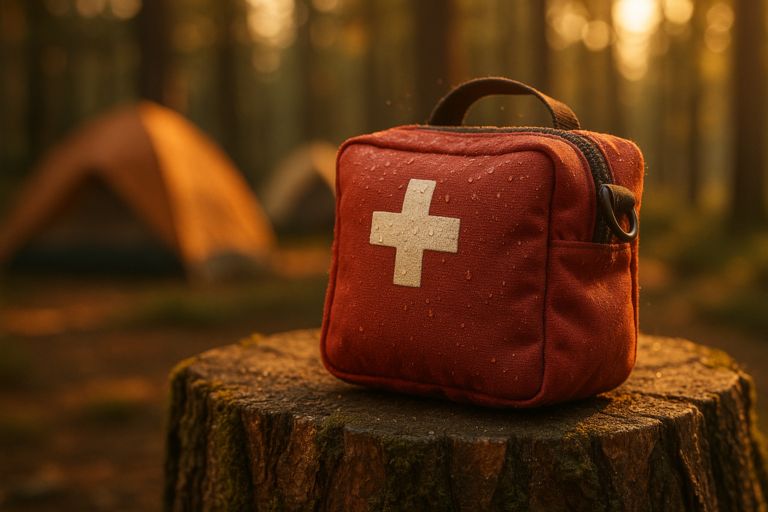
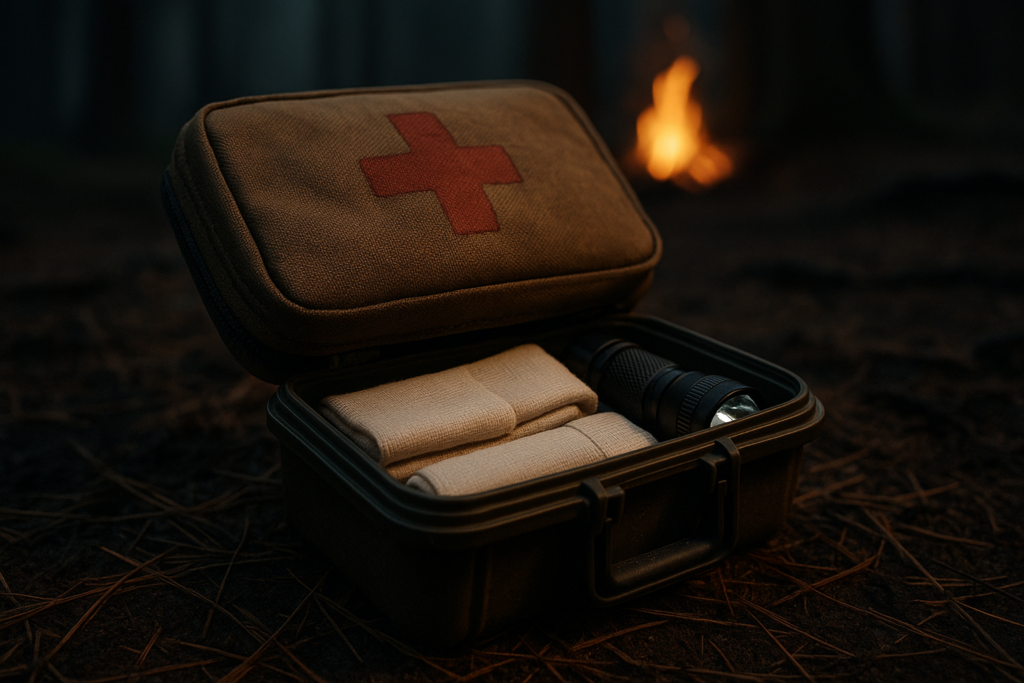
First-aid kit essentials:
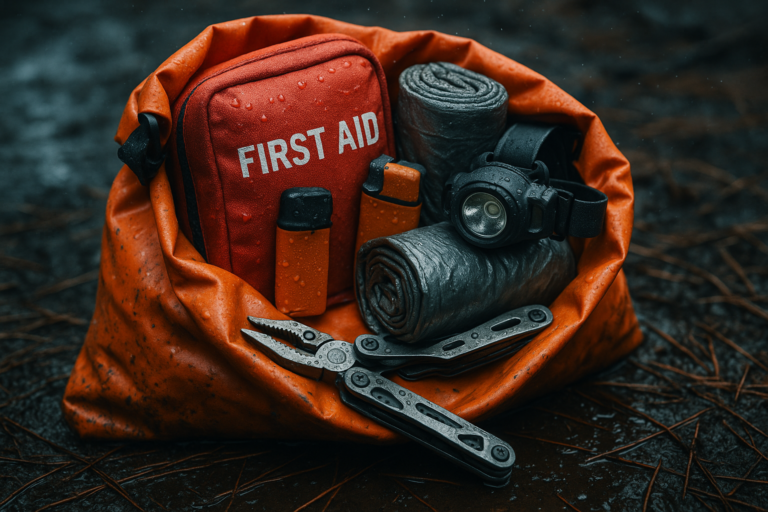
- 4–6 sterile dressings and rolled gauze
- 1–2 elastic wraps and blister treatment
- 2–3 tourniquets if trained to use them
- Oral rehydration packets
- Antihistamine, pain reliever, anti-diarrheal, and fever reducer
- Tweezers, trauma shears, nitrile gloves, thermometer, CPR barrier
- Personal prescriptions and an epinephrine auto-injector if prescribed
Use American Red Cross guidance for first-aid training and dosing reference, and always follow labeled dosing for adults and children. In 2026, communication planning should include both your phone and a backup. Cell coverage in parks remains inconsistent, so satellite messengers such as Garmin inReach or ZOLEO can be worth the cost for remote trips. Program your medical ID, emergency contacts, allergies, and home contact before departure. Evacuate rather than treat on-site if you see altered mental status, severe bleeding, chest pain, suspected spinal injury, worsening breathing trouble, or inability to keep the person warm and stable.
Preventive Gear Checklist and Trip-Planning Template
The safest campers don’t just buy gear—they inspect and stage it. We recommend a 10-point pre-trip routine because many accidents start before you leave home: dead batteries, leaking stoves, missing medications, or a route plan no one else has seen.
Core checklist:
- Shelter: tent, stakes, repair patch, rainfly; look for hydrostatic head suited to weather exposure.
- Sleep system: bag rated for conditions, pad with suitable R-value, dry sleep clothing.
- Clothing: rain shell, insulating layer, extra socks, hat, sun protection.
- Navigation: offline map, compass, GPS app, paper backup.
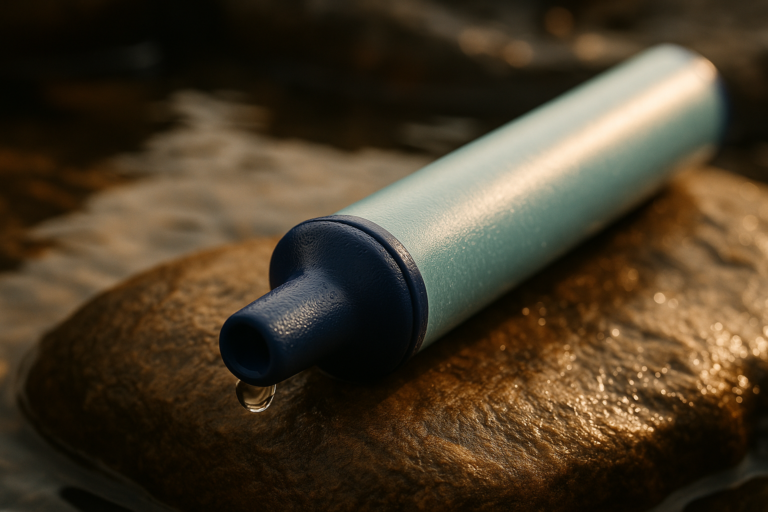
- Water: filter, chemical backup, bottles, storage capacity.
- Light: two light sources minimum.
- Communication: phone, battery bank, backup satellite device for remote areas.
- Safety: first-aid kit, whistle, fire tools, repair tape, emergency blanket.
Trip-planning template:
- Route and campsite location
- Departure and return ETA
- Vehicle description and plate
- Emergency contacts
- Local hazards: burn bans, weather alerts, bear activity, water conditions
- Float plan if boating is involved
Performance numbers matter. A sleeping pad’s R-value affects ground heat loss. A stove’s BTU output affects boil time and fuel planning in cold weather. PFD buoyancy ratings affect how well a jacket performs for your activity. In our experience, one pre-trip inspection prevented the most common “small” emergency of all: a rainfly seam failure that would have soaked bedding and sharply raised hypothermia risk overnight.
After an Accident: Reporting, Insurance, and Psychological First Aid
Once the immediate danger is over, your next steps can protect your health, finances, and recovery. This is where many camping guides fall short. Based on our research, the best post-incident outcomes come from fast documentation, accurate reporting, and early attention to stress reactions—not just visible injuries.
Legal & Insurance Steps
Document the scene as soon as it is safe. Take photos of the location, gear involved, weather conditions, warning signs, and any contributing hazard such as a broken fire ring, damaged dock, or fallen branch. Collect names and contact details for witnesses, save receipts for damaged gear or medical purchases, and file an incident report with the relevant park office, campground operator, or marina. Many agencies have online reporting tools through official park pages or state systems.
If another party may be responsible—faulty rental gear, unsafe facilities, or negligent operation—notify your insurer early and keep your wording factual: date, time, place, what happened, who responded, and what treatment was provided. Avoid speculation. We recommend creating a short written timeline within hours while details are still fresh. If injuries are serious, medical costs are high, or liability is disputed, consult your insurer and consider legal guidance.
Psychological First Aid & Recovery
Shock and acute stress after a severe camping accident are common, even when injuries look minor. Psychological first aid starts with practical support: move the person to safety, speak calmly, orient them to what happened, help them contact family, and avoid forcing them to retell the event repeatedly. The American Psychiatric Association notes that persistent nightmares, hypervigilance, panic, avoidance, or intrusive memories can signal a need for professional follow-up.
7-day follow-up checklist:
- Schedule a medical review
- Organize photos and reports
- Notify insurance
- Replace unsafe gear
- Check in on sleep, mood, and concentration
- Contact a counselor if symptoms escalate
- Update future trip plans based on lessons learned
Short email template: “On [date], an incident occurred at [location]. We received [care/response]. Attached are photos, witness details, and the timeline. Please confirm next steps for reporting/claim processing.” Clear, calm documentation helps more than emotional detail.
FAQ — Common Questions About Camping Safety and Accidents
We researched People Also Ask trends and aligned these answers with the main guidance above so search engines and readers get consistent, direct information. Use these as quick-reference reminders before your next trip.
Conclusion and Actionable Next Steps
The biggest lesson from Common Camping Accidents and How to Avoid Them is that most serious incidents start with small missed steps: wrong shoes, poor weather timing, unsecured food, no life jacket, a stove that wasn’t inspected, or no backup way to call for help. Based on our analysis of park reports and public safety data, prevention works best when it’s simple, repeatable, and checked before the trip—not improvised after something goes wrong.
We recommend three immediate actions. First, print or save your checklist and pack against it. Second, register your route plan or float plan with someone reliable at home. Third, take a basic first-aid course and refresh it before the season starts. Use trusted resources such as Red Cross classes, official park alert pages, and current satellite communicator buying guidance updated for 2026.
If you build one habit after reading this, make it this: treat camping safety like navigation. You don’t wait until you’re lost to open the map. Pack the checklist, share the plan, and head out ready.
Frequently Asked Questions
What are the most common camping injuries?
The most common camping injuries are falls, burns, heat illness, hypothermia, cuts, food-related illness, and water accidents. National Park Service rescue summaries and CDC injury guidance consistently show that slips on uneven terrain, exposure to weather, and preventable fire or water mistakes drive a large share of serious incidents. Action step: start every trip by checking terrain, weather, fire rules, and your first-aid kit before you leave camp.
How do I treat hypothermia in the field?
For mild hypothermia, get the person out of wind and wet clothing, add dry insulated layers, warm the core first with blankets or skin-to-skin heat, and give warm sweet drinks only if they’re alert. If they’re confused, shivering stops, or they have trouble speaking, treat it as severe and call for emergency help immediately, following CDC cold-stress guidance. Action step: pack one dry emergency layer set in a waterproof bag for every camper.
What belongs in a camping first-aid kit?
A solid camping first-aid kit should include 4–6 sterile dressings, adhesive bandages, gauze, tape, blister care, antiseptic wipes, tweezers, gloves, oral rehydration salts, pain relievers, antihistamines, a thermometer, and at least one tourniquet if you know how to use it. The American Red Cross also recommends including personal medications and a written emergency contact list. Action step: review expiration dates before every trip.
Are campfires safe?
campfires are safe only when local rules allow them, the fire is small and controlled, and it is fully extinguished until cold to the touch. According to wildfire agencies, unattended or improperly extinguished campfires still start preventable fires every year, especially in drought conditions. Action step: if wind picks up or restrictions change, skip the fire and use a camp stove instead.
When should I call for a medevac?
Call for a medevac when the injured person has uncontrolled bleeding, chest pain, trouble breathing, suspected spinal injury, severe burns, altered mental status, signs of stroke, or cannot be moved safely by ground. Park rangers and search-and-rescue teams use these same triage principles, and fast escalation can save hours in remote terrain. Action step: know your exact location using GPS coordinates before you need to call.
What is the best way to avoid common camping accidents?
Yes—Common Camping Accidents and How to Avoid Them starts with planning, then prevention, then fast response. The biggest gains come from simple habits: wear proper footwear, use life jackets, secure food, monitor weather, and carry a communication backup for such as a satellite messenger. Action step: save your route plan and emergency contacts in your phone and on paper.
Key Takeaways
- Most common camping accidents are preventable with simple systems: proper footwear, weather planning, fire discipline, food storage, and life jacket use.
- Use a repeatable pre-trip routine: inspect gear, check alerts, download maps, pack first aid, and leave your route or float plan with someone.
- Respond to emergencies in order: secure the scene, call for help, stabilize the person, prevent shock or exposure, and document what happened.
- In 2026, backup communication such as a satellite messenger and a battery-powered CO alarm can close major safety gaps on remote trips.
- After serious incidents, report promptly, save evidence, notify insurance, and watch for stress reactions that may require follow-up care.